Indian Express
Indian Express··3 min read
Indian looking for water in Japan gets invited for lunch by elderly couple: ‘Japanese people are extremely simple’
India often takes pride in the idea of ‘Atithi Devo Bhava’ or treating guests like gods. But in Japan, a similar philosophy called Omotenashi shapes everyday interactions. Rooted in genuine care and thoughtfulness, the concept encourages people to anticipate a guest’s needs and help without expecting anything in return.
An Indian techie recently experienced this firsthand.
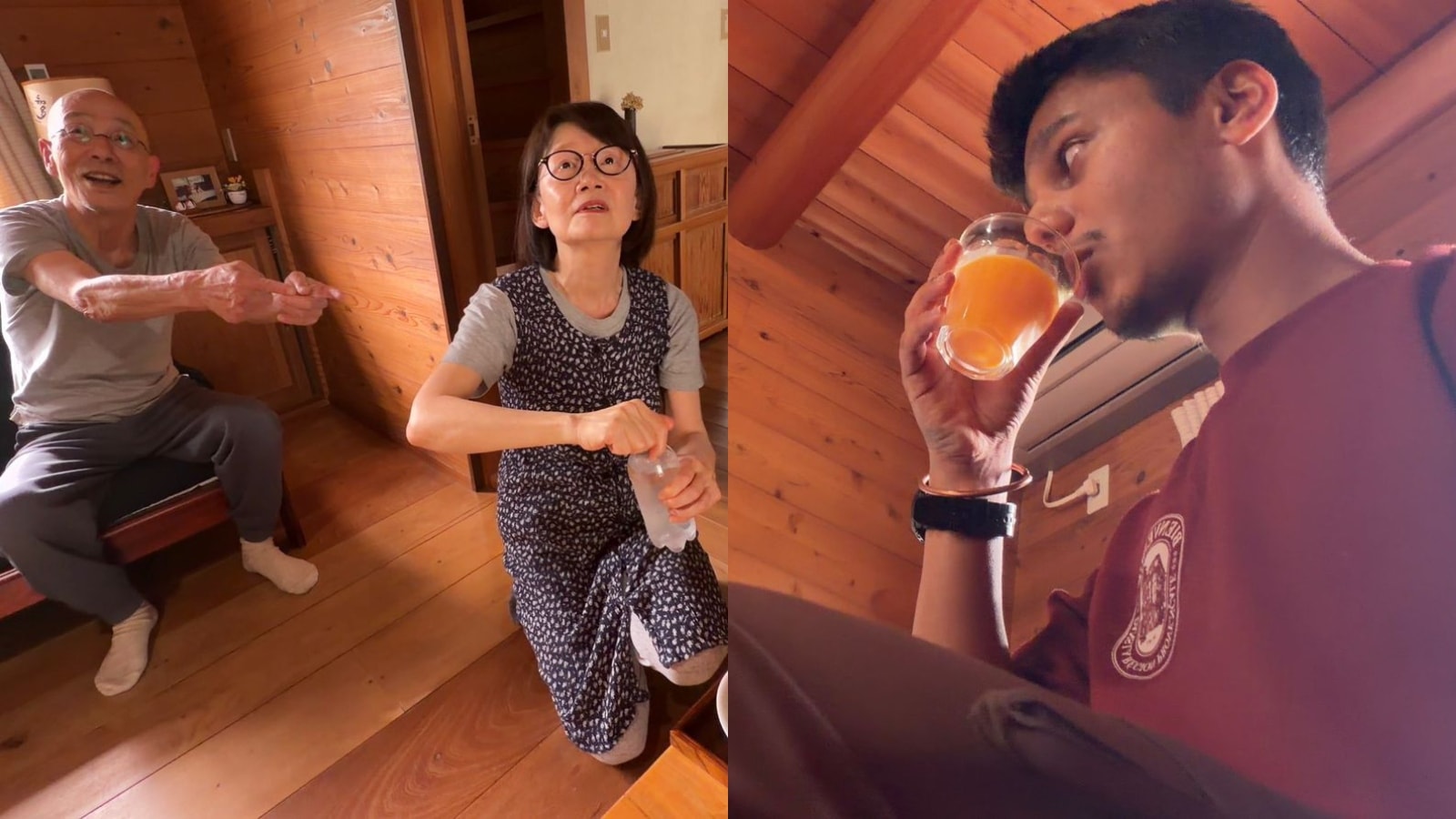
Aditya Parkhi, an IIT Jodhpur graduate who moved to Japan about a month ago for work, has been documenting his life there through YouTube and Instagram. During a hike in a remote Japanese village, what began as a simple search for water turned into an unforgettable encounter with an elderly couple.
In a video shared online, Parkhi said he was hiking in Amami when he ran out of drinking water. Looking for assistance, he approached a nearby home and asked whether there was a café in the area where he could buy some.
“I am here to hike on a mountain in Amami, a village in Japan. While hiking, I ran out of water, so I went to a house and asked this,” he said in the clip.
When Parkhi politely asked an elderly resident if there was a place nearby to get water, the man instead offered him juice. The brief interaction soon turned into a warm conversation.
The couple asked Parkhi about his life, work and how much Japanese he used in his job. He explained that he worked in the IT sector and had studied computer science. The conversation then drifted toward food, with the elderly woman sharing that she enjoyed Indian curry. When Parkhi asked if she had ever tried biryani, she happily replied that she had—and liked it.
Watch the video:
There was also a playful moment during the exchange. The elderly woman remarked that Parkhi had a long nose, prompting laughter from everyone. The man jokingly added that Parkhi was tall and had a big nose, while the woman went on to compliment him, calling him handsome and smart. Parkhi laughed along and agreed.
Story continues below this ad
Before he resumed his hike, the woman reminded him to stay safe and take care. Parkhi thanked the couple for their kindness.
Speaking to indianexpress.com, Parkhi shared more details about the interaction.
“They asked about me, where I live, what I do. They were very curious about the Hindu religion and the gods we worship. We talked about Mount Everest and the Himalayan ranges of India,” he said.
He added, “They forced me to have lunch and since I don’t eat meat, she prepared a herbal veg naan. She also gifted me a few chocolates as omiyage (present).”
Story continues below this ad
Reflecting on his experience in Japan, Parkhi said the kindness he has encountered closely resembles what people often see portrayed in Japanese animation. “They are very similar to what we see in anime. They know nothing else other than treating humans politely/helping them out and they are extremely simple. They mean what they say and don’t just fake things or say things for formality,” he told indianexpress.com.
“Their culture teaches discipline and kindness. They care about you even if they don’t know you and make sure that you are fine and make you feel better.”
When asked how Japanese culture compares with Indian culture, Parkhi said hospitality exists in both countries, particularly in rural communities across India.
“We Indians are hospitable too, especially in the rural side of India. It finally depends on the person you meet. Kindness could be seen in both nations, but maybe Japanese people will never be mean or rude,” he said.
Story continues below this ad
He also reflected on changing social values in India. “Old Indian tradition had great values and practices. I feel, with time, they are getting diluted, and we fail to practice them today. Japan, I feel, is holding tight and being considerate of these small things.”
The chance meeting, which began with a request for water, ended up becoming a memorable lesson in the quiet generosity that Japan’s culture of Omotenashi is known for.
View original source — Indian Express ↗
More from newsGlobal

France 24
PoliticsJun 5, 2026 · 1 min
Nationalism on the rise: Anti-foreign rhetoric gains ground in Japan
France 24

TASS
PoliticsJun 5, 2026 · 1 min
Transnistria opposes Russian troop withdrawal before conflict is resolved — lawmaker
TASS

The Hill
PoliticsJun 5, 2026 · 1 min
Senate Democrats block extension of spy powers to protest Trump’s choice of Pulte for DNI
The Hill