Indian Express
Indian Express··3 min read
Marjane Satrapi: A girl who thought, a girl who resisted
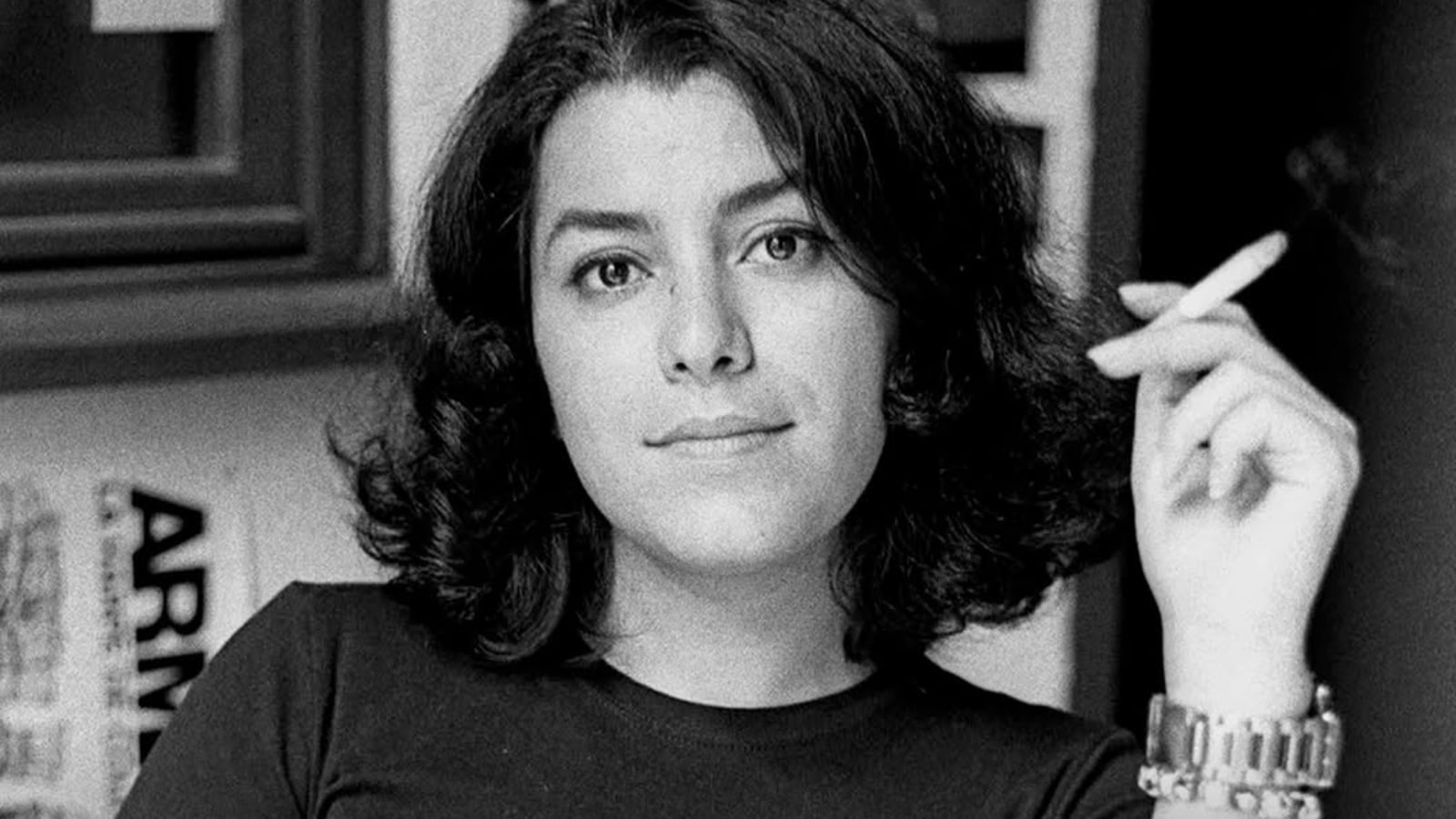
On Thursday, the office of French President Emmanuel Macron announced her death. Satrapi was 56. (Express Photo)
3 min readJun 6, 2026 06:45 AM IST
First published on: Jun 6, 2026 at 06:45 AM IST
Marjane Satrapi, the Iranian-French graphic novelist and filmmaker who passed away on June 3, drew the world’s most dangerous girl in her acclaimed memoir, Persepolis (2000): Someone opinionated and outspoken, who refused to turn a blind eye to injustice and fall in line, even when her life and safety depended on it.
In a world full of greys, she drew herself, from the age of 10, when the 1979 revolution swept Iran, to adulthood, in black ink and negative spaces. Her parents had supported the revolution, only to watch with horror as it gave rise to a repressive regime. Overnight, bilingual and co-ed schools were abolished, veils were compulsory, Western music, denim jackets, nail polish, and even chess were forbidden. In the span of a year, Marji understood that adults were making it up as they went. She catalogued the absurdities with a child’s perplexed eyes. Her uncle, once imprisoned by the Shah, was executed by the new regime. One day at school, a 14-year-old boy, her maid’s son, was handed a plastic key coated in gold paint, ostensibly the key to heaven, before being marched to the war front. A teenage girl was married to a prison guard before her execution, since the law forbade executing the unmarried. Marji heard about her street being bombed, and ran home to find rubble where her Jewish friend’s house was, the bracelet she wore shining through the wreckage.
Marji rebelled in the little ways she could. She wore pink sneakers and nail polish, had her parents smuggle Kim Wilde and Iron Maiden posters, bought cassettes on the black market, and sneaked out of school for burgers. When she defied teachers and refuted state propaganda in class, her parents sent her to Austria. Later, living in France, she created Persepolis to tell the West about the lived reality of Iranians, a complex nation reduced in the Western imagination to “fundamentalism, fanaticism, and terrorism”.
A girl who thinks is a girl who resists, and so repressive regimes have always been wary of them. Marji is not an anomaly or a fictionalised character. There are many more women in her tribe.
Among the most famous is Malala Yousafzai. At 11, she began blogging anonymously about what it meant to be a girl denied education in the Taliban-occupied Swat Valley in Pakistan. She survived the Taliban’s bullets and went on to become the youngest Nobel Laureate. In 2018, at 15, Greta Thunberg sat outside the Swedish parliament every Friday, refusing to attend school until world leaders took the climate crisis seriously. When Donald Trump suggested she work on her “anger management problem,” she changed her Twitter bio to “a teenager working on her anger management problem”. In 2026, she joined the Freedom Flotilla Coalition, sailing towards Gaza to break Israel’s blockade.
Is it any surprise that those in power fear girls who think? The machinery is the same across repressive regimes: Dismiss them, deny them education, and recruit the morality police to monitor them. May the tribe of Marji, Malala and Greta grow.
The writer is deputy copy editor, The Indian Express. [email protected]
View original source — Indian Express ↗
More from newsGlobal

The New York Times
PoliticsJun 6, 2026 · 1 min
Laboring Under Delhi’s Harsh Heat, Workers Must Choose Health or Wages
The New York Times

The New York Times
PoliticsJun 6, 2026 · 1 min
Mali Conflict Escalates as Rebel Alliance Seizes Key Cities
The New York Times

The New York Times
PoliticsJun 6, 2026 · 1 min
A President, His Prime Minister and the Bitter Rift Dividing Senegal
The New York Times