Indian Express
FIFA attempts to ease fan anxiety with in-stadia sensory rooms
5 min readJun 6, 2026 08:00 AM IST
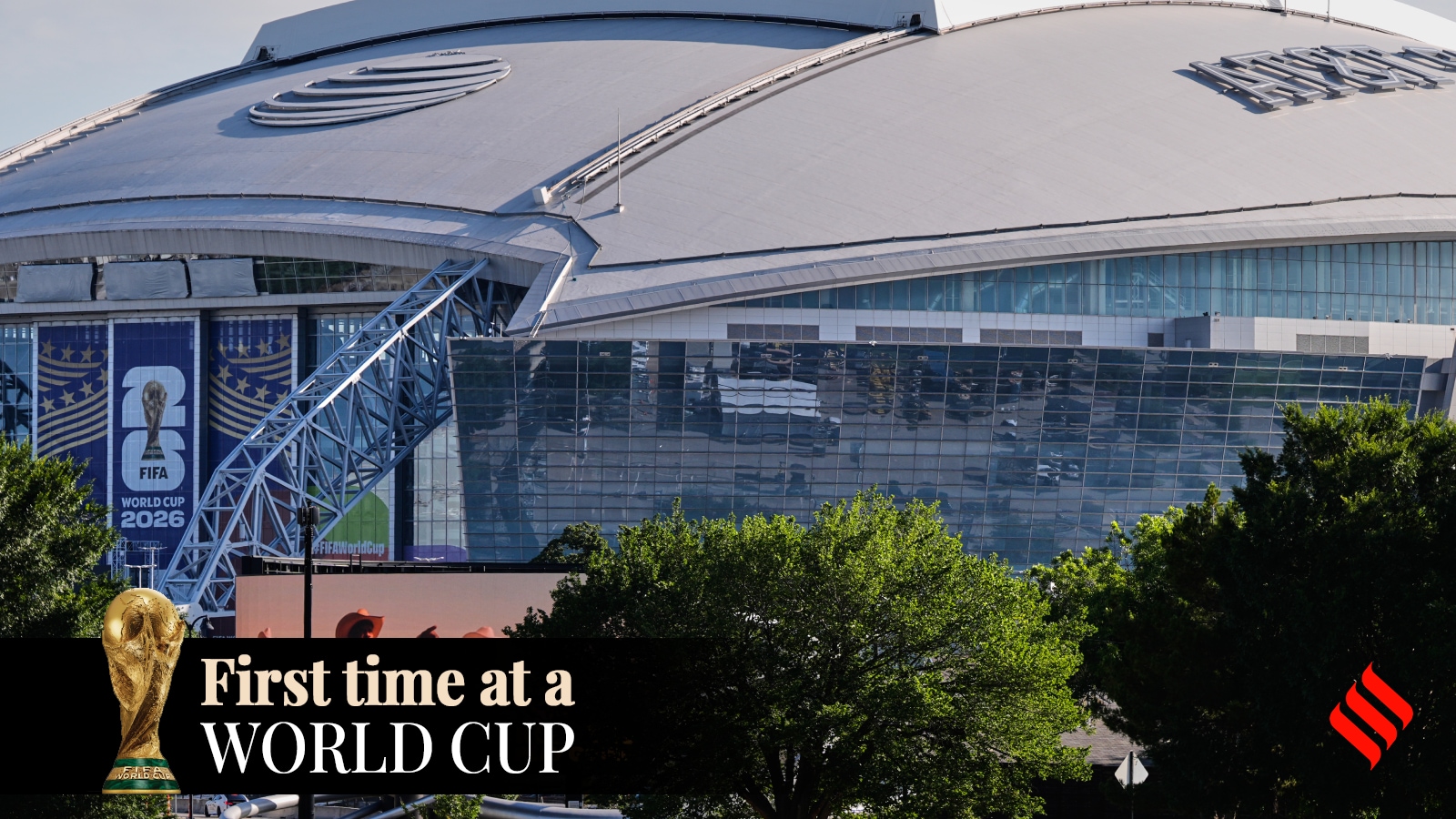
A view shows AT&T Stadium Monday, June 1, 2026, in Arlington, Texas, where nine World Cup matches are scheduled to be played. (AP Photo/Tony Gutierrez)
* A 2024 Nigeria vs South Africa AFCON match resulted in a cardiac arrest of a fan, after a penalty was awarded against Nigeria, which spiked his cortisol levels.
* A study by the New England Journal of Medicine found that in Germany, during the 2006 World Cup they hosted, “the incidence of cardiac emergencies was 2.66 times that during the control period.”
* BBC reported in an Oxford University study that tested saliva from Brazilian fans during their historic 7-1 loss to Germany at the 2014 World Cup that levels of the hormone cortisol rocketed during the home defeat in the semi-final.
It isn’t exactly new that watching football can prove to be dangerous, as it increases blood pressure and strain on the heart. Diehard fans can cop the worst of it, if they are enmeshed too deep into the sentiment of identifying with a team, and go further than that to acutely feel a sense of doom concentrated in 90 minutes (or 120 minutes + penalties at worse), should results not go their way. Sudden negative turnarounds, or even something as basic as a delay in reaching your stadium seat, can also prove stressful.
But this condition tends to be felt even more acutely for those with sensory processing needs. Underlying cardiac conditions, or even diagnosed anxiety sufferers, can find the in-stadia experience debilitating. This forced FIFA to come up with sensory rooms at each of the venues for fans with sensory needs. These rooms seek to mitigate sudden triggers that make the stadium feel like it’s closing in.
Why Sport triggers
While football remains an adrenaline-spike, not just for those playing but also those watching, sometimes the in-stadia cacophony and high intensity can get too much. A piece of research indicates that around 5% to 16.5% of people experience sensory processing needs – hypersensitivity and hyposensitivity. Anything from an edgy emotional investment in a team’s fortunes to sudden distress due to the jumpy crowd, cramped bucket seating, persistent cheers and general noise and constant movement — any of these can lead to a feeling of being overwhelmed.
These sensory rooms are built keeping in view the needs of those who can suffer a sensory overload. Those vulnerable could be individuals with autism, post-traumatic stress disorder, dementia, anxiety and other conditions which can get triggered and worse, go unseen in the whole frenzy by those around. The sensory rooms are designed to provide calming, supportive environments, a quiet oasis within the buzz of the match crowd, as per FIFA.
Story continues below this ad
The Room
Once fans enter the precincts of any of the 16 stadia across Mexico, USA, Canada, every ticket holder will have access to a sensory room. One thing they promise is silence amidst the din.
FIFA notes that these rooms will feature dimmed lighting, reduced noise, comfortable seating, tactile resources and Hisense televisions presenting calming visual content. Think of those screen fillers in waiting rooms – like calm lakes, blooming flowers, gentle streams, mountains, sunrises, starry skies. It chimes into the tagline of “ensuring no one is left on the sidelines.”
Besides the venue itself, sensory rooms are also planned in the Stadium Fan Experience area as part of the expanded footprint, FIFA says, adding that at eight stadia, both options will be available every minute on match days.
The Fidget tools
Also for the first time, clear sensory bags can be accessed at Fan Info points throughout the tournament for fans to use inside the stadiums, to be subsequently returned. These will contain noise-cancelling headphones, fidget tools and visual cue cards so they can communicate without having to speak.
Story continues below this ad
Trained venue staff of FIFA will also assist fans with sensory needs and other accessibility needs. FIFA has introduced live sign language interpretation for all matches, broadcasts for which will be available for fans inside the stadium and watching elsewhere.
Haptic boards, which are interactive tactile surfaces will be made available to the visually challenged fans at select stadia, while all matches will go out with audio-descriptive commentary.
Frightful first look
Simply entering stadia can be stressful for some, given the multiple gates, the heaving crowds, being in a different country and the intimidating facades of the massive arenas. So FIFA has developed “social story” venue guides in multiple languages, allowing fans to prepare for their stadium experience before they arrive, FIFA said. “These tools will enable individuals and families to better understand what to expect on matchday, reducing anxiety and creating a more welcoming and inclusive environment for all supporters,” FIFA noted.
Sport, once a way to relax or chill, has increasingly turned into an anxiety trigger. The World Cup was driven to address fans who could well find the 2026 spectacle overwhelming.
Story continues below this ad
“We believe every fan deserves the opportunity to experience the joy, energy and connection of the FIFA World Cup. The FIFA World Cup 2026 achieving the first-ever KultureCity Sensory Inclusive Tournament recognition is a historic milestone for accessibility in global sports,” Uma Srivastava, Executive Director of KultureCity, partnering FIFA was quoted as saying.
© The Indian Express Pvt Ltd
Shivani Naik is a senior sports journalist and Assistant Editor at The Indian Express. She is widely considered one of the leading voices in Indian Olympic sports journalism, particularly known for her deep expertise in badminton, wrestling, and basketball.
Professional Profile
Role: Assistant Editor and Columnist at The Indian Express.
Specialization: While she covers a variety of sports, she is the primary authority on badminton for the publication. She also writes extensively about tennis, track and field, wrestling, and gymnastics.
Writing Style: Her work is characterized by "technical storytelling"—breaking down the biomechanics, tactics, and psychological grit of athletes. She often provides "long reads" that explore the personal journeys of athletes beyond the podium.
Key Topics & Recent Coverage (Late 2025)
Shivani Naik’s recent articles (as of December 2025) focus on the evolving landscape of Indian sports as athletes prepare for the 2026 Asian Games and beyond:
Indian Badminton's "Hulks": She has recently written about a new generation of Indian shuttlers characterized by power and physicality, such as Ayush Shetty and Sathish Karunakaran, marking a shift from the traditionally finesse-based Indian style.
PV Sindhu’s Resurgence: A significant portion of her late-2025 work tracks PV Sindhu’s tactical shifts under new coaching, focusing on her "sparkle" and technical tweaks to break out of career slumps.
The "Group of Death": In December 2025, she provided detailed tactical previews for Satwiksairaj Rankireddy and Chirag Shetty’s campaign in the BWF World Tour Finals.
Tactical Deep Dives: She frequently explores technical trends, such as the rise of "backhand deception" in modern badminton and the importance of court drift management in international arenas.
Legacy and History: She often revisits the careers of legends like Saina Nehwal and Syed Modi, providing historical context to current Indian successes.
Notable Recent Articles
BWF World Tour Finals: Satwik-Chirag have it all to do to get through proverbial Group of Death. (Dec 2025)
The age of Hulks in Indian badminton is here. (Dec 2025)
Treadmill, Yoganidra and building endurance: The themes that defined the resurgence of Gayatri and Treesa. (Dec 2025)
Ayush Shetty beats Kodai Naraoka: Will 20-year-old be the headline act in 2026? (Nov 2025)
Modern Cinderella tale – featuring An Se-young and a shoe that fits snugly. (Nov 2025)
Other Sports Interests
Beyond the court, Shivani is a passionate follower of South African cricket, sometimes writing emotional columns about her irrational support for the Proteas, which started because of love for Graeme Smith's dour and doughty Test playing style despite being a left-hander, and sustained over curiosity over their heartbreaking habit of losing ICC knockouts.
You can follow her detailed analysis and columns on her official Indian Express profile page. ... Read More
Tags:
FIFA World Cup 2026
View original source — Indian Express ↗
