Indian Express
The night R Praggnanandhaa won Norway Chess on Magnus Carlsen’s home turf
6 min readJun 6, 2026 12:02 PM IST
The meticulously-maintained silence of Oslo’s Deichman Bjørvika, the biggest public library in Norway, was shattered late on Friday evening by spontaneous applause that rang out from the fourth floor and reverberated till the ground floor. For the past two weeks, the Deichman has been even quieter than you would expect a library to be. It’s hosting the Norway Chess tournament after all and silence is non-negotiable. So much so, that at various times, volunteers have had to rush to the children’s playing area in the library to request parents to quieten their boisterous kids.
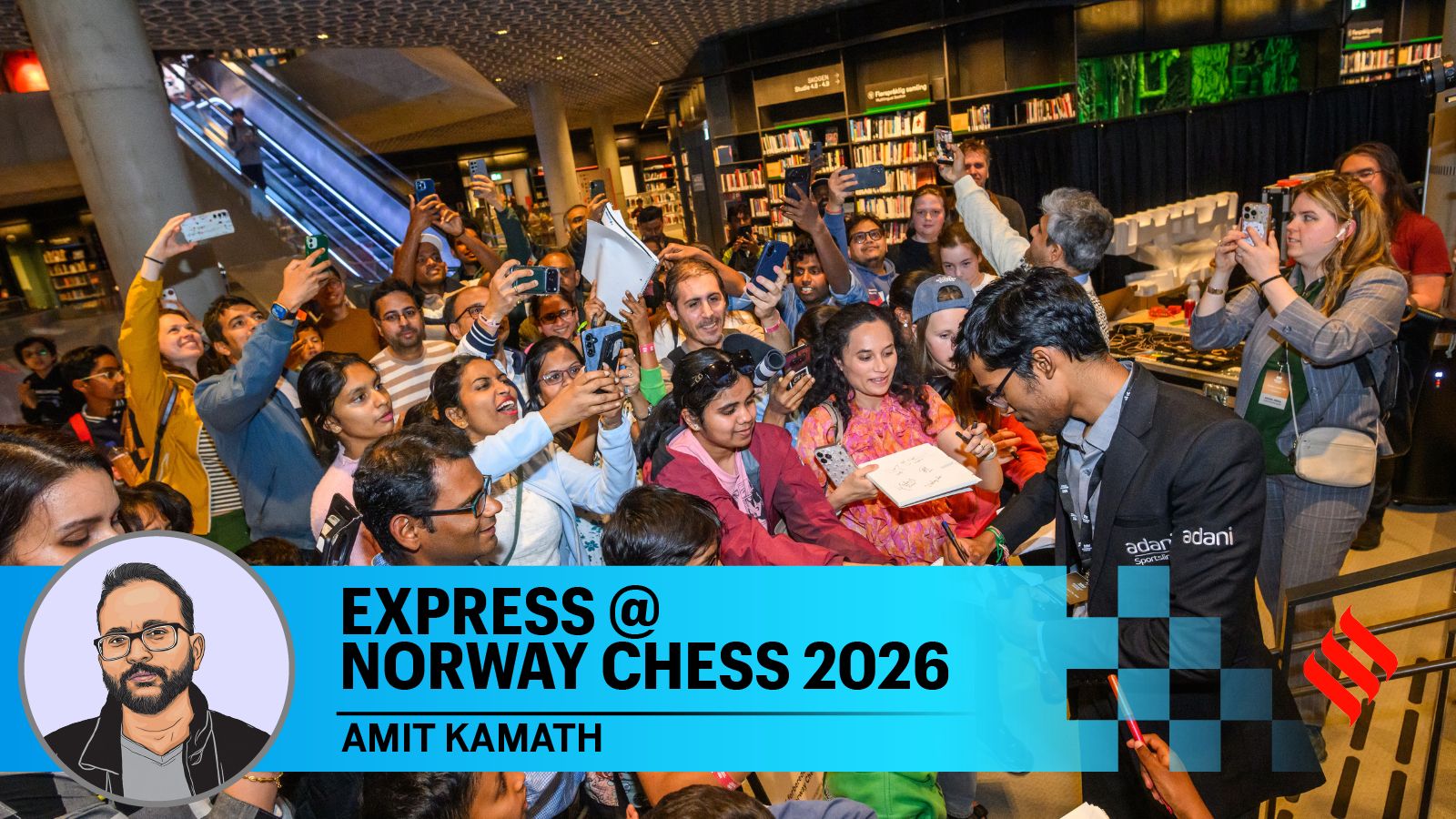
Late on Friday evening, no one was bothering to hush anyone. R Praggnanandhaa, newly-minted Norway Chess champion, had just walked into one of the three broadcast studios and the 50 or so people who were waiting for him to autograph their chess boards broke into a well-deserved applause. The Indian grandmaster had won one of the strongest invitational tournaments on the calendar after a remarkable run in the second half of the 10-round tournament. He won his final four games on the trot, clawing back after being last in the standings. In 14 editions of Norway Chess, Praggnanandhaa became the first Indian to win the event on Magnus Carlsen’s home turf.
It’s a measure of how popular Indian chess players are that even an hour after Praggnanandhaa’s victory over Vincent Keymer in the final round of Norway Chess, fans refused to leave the library without an autograph or a selfie from the Norway Chess champion. Chessboards held aloft, kids, well past their bedtimes, stood patiently for the 20-year-old to sign them. Their parents were on their toes too, cellphone cameras ready to snap away as soon as Pragg posed with their children.
In his media commitments after the win, Praggnanandhaa mentioned more than once that he was ravenously hungry and had not spoken to his family since his phone had been left behind in his hotel room. But despite those twin urges — to talk to his family and to grab a bite — he patiently obliged everyone who had hung back for him.
A couple of days ago, he had been asked by members of the Indian media who are in Oslo about him being a role model at the age of 20.
“I don’t think too much about it. I just do what I do, which is play chess,” Praggnanandhaa had said. “But wherever there is a kid coming to me to get an autograph, I try to do my best. When I started, this is how it was, you look up to someone and start playing the game.”
At some stage in the night, officials announced over the PA system that the library was officially shut. But the crowd wouldn’t relent. The boards for Praggnanandhaa to sign kept coming at him. He occasionally paused only to look at someone’s cellphone for a photo. Over the years, he’s perfected the art of signing a chessboard in the blink of an eye. But even at that pace, he was struggling to make a dent into the wave after wave of requests that kept coming.
Story continues below this ad
For the past two weeks, a steady stream of Indian-origin kids and their parents have made their way to Deichman Bjørvika for similar pursuits. They cornered Praggnanandhaa and the other Indian players with autograph requests as they walked the 50-metre-long zebra crossing that separates the playing hall from their hotel. They’ve beseeched players for selfies at the entrance of the Deichman. Some have handed them handmade greeting cards.
The other Indian players — world champion D Gukesh, Koneru Humpy and Divya Deshmukh, all three of whom had finished at the bottom of the standings in their sections — had long retreated to their hotel rooms when Pragg was navigating his way through the crowd.
Finally, when Praggnanandhaa decided to leave as well, there was a cavalcade of his fans riding with him down two floors on the narrow escalators, shouting congratulations in more than one language. Some kids made futile attempts to ride escalators going the other way just to catch up. Between acknowledging the wishes while going down the escalator, Praggnanandhaa had his mind on chess, not the adulation. He talked shop with his second Vaibhav Suri. His mind was on the bishop a3 that he allowed from his opponent, Keymer.
Both times he got off the escalator, he was stopped again by fans with more requests. Finally, when he got out to pavement and waited for the signal to turn green, he was surrounded by fans again, many of whom spilled over onto the busy street as they clamoured for one final piece of him.
Story continues below this ad
A kid who had been in lockstep with Pragg from the time he left the broadcast studios seized his opportunity at the signal. He wanted to know about the best opening reply to an opponent’s e4. “e5 is the best,” said Pragg with a warm smile.
He might have grown into his position as a role model, but he is still most comfortable talking chess.
(The writer is in Oslo at the invitation of Norway Chess)
Amit Kamath is Assistant Editor at The Indian Express and is based in Mumbai. He primarily writes on chess and Olympic sports, and co-hosts the Game Time podcast, a weekly offering from Express Sports. He also writes a weekly chess column, On The Moves. ... Read More
Tags:
chess
Praggnanandhaa
View original source — Indian Express ↗
More from Sports

ESPN
SportsJun 6, 2026 · 1 min
Wemby rues costly turnover: 'This game was ours'
ESPN
ESPNcricinfo
SportsJun 6, 2026 · 1 min
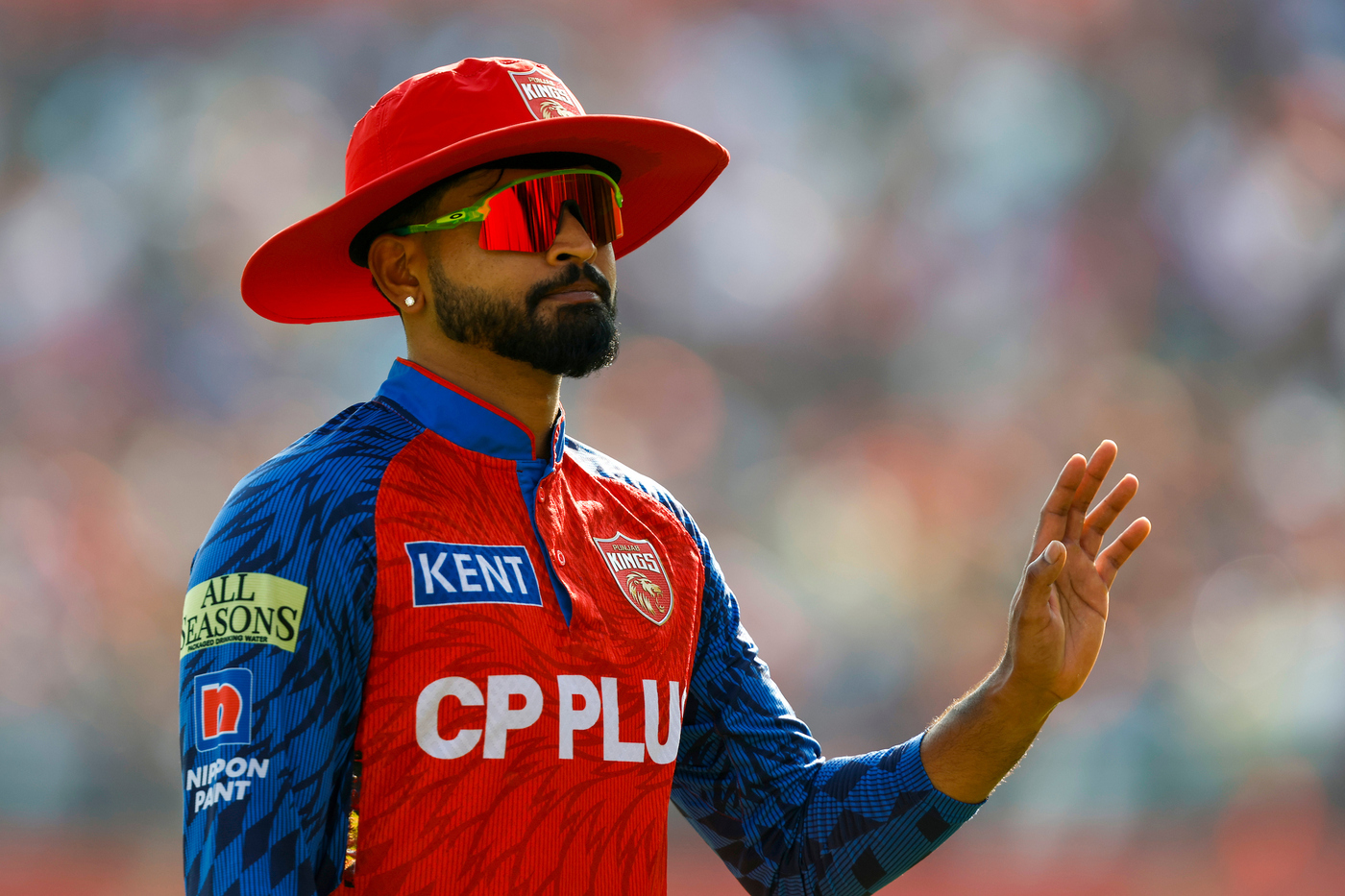
Shreyas confirmed as India's T20I captain; Suryakumar dropped
ESPNcricinfo
Indian Express
SportsJun 6, 2026 · 1 min
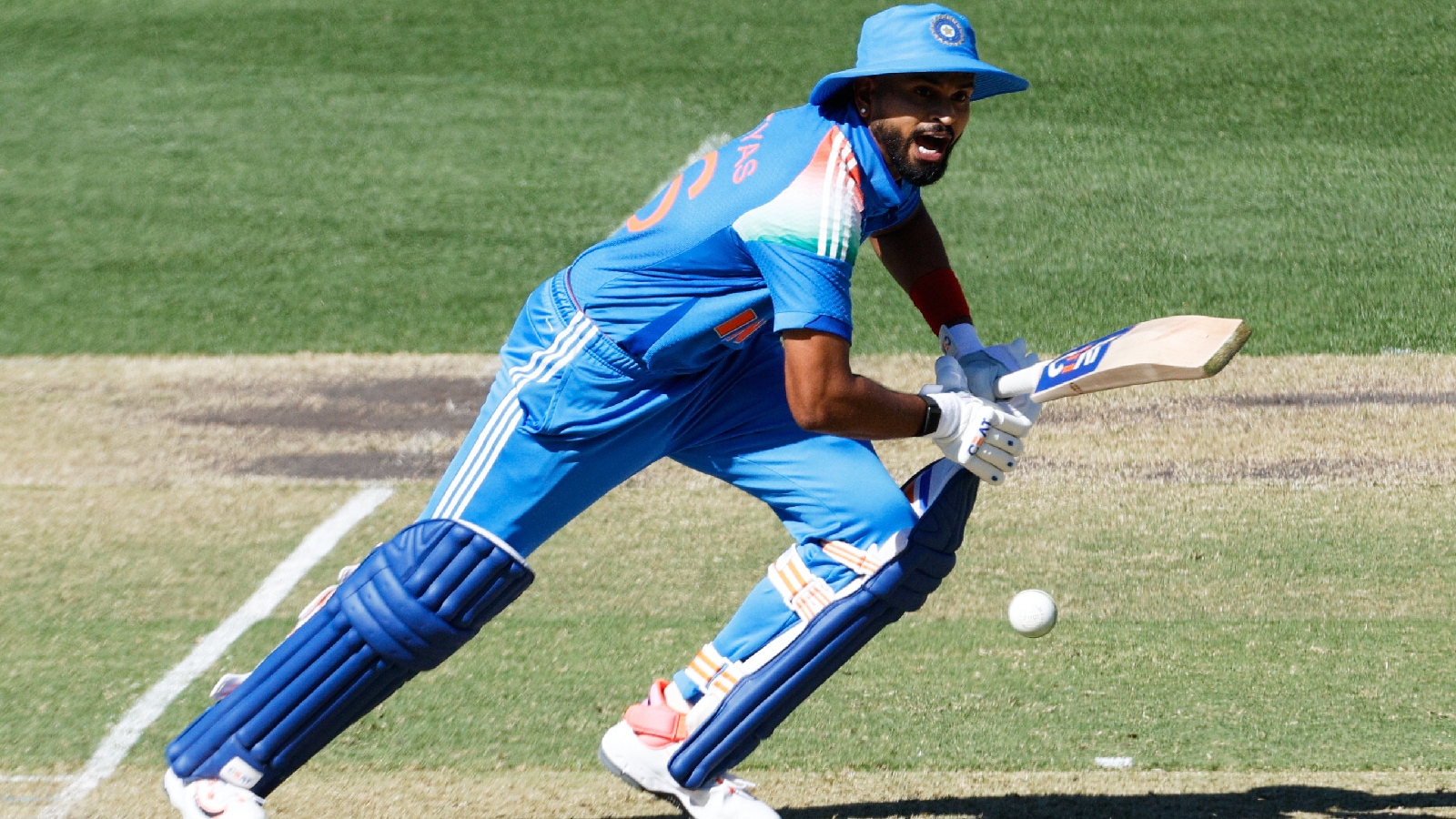
Shreyas Iyer named India’s new T20I captain, replaces Suryakumar Yadav
Indian Express