Indian Express
‘What are the benefits of semolina for diabetics?’
3 min readNew DelhiJun 7, 2026 06:00 AM IST
Suji (semolina) is widely used in Indian households, from upma to halwa. But for people managing diabetes, its place in the diet often raises questions. So, when we stumbled upon a Quora query: ‘What are the benefits of semolina for diabetics?’, we reached out to Dr Swati Goray, Consultant – Endocrinology, Jupiter Hospital, Pune, who said that while suji is not entirely off-limits, it must be approached with caution.
“You can include suji as part of a diabetic dietary plan, but it is important to practice portion control,” says Dr Goray. “Because suji is calorie-dense and high in carbohydrates, excessive intake can significantly elevate blood glucose levels.”
DISCLAIMER: This article is based on information from the public domain and/or the experts we spoke to. Always consult your health practitioner before starting any routine.
How suji impacts blood sugar
One of the key concerns with suji is how quickly it affects blood sugar compared to healthier grain options. “Compared to whole grains, the speed at which suji elevates blood glucose levels is much greater,” explains Dr Goray. “This is because it is highly refined and low in fibre.”
Whole grains, on the other hand, take longer to digest and release glucose more gradually, helping maintain stable blood sugar levels. Suji’s refined nature means it is digested quickly, leading to sharper spikes, she adds.
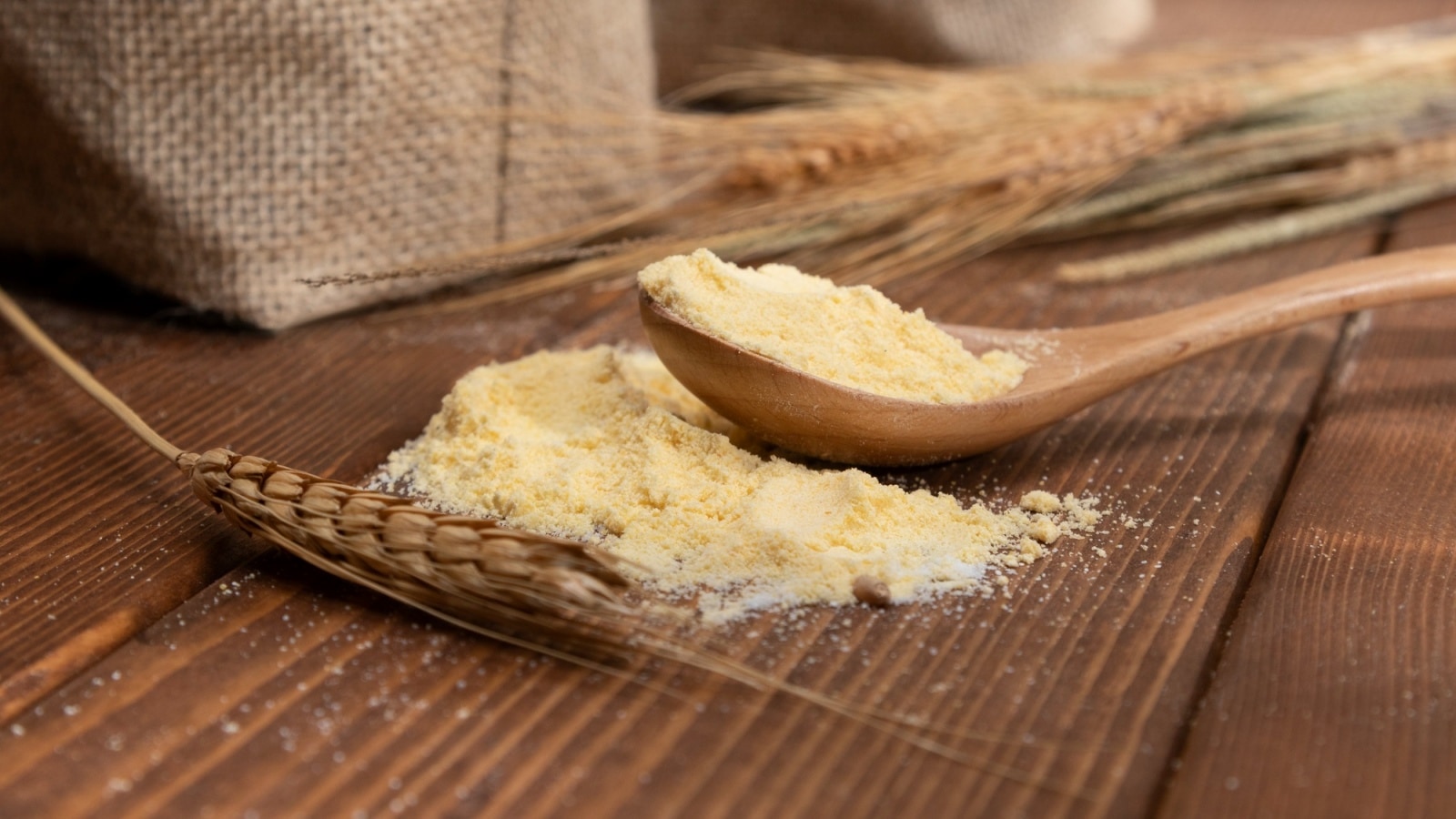
Is suji healthy for diabetics (Photo: Freepik)
Understanding suji’s glycaemic iIndex
Suji has a moderate glycaemic index (GI), typically ranging between 54 and 66. While this might seem acceptable, GI alone doesn’t tell the full story, explains Dr Swati. “Suji produces a moderate increase in blood glucose. However, because it is high in carbohydrates, the total quantity consumed plays a major role in determining the overall glucose response.”
Story continues below this ad
This means that even foods with a moderate GI can cause significant spikes if eaten in large portions or without balancing nutrients, she adds.
Smarter ways to eat suji
“When consumed with high-fibre vegetables, protein-rich foods, and healthy fats, glucose absorption slows down,” Dr Goray advises. “This helps improve blood sugar stability.”
She also recommends:
Choosing coarser or less refined varieties of suji
Avoiding overcooking, which can increase its glycaemic impact
Keeping portion sizes in check
DISCLAIMER: This article is based on information from the public domain and/or the experts we spoke to. Always consult your health practitioner before starting any routine.
View original source — Indian Express ↗
More from Technology

The Hindu
TechnologyJun 7, 2026 · 1 min
Singapore blocks social media posts attacking Indian community
The Hindu

CNA
TechnologyJun 7, 2026 · 1 min
British actor Patrick Godfrey, who played Leonardo da Vinci in Ever After, dies at 93
CNA

Indian Express
TechnologyJun 7, 2026 · 1 min
Mumbai’s GMLR tunnel borers to be named after the city’s oldest lakes — Tulsi and Vihar
Indian Express