Indian Express
US tops India’s LNG basket in May, imports recover to pre-war levels
4 min readNew DelhiUpdated: Jun 7, 2026 06:23 AM IST
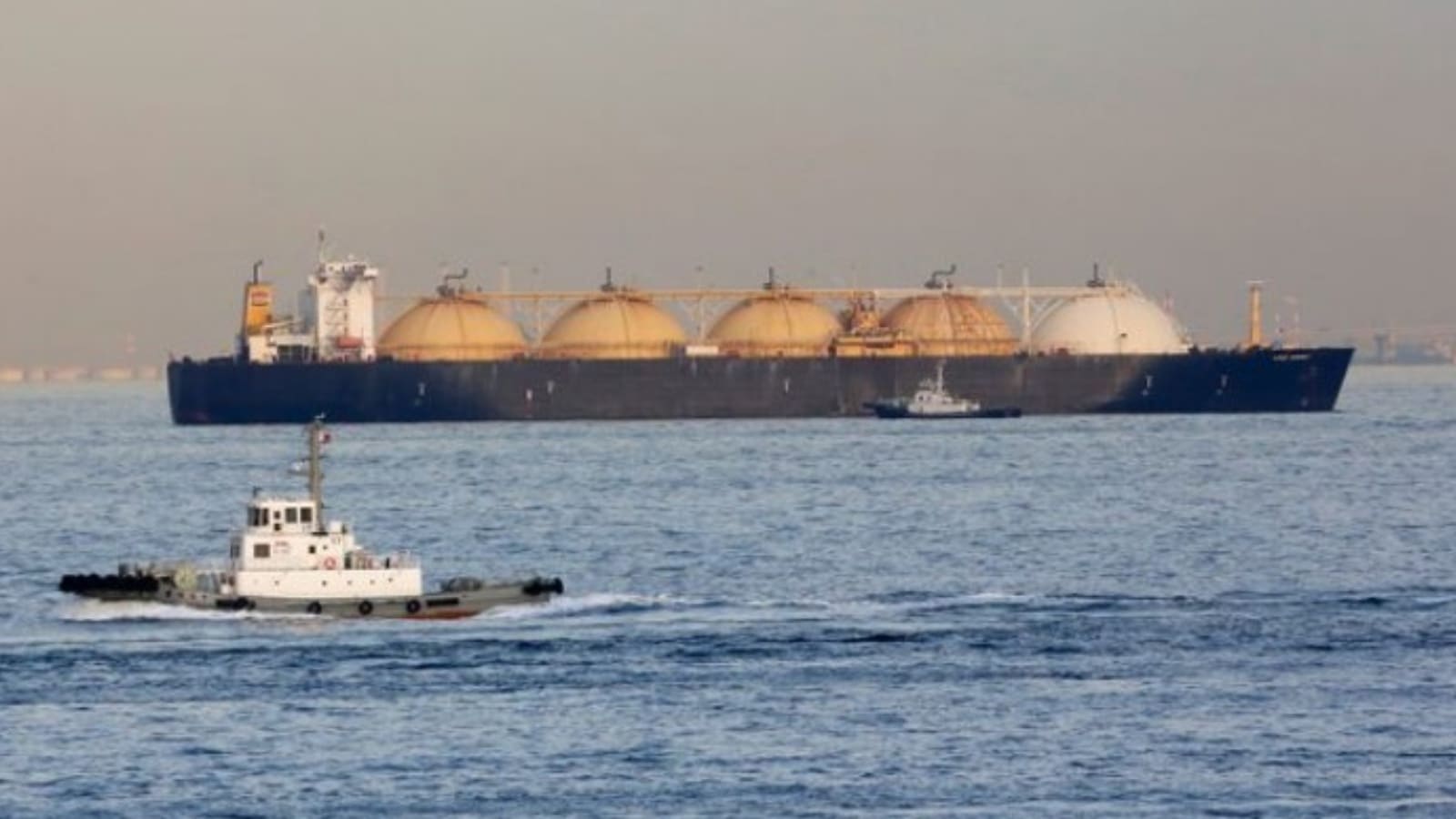
India depends on LNG imports to meet about half of its natural gas requirement. (Reuters)
With the heavy disruption in liquefied natural gas (LNG) imports from key suppliers Qatar and the UAE, the US emerged as India’s largest source of super-chilled gas in May, followed by Nigeria, Oman, and Angola, as New Delhi’s LNG imports recovered to pre-war levels despite the surge in international LNG prices.
While some major LNG importing countries reduced imports amid sky-high prices, India prioritised supplies over price amid demand from various sectors, which include city gas distribution, fertiliser, power, and ceramics.
The effective closure of the Strait of Hormuz has upended the regular flow of LNG to India from key suppliers Qatar and the UAE, leading to a scramble for LNG cargoes from alternate geographies. The supply disruption has not been as severe as initially anticipated due to a combination of alternative suppliers raising exports and demand curtailment in various parts of the world. India depends on LNG imports to meet about half of its natural gas requirement, and about 60% of those imports came through the critical maritime chokepoint of the Strait of Hormuz, primarily from Qatar, and also the UAE. The two Gulf nations are major LNG exporters. Ship tracking data from commodity market analytics firm Kpler shows that India imported 2.2 million tonnes of LNG in May, 13.5% higher over April, and 32% over March, which was the first month impacted by the West Asia war and the consequent closure of the Strait of Hormuz. LNG imports in May were, in fact, 6% higher over the corresponding month of last year, and 6.4% higher than the 2025 monthly average.
As no LNG volumes came to Indian shores from Qatar for the second month in a row, and just 0.1 million tonnes came from the UAE, LNG importers continued with their pivot to alternative suppliers—that don’t depend on the Strait of Hormuz—to secure emergency spot cargoes.
Volumes from the US tripled to 0.9 million tonnes, accounting for about 41% of India’s overall LNG imports for the month, as per Kpler data. In 2025, the average monthly LNG imports from the US were 0.2 million tonnes.
Nigeria was in the second spot with 0.5 million tonnes—flat on a month-on-month basis—followed by Oman and Angola at 0.3 million tonnes each. In April, LNG imports from Oman were 0.6 million tonnes, while supplies from Angola stood at 0.3 million tonnes. Although Oman is located in West Asia, it has a sizable coastline facing the Arabian Sea and the Gulf of Oman, and doesn’t depend on the Strait of Hormuz for the transit of its cargoes. Last year, the average monthly LNG imports from Nigeria, Oman, and Angola were 0.1 million tonnes, 0.2 million tonnes, and 0.1 million tonnes, respectively.
In 2025, the average monthly LNG import volumes from Qatar stood at 1 million tonnes, followed by imports from the UAE at 0.3 million tonnes. In March-April, the Strait of Hormuz closure meant that just 0.06 million tonnes came from Qatar and 0.13 million tonnes from the UAE during the two months.
Story continues below this ad
“This (recovery in India’s LNG imports) is notable given Asian spot LNG spiked to peak of $25/mBtu in late Mar ‘26 after Qatar’s production halt and Hormuz closure, before easing to around $17-18/mBtu in May, still about 70% above pre-crisis (level of) about $10/mBtu. While South Korea and Japan cut imports, India moved in the opposite direction, absorbing cost premium to keep volumes flowing,” Equirus Securities said in a note.
While high and largely inelastic demand from critical sectors like CGD and fertilisers has ensured that LNG imports remain strong, a few other sectors have added to the demand for LNG due to the prevailing weather and fuel supply situation. “India’s power consumption surged over 11% yoy in May ‘26. Peak demand hit an all-time high of over 270 GW. With coal carrying about 70% of load and hydro 10%, Ministry of Power directed all gas-based plants on standby for heatwave shortfall coverage, turning high-cost LNG into a non-negotiable grid necessity,” Equirus said.
Sukalp Sharma is a Deputy Associate Editor with The Indian Express and writes on a host of subjects and sectors, notably energy and aviation. He has over 16 years of experience in journalism with a body of work spanning areas like politics, development, equity markets, corporates, trade, and economic policy. He considers himself an above-average photographer, which goes well with his love for travel. ... Read More
Tags:
Liquefied Natural Gas
View original source — Indian Express ↗
More from Business

Financial Times
BusinessJun 7, 2026 · 1 min
Tokio Marine boss to use Berkshire deal for global growth drive
Financial Times
Indian Express
BusinessJun 7, 2026 · 1 min
West Asia conflict: Spot market gas purchases by power plants jump over 300%
Indian Express

The Punch
BusinessJun 7, 2026 · 1 min
Why Nigeria’s economic growth depends on fixing its transport system
The Punch