Indian Express
Maharashtra tells Mumbai gymkhanas: Accept collector on your board, or lose your lease
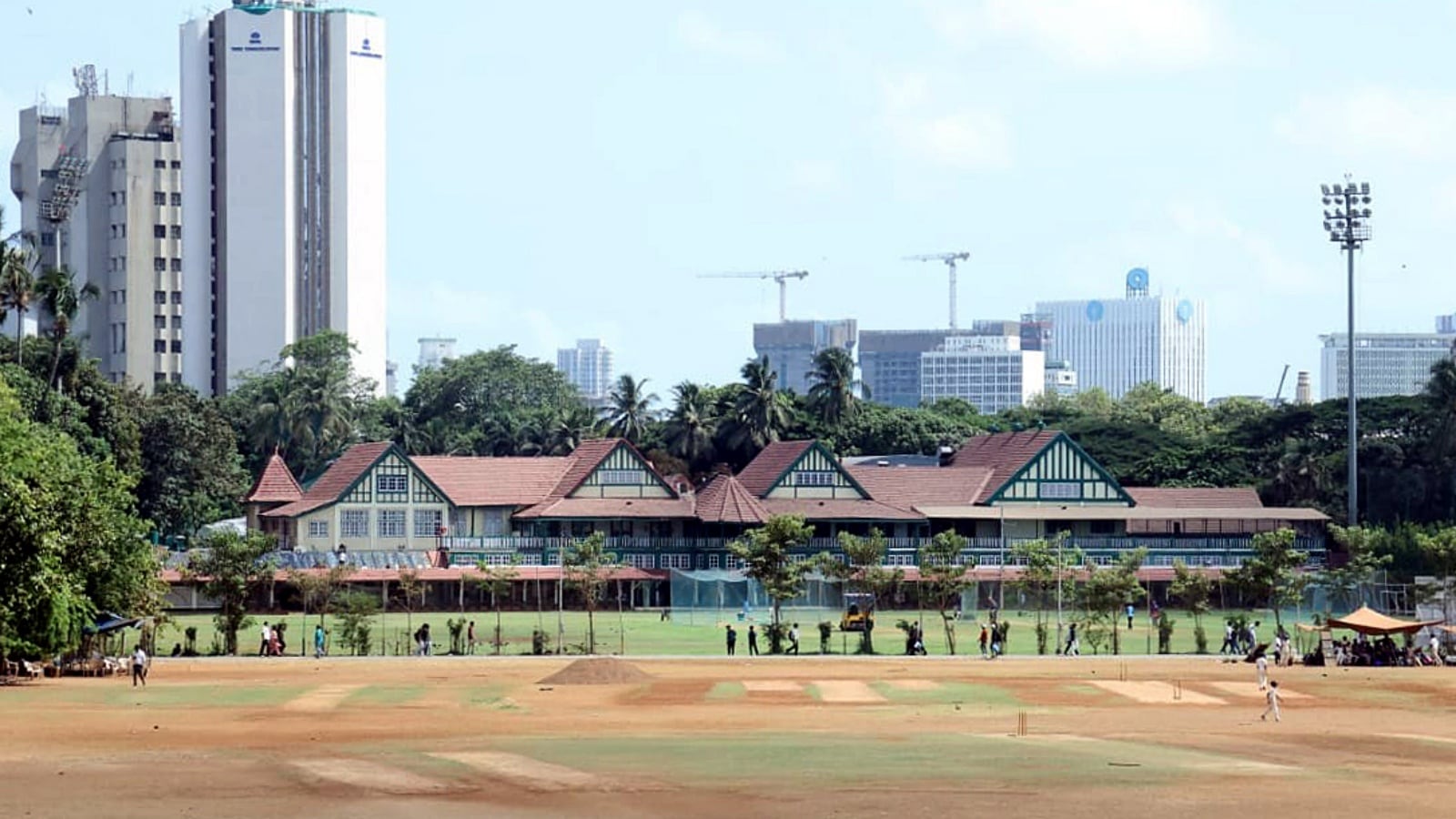
In recent meetings with administrators of Mumbai’s 16 gymkhanas standing on government-owned land, the Maharashtra government has proposed a significantly greater role for itself in the functioning of the clubs as a condition for future lease renewals, including a seat for the district collector on their management committees, making the collector’s recommendations binding on the clubs, and allowing government use of gymkhana premises for public programmes and emergencies, The Indian Express has learnt.
The proposals, which have figured prominently in recent consultations between the collector’s office and gymkhana administrators, would mark a significant shift in the relationship between the state and some of Mumbai’s oldest sporting institutions. Officials familiar with the discussions said the government has indicated that these conditions would form the basis of future lease renewals for clubs occupying public land.
At present, 16 Mumbai gymkhanas stand on collector-owned land that was leased out by the erstwhile colonial administration during the 19th and early 20th centuries. While the leases of several prominent institutions, including Bombay Gymkhana, Islam Gymkhana, Parsee Gymkhana and Hindu Gymkhana, have already expired and are awaiting renewal, others are due to expire in the coming years.
Among the key conditions proposed by the government is the induction of the district collector as an ex-officio member of the management board of every gymkhana. The proposed framework also states that recommendations made by the district collector would be binding on the gymkhanas and clubs.
The collector would also be empowered to recommend at least five individuals annually for permanent membership or conversion of service memberships into permanent memberships.
The proposals further provide for the government to hold official programmes and public events on gymkhana premises for up to five days every calendar year. In addition, the state would reserve the right to use the land during elections, natural disasters and other emergencies requiring public use of the premises. According to a report by the Observer Research Foundation, gymkhanas and elite clubs occupy 664 acres — nearly one-fifth of Mumbai’s total 3,780 acres of open space.
Another major change relates to events and revenue. Under the proposed framework, gymkhanas would be permitted to host sporting events for a maximum of 45 days annually, subject to prior intimation to the district collector. They would also be required to pay a licence fee ranging between Rs 50,000 and Rs 1.5 lakh per day for hosting events.
Story continues below this ad
Currently, gymkhanas pay only nominal lease rents to the government and are not required to pay licence fees for organising events. While some institutions such as Bombay Gymkhana reserve a small percentage of memberships for serving and retired government officers, there is no uniform requirement for government representation on management committees.
The proposed conditions also envisage a shift to market-linked lease rentals, with rents to be periodically revised every five years.
The conditions were first outlined by the Revenue and Forest Department in July last year. Subsequently, in February this year, the state government constituted a study group to review existing policies governing gymkhanas and clubs across Maharashtra.
Since then, officials have held multiple rounds of discussions with gymkhana office-bearers in Mumbai. Sources familiar with the meetings said government representatives have emphasised that acceptance of the proposed framework would be important for future lease renewals.
Story continues below this ad
Officials said the conditions are also likely to inform the new gymkhana policy currently under preparation.
“There is a need to amend the existing gymkhana policy to ensure that the large tracts of land on which these institutions stand also serve a larger public purpose,” a government official said. “The study group is examining land records, lease agreements and revenue models. Its recommendations will help shape the new policy.”
The government’s move comes amid a broader debate over the use of publicly owned land by elite clubs and gymkhanas. Last month, the Union Ministry of Housing and Urban Affairs’ Land and Development Office asked the century-old Delhi Gymkhana Club to vacate its leased premises on Safdarjung Road. Maharashtra government officials, however, said the two developments are unrelated, noting that the state’s first notification on gymkhana lease conditions was issued in July 2025.
Gymkhana representatives confirmed that the government has indicated that lease-renewal conditions are likely to become more stringent. “At present, we are negotiating with the government to reach a common ground, considering that these gymkhanas also play an important role in preserving Mumbai’s sporting and cultural heritage. Many clubs already provide service memberships to government employees. The existing quota of around 5 per cent could be increased to 10 or even 15 per cent in some cases,” a gymkhana office-bearer said.
Story continues below this ad
Commenting on the legal implications of the proposals, solicitor and advocate Sujjain Talwar said: “Where the government is the landlord, it is entitled to impose reasonable rent and user-related conditions while renewing leases. However, interference in the management of the lessee raises different legal questions. There must be a nexus between lease conditions and the use of the property. Otherwise, such provisions could be challenged as arbitrary or unfair.”
View original source — Indian Express ↗
More from Technology
Dawn
TechnologyJun 7, 2026 · 1 min
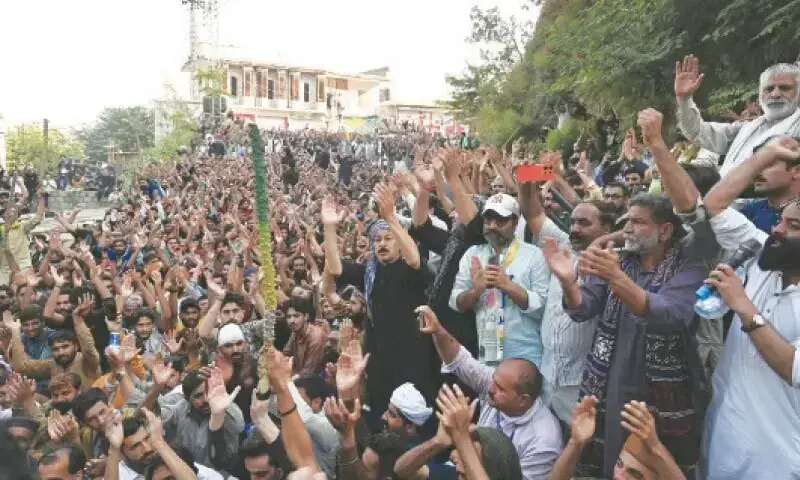
AJK govt cracks down on JAAC after imposition of ban
Dawn

Dawn
TechnologyJun 7, 2026 · 1 min
US, Iran trade blows as Gulf allies targeted
Dawn
ABC News
TechnologyJun 7, 2026 · 1 min
Paramedics warn of burnout and trauma as ambulance wait times exceed 'worst case scenario'
ABC News