Indian Express
Indian Express··4 min read
From 10-hour journeys to 4: how Haryana’s highways are transforming travel
Shashi Kumar Yadav, a lawyer at the Punjab and Haryana High Court who moved from his native village of Dakhora in the Rewari district to Chandigarh, explains how dramatically his commute has shortened over the last two decades.
“It used to take eight to 10 hours to travel from my village to Chandigarh in 2004, when there were no highways. By 2009, after the Bawal (Rewari) to Panipat Highway came up, the travel time had reduced to six hours. Now, following the construction of the Trans-Haryana Expressway (NH-152D), also known as the Ambala-Narnaul Expressway, this journey takes just four hours,” Yadav says.
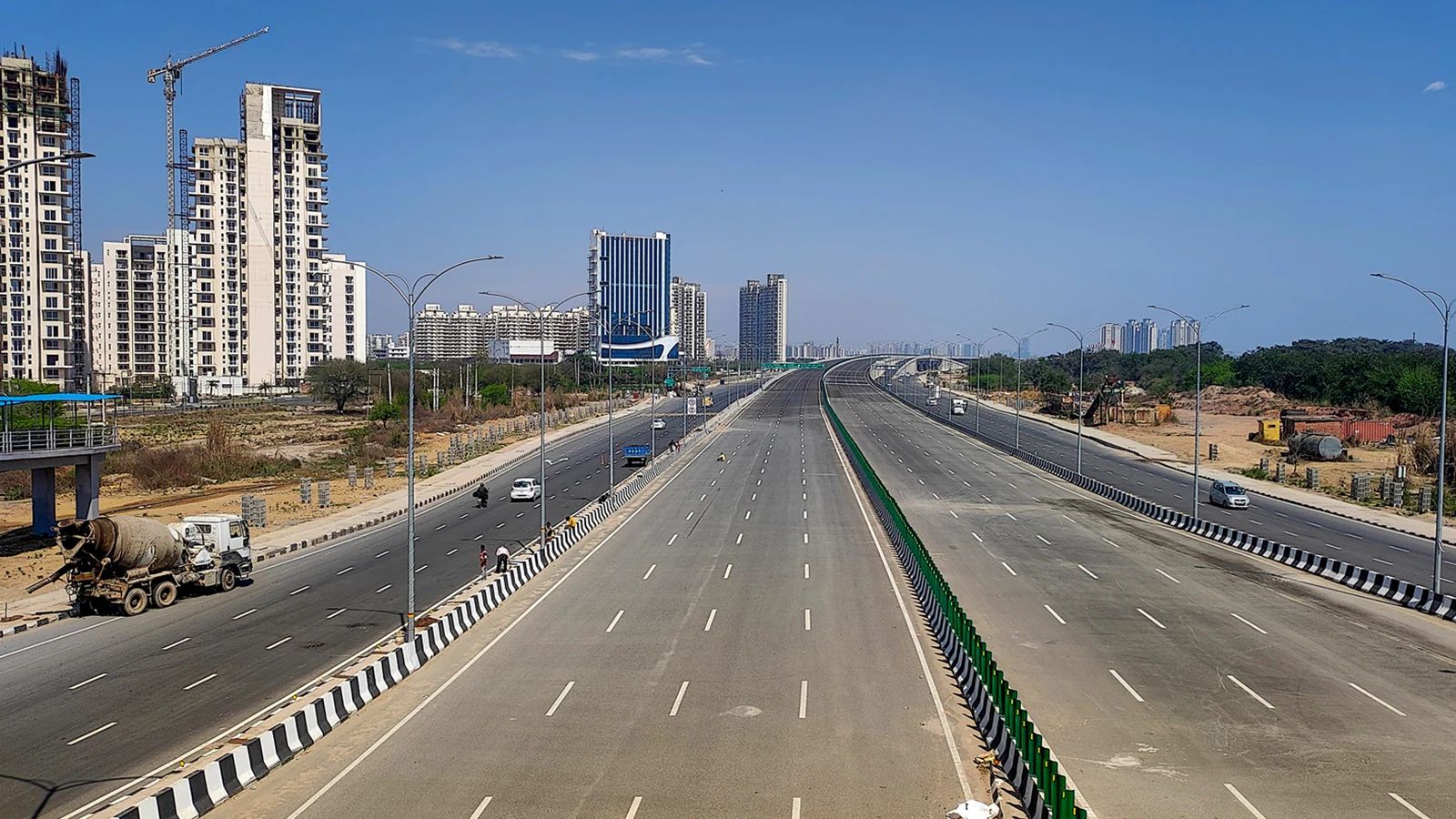
Over the past few years, the expansion of Haryana’s highway infrastructure has significantly reduced travel times and strengthened connectivity across the state. With a rapidly growing network of highways and expressways, Haryana today presents a striking blend of modern infrastructure alongside its green fields, villages, and towns.
The state enjoys a strategic advantage due to its proximity to the national capital. Fourteen of Haryana’s 22 districts, covering an area of 25,327 sq km, fall within the National Capital Region (NCR), making connectivity a key driver of its economic and social development.
Both the ruling BJP, which has been in power in Haryana for over a decade, and the principal opposition Congress, which governed the state for a similar period before them, credit themselves for this infrastructural expansion.
State officials highlight several key developments, including an 86-km road being built to link the Trans-Haryana Expressway to the Delhi-Mumbai Expressway. This link will facilitate faster travel between northern and western India while reducing congestion in the Delhi-NCR region.
Referring to the Ambala-Delhi highway, officials note that the journey between Chandigarh and Delhi previously took up to five hours. However, the newly constructed highway is expected to cut that travel time by an hour and a half, significantly enhancing regional connectivity.
Story continues below this ad
Furthermore, the upcoming Delhi-Katra-Amritsar Expressway will drastically slash transit times. The journey from Delhi to Katra will drop from 12 to 13 hours to just six hours, while travel from Delhi to Amritsar will be cut from seven to eight hours to only four hours. The Haryana section of this highway is already complete, stretching from the Kundli-Manesar-Palwal (KMP) Expressway junction to the Kaithal junction with NH-152, saving motorists over two hours when travelling between Delhi and Kaithal.
The scale of this growth is evident in the state’s history. According to official data, when Haryana was carved out in 1966, it had only five National Highways spanning a total length of 655 km. By 2014, that network had grown to 18 National Highways covering 2,050 km. The expansion accelerated after 2014, with 22 new National Highways adding 1,390 km to the grid. Today, the state boasts approximately 40 National Highways with a combined length of 3,440 km.
Speaking to The Indian Express, Haryana Public Works (Buildings and Roads) Minister Ranbir Gangwa credited the BJP’s “double-engine” government in Haryana and at the Centre for the rapid execution of these projects.
“Under BJP rule, both the state and central governments work in close coordination, which makes a massive difference. In the coming years, even more highways will come up in the state,” Gangwa said.
Story continues below this ad
Chief Minister Nayab Singh Saini added, “Over the past 11 years, 1,719 km of national highways have been constructed at a cost of Rs 28,582 crore, ensuring that every district in the state is now connected to the national highway network.”
On Thursday, Saini directed officials to ensure that the widening of all 12-foot-wide roads to 18 feet is completed by March 2027. To support these infrastructure goals, the state budget allocation for the sector has been increased by 22 per cent, rising from Rs 4,830.73 crore in 2025-26 to Rs 5,893.66 crore in 2026-27.
Key highway projects
Delhi-Katra-Amritsar Expressway (NE 05): This flagship expressway will cut travel time from Delhi to Katra from 12 to 13 hours to just six hours, and from Delhi to Amritsar from seven to eight hours to only four hours.
Chandigarh-Ambala-Delhi Highway: Previously, the journey between Chandigarh and Delhi could take up to five hours, but the new highway is expected to reduce travel time by two to two and a half hours.
Story continues below this ad
Trans-Haryana Expressway (NH-152D) and Link Corridor: Connecting the Trans-Haryana Expressway with the Delhi-Mumbai Expressway, this greenfield corridor provides seamless east-west connectivity and has reduced travel time between Jind, Ambala and Chandigarh from three to four hours to nearly two hours.
Dwarka Expressway: A crucial project connecting Delhi and Gurugram, easing congestion on NH-48 (part of the Delhi-Mumbai corridor) and improving access to the airport.
Gurugram-Rewari NH-352W: Designed to enhance connectivity between Gurugram and Rewari, significantly reducing travel times.
Mumbai Expressway Extension: Part of the Delhi-Mumbai Expressway, this Haryana section passes through Gurugram, Nuh, and Palwal, improving access to western India.
Story continues below this ad
Sonipat-Jind NH-352A: An 80-km highway divided into two sections, improving travel between Sonipat and Jind.
Rohtak-Jind and Narwana NH-352: Eases travel from Jind to Rohtak, Delhi, and Punjab.
Panipat-Dabwali (Sirsa) National Highway: Provides an important east-west transport link connecting Panipat, Karnal, Jind, Fatehabad, Sirsa, and the western districts of Haryana.
Ambala-Kala Amb NH-7 and NH-344: Strengthens connectivity between Haryana, Himachal Pradesh and adjoining regions, benefiting tourism, trade and freight movement.
Story continues below this ad
Ambala-Shamli Highway (NH-344GM): Provides a direct corridor between Haryana and western Uttar Pradesh.
Rewari-Ateli Mandi NH-11: Starting from Rewari and extending deep into western Rajasthan, this highway is built to improve inter-state commerce, tourism, and passenger transit.
View original source — Indian Express ↗
More from newsGlobal

The Punch
PoliticsJun 7, 2026 · 1 min
NANS slams LAUTECH over student suspensions, plans Monday protest
The Punch
The Punch
PoliticsJun 7, 2026 · 1 min
Shettima visits Ekiti to inaugurate projects Tuesday
The Punch

Antara News
PoliticsJun 7, 2026 · 1 min
Indonesia's Prabowo says education key to improving welfare
Antara News