Indian Express
How Victoria’s Secret model Miranda Kerr reversed an inflammatory bowel condition
What if we told you that your body already knows how to heal, you just have to give it the right environment? Through diet changes, stress recovery, and targeted natural therapies, Miranda Kerr managed to reverse an inflammatory bowel condition without heavy-duty drugs. All she did was listen to her body and remove the foods and triggers driving inflammation.
“I’d been completely vegan, and then I realised that wasn’t for me. Now I’m gluten-free, dairy-free, and I’m also egg-free because I had my blood tested and it was showing that gluten, dairy and eggs were causing inflammation in my body,” said the Victoria’s Secret model in conversation with Dr Mark Hyman, American physician and author.
DISCLAIMER: This article is based on information from the public domain and/or the experts we spoke to. Always consult your health practitioner before starting any routine.
“So, I decided that I was going to eliminate those things and combine with my meditation practice, hyperbaric oxygen and probiotics in food — coconut, kefir, sauerkraut, curcumin in turmeric as well, which I believe has been key to my remission. And obviously, we don’t cook in seed oils,” she added,
A vegan diet is exclusively composed of plant-based foods and excludes all animal products, including staples like milk, ghee, and honey.
But, is veganism a solution for all health issues?
According to Manisha Choudhary, consultant – dietitian and nutritionist, Motherhood Hospitals, Noida, it’s important to understand that the idea that a vegan diet is categorically superior to a meat-based one oversimplifies the complexities of nutritional science. “Both dietary approaches can be healthy if thoughtfully planned. A well-balanced meat-based diet, focusing on lean proteins, whole grains, and a variety of fruits and vegetables, can also provide a rich array of essential nutrients,” explained Choudhary.
According to her, those with certain medical conditions, such as specific nutrient deficiencies, must consult a healthcare provider before making significant dietary changes. To add to that, pregnant or breastfeeding women and young children should ensure they meet their nutritional needs when following a vegan diet.
Kerr’s anti-inflammatory diet
C V Aishwarya, a clinical nutritionist and lecturer at Sri Ramachandra Institute of Higher Education and Research, added that as per Kerr’s claims, an anti-inflammatory diet focuses on whole, nutrient-dense foods rich in antioxidants, healthy fats, and fiber, while minimising processed foods, sugars, and unhealthy fats. This approach may help reduce chronic inflammation, essential for managing inflammatory conditions like bowel syndrome.
Story continues below this ad
According to her, an anti-inflammatory diet can be tailored for vegetarians and nonvegetarians, focusing on foods that help reduce inflammation. “Berries, leafy greens, cruciferous vegetables, whole grains like quinoa, brown rice, nuts and seeds, and certain spices such as turmeric, ginger, and garlic are the best vegetarian options, while fatty fish such as salmon, mackerel, sardines, anchovies, skinless chicken, and eggs are the healthier non-vegetarian alternatives,” she said.
While an anti-inflammatory diet can meet many nutritional needs, it is essential to monitor intake to ensure a balance of micro and macronutrients, especially when eliminating certain foods. “Protein needs can be fulfilled by combining plant-based sources and animal proteins. Healthy fats, including omega-3-rich foods and monounsaturated fats from sources like olive oil, are also important for managing inflammation,” she said.
Ultimately, the efficacy of a dietary choice lies in its alignment with individual health goals, preferences, and nutritional requirements.
DISCLAIMER: This article is based on information from the public domain and/or the experts we spoke to. Always consult your health practitioner before starting any routine.
View original source — Indian Express ↗
More from Technology
TechRadar
TechnologyJun 7, 2026 · 1 min
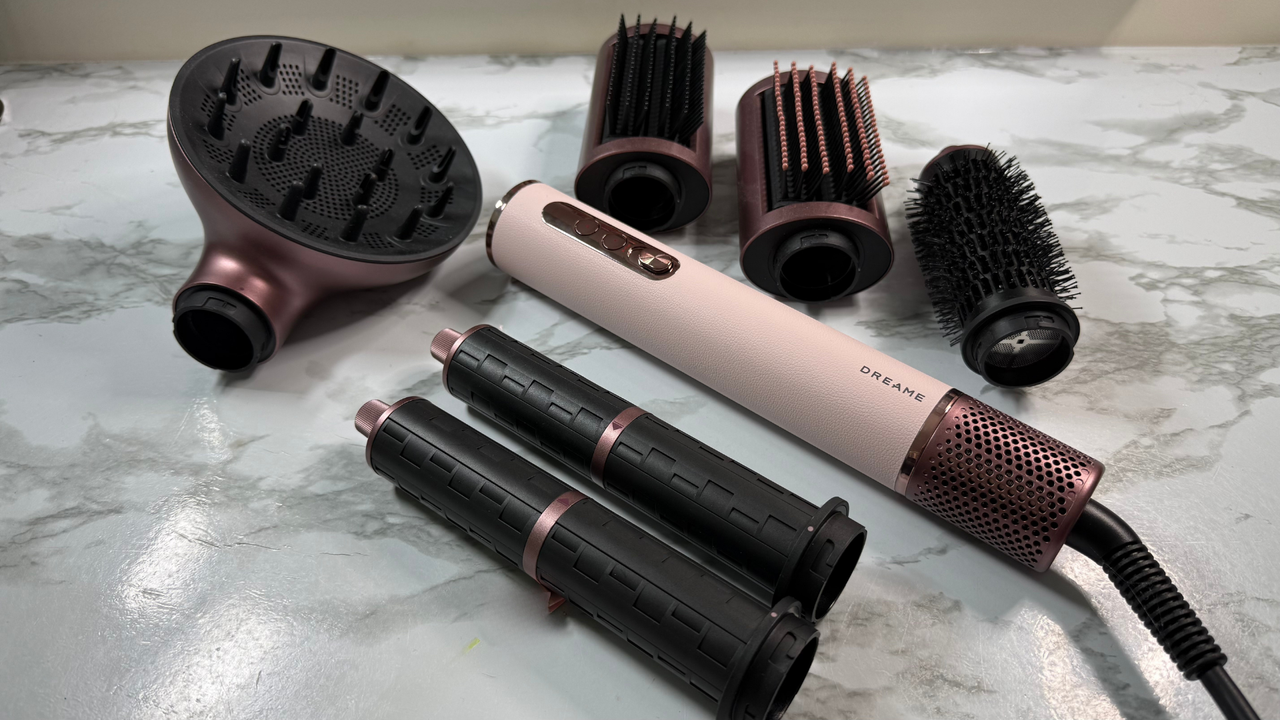
The Dreame AirStyle Era is the Airwrap alternative that nearly has it all
TechRadar

TechRadar
TechnologyJun 7, 2026 · 1 min
How to watch Cobolli vs Zverev: FREE Live Streams & TV Channels for French Open 2026 Final
TechRadar

Wired
TechnologyJun 7, 2026 · 1 min
How to Watch Apple’s WWDC 2026 Keynote—and What to Expect
Wired