Indian Express
Indian Express··5 min read
Early warning bells for AAP in Punjab? Why groups that powered its 2022 win are protesting
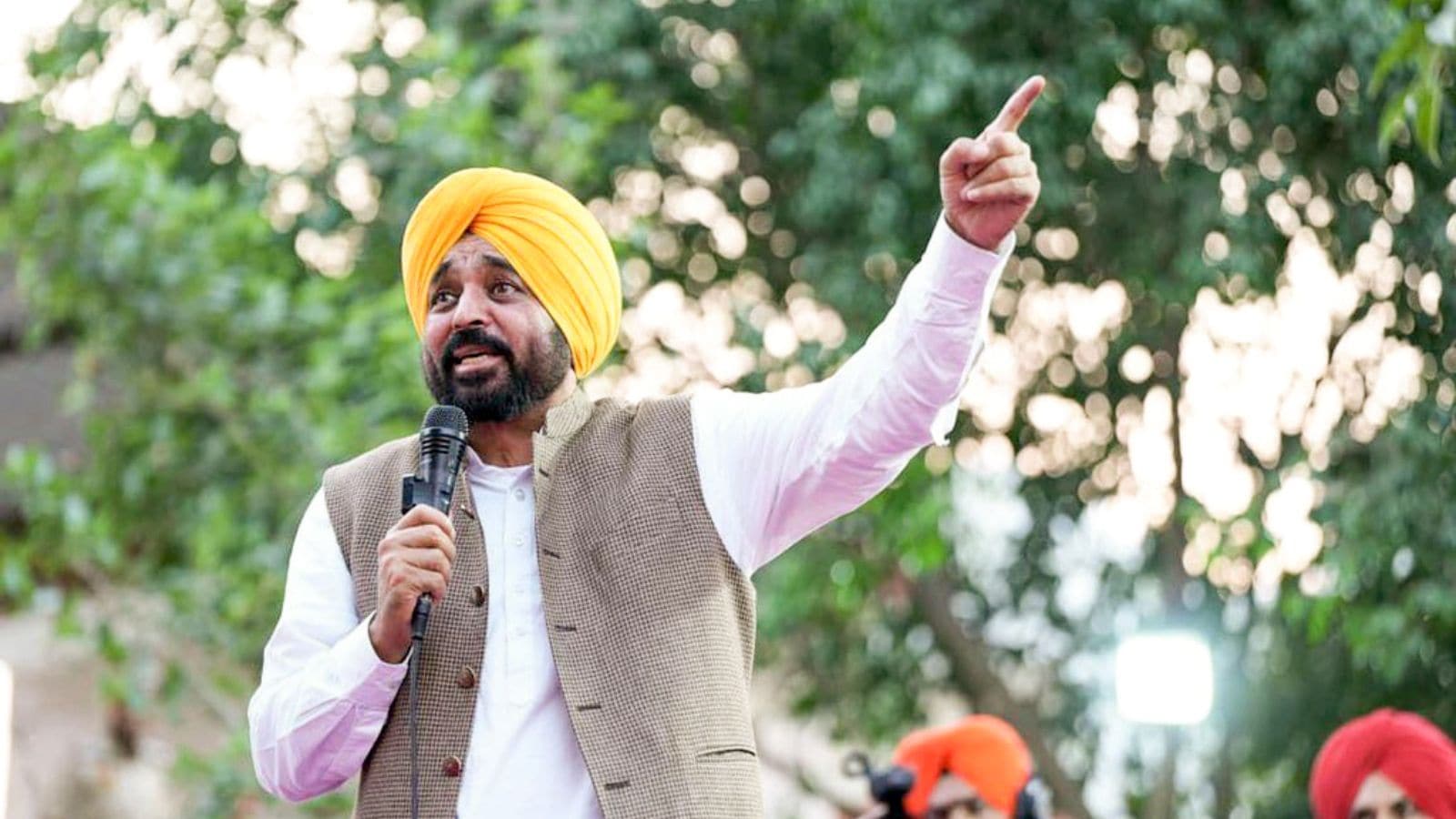
With Assembly elections in Punjab early next year, the Bhagwant Mann-led Aam Aadmi Party (AAP) government is increasingly finding itself on the defensive against sections of voters, including government employees, contractual workers, and unemployed youth, that contributed significantly to its landslide victory in 2022.
Over the past few weeks, protests across Punjab have intensified, exposing growing resentment over pending demands related to jobs, wages, promotions, dearness allowance (DA), and pension benefits. While the government has projected itself as employment-friendly, its handling of these agitations has drawn criticism from the Opposition and employee unions alike and has become a cause for concern just over a week after its sweep in the urban local polls came as a major boost.
The latest flashpoint came on June 5 outside the Punjab State Power Corporation Limited (PSPCL) and Punjab State Power Transmission Corporation Limited (PSTCL) headquarters in Patiala. Members of the 2600 PSPCL-PSTCL Apprenticeship Linemen Union Punjab had been staging a dharna outside gate number 1 since June 1, demanding recruitment as assistant linemen after completing their apprenticeship.
Tensions escalated when protesters expanded their agitation to gate number 2, effectively blocking both entry points to the offices. The Patiala police moved in to clear the area, and the ensuing lathi-charge left more than 20 protestors injured while 11 union members were detained. They were released later that night after Opposition leaders visited police stations and hospitals to meet the injured.
The police maintained that the action was necessary as PSPCL employees inside the premises had effectively become hostages due to the blockade.
The explanation, however, failed to convince many employee organisations. On June 6, the protest intensified, with PSPCL employee unions across Punjab condemning the police action and burning effigies of the Punjab Police and the state government.
“We have been raising our issues for a long time, but after facing police force on June 5, we have decided not to withdraw our dharna,” said Surinder Singh, state president of the 2600 Apprenticeship and Linemen Union, who continues to lead the protest outside the PSPCL office in Patiala.
Adding to the government’s discomfort, leaders from the BJP, Shiromani Akali Dal (SAD), and the Congress reached the protest site to express solidarity with the demonstrators. Police later booked more than 160 people on charges such as obstructing government officials from discharging their duties. No arrests have been made so far.
More discontent
The PSPCL agitation is only one among several ongoing protests.
Since May 26, more than 1,800 outsourced employees working at over 500 Sewa Kendras across Punjab have been on strike, demanding enhanced wages. The employees argue that despite serving for nearly a decade and recent pay revisions, their salaries would remain between Rs 13,000 and Rs 17,000 per month, while newly recruited employees would receive similar revised packages.
The strike has disrupted several citizen services, including issuance of birth certificates, driving licences and other public service applications. Sources said nearly 200 employees have already been removed by the contractor during the agitation.
Meanwhile, the Berozgar Sanjha Morcha has completed more than 160 days of dharna outside the deputy commissioner’s office in Sangrur. The organisation has announced a protest at Satauj village, Chief Minister Bhagwant Mann’s native village, on June 10.
“Employees and the general public usually try to make themselves heard in an election year. If we recall 2021, there were widespread protests against the Congress government, and at that time AAP leaders assured us our demands would be fulfilled once they came to power. We are still waiting for measures such as enhancement of the upper age limit for government jobs and more recruitment opportunities,” said Raman Kumar of the Berozgar Sanjha Morcha.
“Whenever the Chief Minister plans a major public event anywhere in Punjab, many of our members are placed under house arrest. This is how we are being treated,” he added.
The government’s uneasy relationship with protesting employees is not new. In November last year, a strike by outsourced employees of the PEPSU Road Transport Corporation (PRTC) turned violent in Sangrur when some protestors climbed atop buses, allegedly carrying petrol bottles. A police officer sustained minor burn injuries after petrol reportedly spilled on him and a matchstick was ignited. Eleven employees were arrested on attempt-to-murder charges and remain in jail.
The Safai Sewak Union, too, paralysed sanitation services in 135 urban local bodies between May 6 and May 22. The strike was suspended only after the government sought 30 days to address demands, including a wage hike. Union leaders have warned that another agitation could begin on June 22 if assurances are not fulfilled.
At the same time, the Punjab Civil Secretariat and Ministerial Services Union, along with other employee organisations representing staff in over 50 government departments, continue to press for the release of pending DA instalments. Punjab government employees currently receive 42% DA, compared to 60% paid by the Centre and neighbouring Haryana.
Last month, union members took a pledge at a rally in Mohali not to support the AAP in the upcoming elections.
Another contentious issue is the demand for implementation of the Old Pension Scheme (OPS), a promise made in AAP’s election manifesto. More than 2.5 lakh government employees are awaiting its implementation, with the matter currently pending in courts.
On May 1, the Punjab Assembly unanimously approved a 15% increase in minimum wages, the first revision of base wage rates in over 13 years. Implemented under the Code on Wages, 2019, the hike applies to all registered workers in the government and private sectors.
Separately, the Punjab Cabinet also approved a reform to end outsourcing in government departments, bringing over 65,000 outsourced Group C and D employees under direct government contracts. Eligible workers with at least five years of service (or three years in hazardous jobs) will gain improved job security, better service conditions, and a pathway to regularisation through newly approved legislation.
Opposition cashes in
The Opposition has been quick to capitalise on the growing discontent.
“This government came to power on promises made to employees and unemployed youth. With elections approaching, it has failed to fulfil those promises, and these protests are a natural consequence,” Punjab BJP president Kewal Singh Dhillon said.
“If voted to power, the BJP will ensure DA parity with the Centre. The government has also failed to provide due promotions and facilitate transfers closer to employees’ homes,” he said.
Punjab Congress president Amrinder Singh Raja Warring described the protests as a warning sign for the ruling party. “These are signs of the government’s impending downfall. Its days are numbered,” he said.
Referring to the Patiala incident, Warring added: “The visuals of police unleashing force on peaceful protestors were disturbing.”
He further alleged that the government had failed to provide adequate employment opportunities and was instead “using intimidation against the jobless”.
View original source — Indian Express ↗
More from newsGlobal

The Punch
PoliticsJun 7, 2026 · 1 min
2027: Ebonyi commissioner resigns, defects to PDP
The Punch
The Punch
PoliticsJun 7, 2026 · 1 min
Zulum hails Tinubu, military over rescue of 360 Borno captives
The Punch

TASS
PoliticsJun 7, 2026 · 1 min
Top Russian senator advises Zelensky to cancel his ban on negotiations with Moscow
TASS