Indian Express
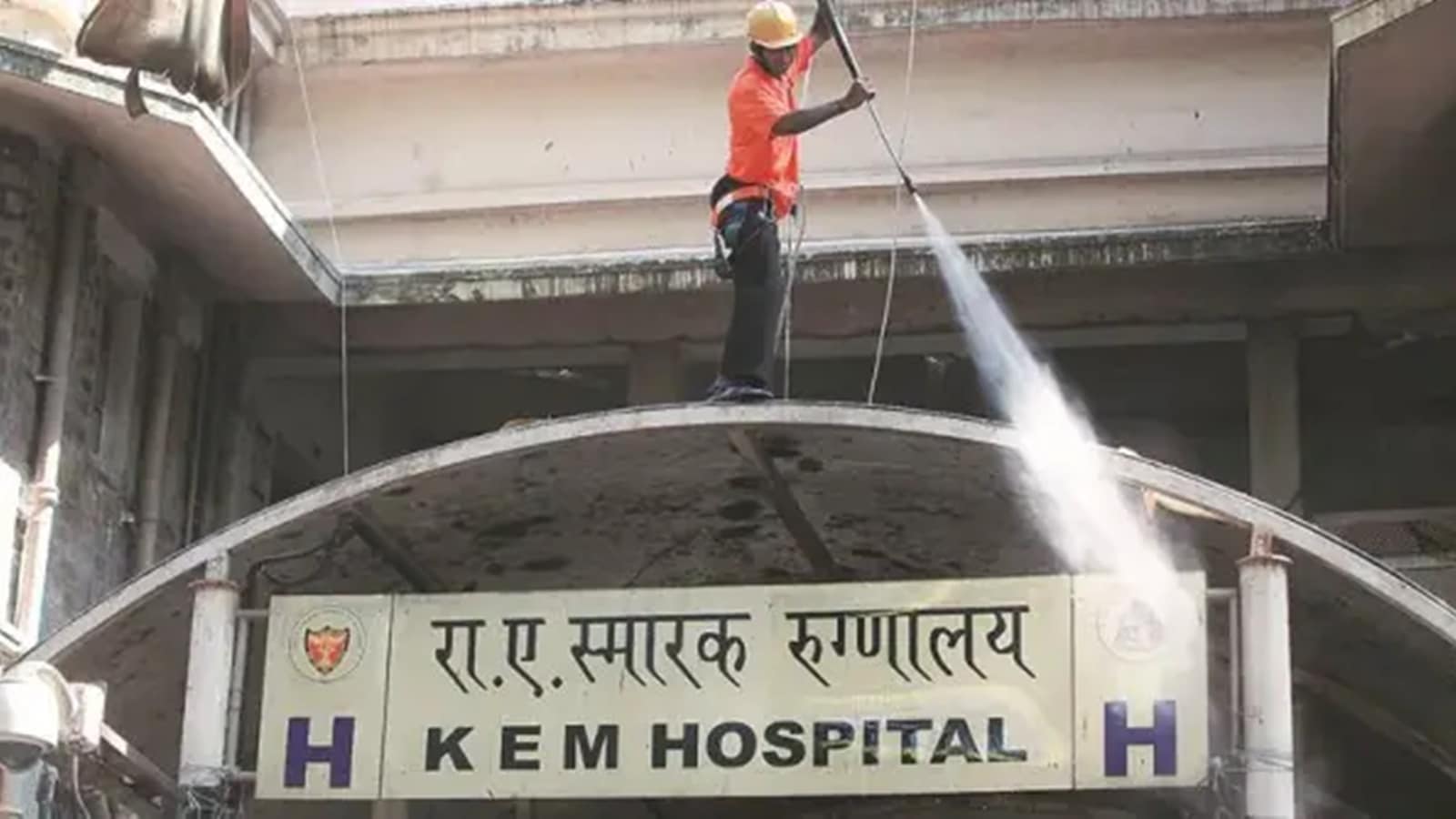
Blood collection drops 43% at Mumbai’s Shatabdi Hospital; KEM gets notice over neonatal transfusion complaints
Blood collection at the civic-run Shatabdi Hospital in Mumbai has fallen by 43 per cent over the last three years, even as Maharashtra’s blood banking regulator has issued a notice to KEM Hospital over complaints regarding the availability of blood for critically ill newborns requiring emergency exchange transfusions.
Records accessed by The Indian Express show that blood collection at Shatabdi Blood Bank declined from 1,746 units in 2022-23 to 992 units in 2025-26. Collections dropped from 1,420 units in 2023-24 to 697 units in 2024-25 before recovering marginally this year.
Hospital sources questioned the functioning of the blood bank, pointing out that despite dedicated infrastructure, specialist faculty, and medical staff, the facility currently operates only between 10 am and 5 pm and remains closed on Sundays and public holidays.
Sources also alleged that the blood bank remains underutilised despite being allotted more space than is generally required for a component separation facility. Concerns have additionally been raised over staffing arrangements, expenditure on equipment maintenance, and the increasing dependence on private blood banks to meet hospital requirements.
Another concern flagged by hospital sources is that the blood bank does not possess a licence to prepare and distribute blood components, preventing it from supplying packed red blood cells to thalassemia patients.
Data further shows that the blood bank collected only 25 units each in April and May this year.
Dr Madhusudhan Bogam, in-charge of the blood bank, attributed the decline to seasonal factors.
Story continues below this ad
“During the vacation period, colleges and institutions that usually organise blood donation camps remain closed, resulting in fewer camps and lower collections. This is a recurring issue and not specific to our hospital,” he said.
Bogam said the situation was expected to improve as educational institutions reopen and blood donation drives resume.
Meanwhile, the Maharashtra State Blood Transfusion Council (SBTC) on May 21 issued a notice to KEM Hospital after receiving complaints regarding the availability of fresh blood required for neonatal exchange transfusions.
The life-saving procedure is performed in newborns suffering from severe jaundice, blood group incompatibility, and certain other conditions, and requires freshly collected blood.
Story continues below this ad
A doctor attached to KEM Hospital’s blood bank acknowledged the challenges posed by the current shortage.
“On Friday, we received an emergency request for a two-day-old newborn requiring an exchange transfusion. The baby needed two units each of O-negative packed red blood cells and fresh frozen plasma. Since O-negative is a rare blood group, arranging blood at short notice can be difficult,” the doctor said.
Recent heatwave
SBTC Director Dr Suhas Mohnalkar said blood shortages had been aggravated by the recent heatwave, which forced several blood donation camps to be postponed.
“There is a shortage, but collections have started improving, and camps are being organised across Mumbai and the state,” he said.
Story continues below this ad
On the decline at Shatabdi Hospital, Mohnalkar said the issue was not due to a lack of donors.
“People are willing to donate blood. The challenge is organising camps and mobilising donors. Hospitals have to proactively reach out to institutions, NGOs, and community groups. The initiative has to come from the blood bank administration,” he said.
He added that blood donations are now spread across a much larger network of blood banks than in the past.
“Ten years ago, blood donation camps were concentrated among a few centres. Today, more than 150 blood banks and collection centres are conducting camps. Donations are being distributed across a much wider network,” he said.
Story continues below this ad
On concerns regarding neonatal exchange transfusions, Mohnalkar clarified that fresh blood for newborns is arranged separately from routine blood collections.
“Donors are contacted directly, and blood is collected specifically for the requirement. Such cases are managed differently from routine blood bank operations,” he said.
View original source — Indian Express ↗
More from Technology
Indian Express
TechnologyJun 7, 2026 · 1 min
Cotton sowing area likely to rise by 10-15% this kharif season: Officials
Indian Express

Indian Express
TechnologyJun 7, 2026 · 1 min
No powders, no meat: How to hit 120g of daily protein on a pure vegetarian diet
Indian Express

TechRadar
TechnologyJun 7, 2026 · 1 min
'We're really drawing a line in the sand'
TechRadar