Indian Express
Indian Express··3 min read
40% of Pak smugglers pushing drugs into Punjab located in Lahore, Kasur
4 min readUpdated: Jun 8, 2026 09:09 PM IST
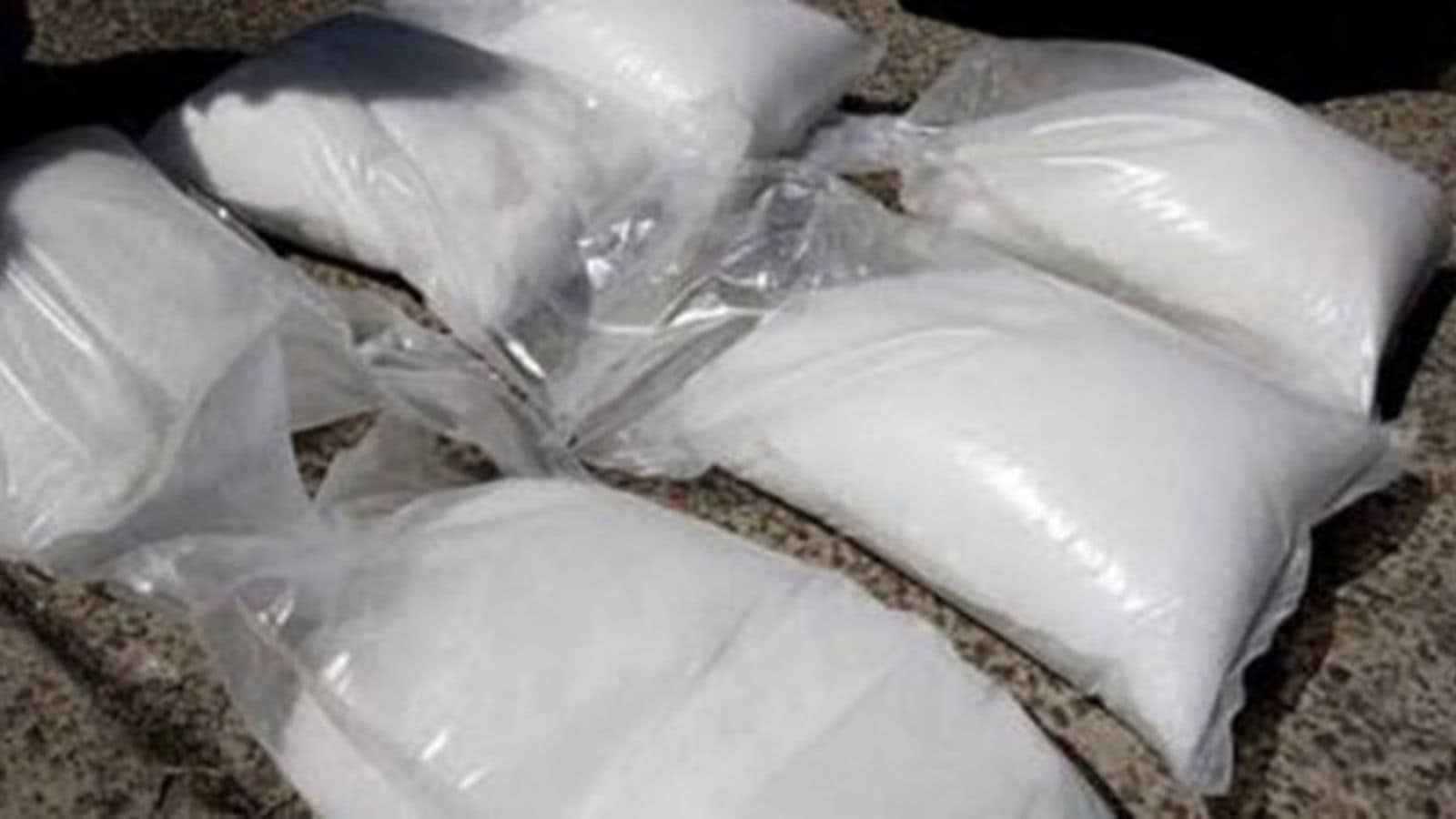
The dossier highlights multiple smuggling methods originating from the Pakistani hubs along the Indo-Pak border in Punjab. (Representative image/File Photo)
More than 40% of the 128 Pakistani drug smugglers on a watch list for pushing drugs into Indian Punjab are concentrated in just two border districts of Pakistan’s Punjab province, Lahore and Kasur. Data compiled by the Punjab Police and central agencies shows this overwhelming concentration, making the two districts the primary launchpad for narcotics trafficking into northern India.
According a dossier on Pakistani drug smugglers accessed by The Indian Express, Lahore tops the list with 27 individuals, followed closely by Kasur with 26. The two neighbouring districts, which lie directly across the India-Pakistan border, form the clear operational heartland of the network responsible for pushing heroin and other contraband into India through drone drops, land routes, and container shipments, as per the police dossier.
Many of the suspects are linked to small villages and rural clusters in these districts, including Sehjra, Nagar, Padde, Narwar, Kanganpur, Manihala Kalan, and Blackichak. Among the places from where these Pakistani smugglers operate from are tiny settlements with just 20–25 houses, indicating tightly knit, village and clan-based smuggling syndicates, as per the dossier. Common surnames such as Dogar, Jatt, Sandhu, Butt, Bhatti and Gujjar dominate the list, pointing to family and community-driven operations in the border belt.
The most prominent figure on the list is Shafkat Hussain Butt (also known as Chairman or Baga Butt), a resident of village Bhasin, and Bata Pur Jallo post office in Lahore. He is accused of actively using hexacopter drones for smuggling across the Amritsar border and is said to enjoy strong political protection. His nephew, Sohail Shaukat Butt, is a former member of National Assembly of Pakistan (2018–2023) and was also a member in the provincial assembly of Punjab.
“While a few operators are based elsewhere, including Haji alias Mustafa, alias Yusuf, in Baldia Town, Karachi, and international coordinator Bhai Jaan alias Vade Phaji in Dubai, the vast majority of the network’s foot soldiers and mid-level facilitators are concentrated in the Lahore-Kasur corridor,” a senior Punjab Police officer said.
The dossier highlights multiple smuggling methods originating from the Pakistani hubs along the Indo-Pak border in Punjab. These include large-scale drone drops (especially hexacopters) across the Punjab border. “Typically each packet of narcotics which is dropped by Pakistani drones also includes a weapon with ammunition, extra magazines or even a grenade,” a Punjab Police officer said.
The document also suggests that certain key operatives, including Shafkat Hussain Butt, are allegedly working at the behest of Pakistan state agencies like Inter Services Intelligence especially in the villages opposite Amritsar border area.
Story continues below this ad
“The concentration of Pakistani smugglers in borders areas of Punjab underscores the need for sustained intelligence-led operations and enhanced border management. While the core remains in Lahore and Kasur, the network maintains overseas facilitation nodes in Dubai, Australia, and links to Afghan nationals,” a senior official said.
Dubai-based Pakistani coordinator Bhai Jaan alias Vade Phaji, listed as one of the top three high-value targets, is explicitly identified as being in regular contact with prominent Indian drug smugglers Simaranjit Singh Sandhu and Ankush Kapoor, while also maintaining links with Tanvir Singh Bedi in Australia.
Intelligence indicates that Bhai Jaan has played a pivotal role in orchestrating the entry of Afghan nationals into India for drug-related operations and has arranged financial facilitation to secure the release of drug-laden containers at Nhava Sheva Port. This cross-border syndicate model allows Pakistani suppliers to leverage Indian criminal networks for last-mile distribution, local protection, and logistical support inside India, turning the Punjab border belt into a seamless drugs pipeline that feeds directly into the hands of domestic gangsters.
View original source — Indian Express ↗
More from newsGlobal

The Punch
PoliticsJun 8, 2026 · 1 min
Shettima’s planned visit to Ekiti shows Tinubu’s confidence in Oyebanji – APC
The Punch

The Hill
PoliticsJun 8, 2026 · 1 min
Netanyahu says Israel will strike Iran ‘whenever necessary’ after Trump’s ‘I call the shots’ remark
The Hill

The Hill
PoliticsJun 8, 2026 · 1 min
FCC chair Carr says Scott Pelley ‘completely out of touch’ for not anticipating ’60 Minutes’ firing
The Hill