
Folha de S.Paulo
Folha de S.Paulo··1 min read
Brazil Already Has Regions Unable to Replenish Groundwater
The most comprehensive analysis ever conducted of Brazil's groundwater reserves points to a persistent loss of aquifers across several regions, especially in the Northeast and Southeast. The study, published Wednesday (3) in Science Advances, shows that in many areas the water extracted from underground is not being replenished by rainfall.
The research combined NASA satellite data with meteorological and hydrological information in an artificial intelligence model to reconstruct changes in groundwater storage between 2002 and 2023. During that period, about 12% of average annual precipitation went toward aquifer recharge.
The most critical case is the Urucuia Aquifer System, in western Bahia and the São Francisco River basin. Aquifers in the Cerrado linked to the Paraná, Tocantins-Araguaia, Guarani and Serra Geral basins are also affected. The Pantanal shows a similar pattern, associated with recent agricultural expansion.
"Groundwater accounts for 98% of the water stored in Brazil," said Clyvihk Renna Camacho, of the Geological Survey of Brazil and a co-author of the study. Researchers warn that aquifer depletion could also affect rivers, whose flow partially depends on these reserves during dry periods.
Read the article in the original language
News from Brazil
Receive in your email inbox a summary of the day
View original source — Folha de S.Paulo ↗
More from newsGlobal

The Punch
PoliticsJun 8, 2026 · 1 min
Ekiti 2026: APC unveils Akpabio-Sani-led campaign council
The Punch
The Punch
PoliticsJun 8, 2026 · 1 min
VIDEO: Lagos produced Dangote, Rabiu, not Kano — Shettima
The Punch
South China Morning Post
PoliticsJun 8, 2026 · 1 min
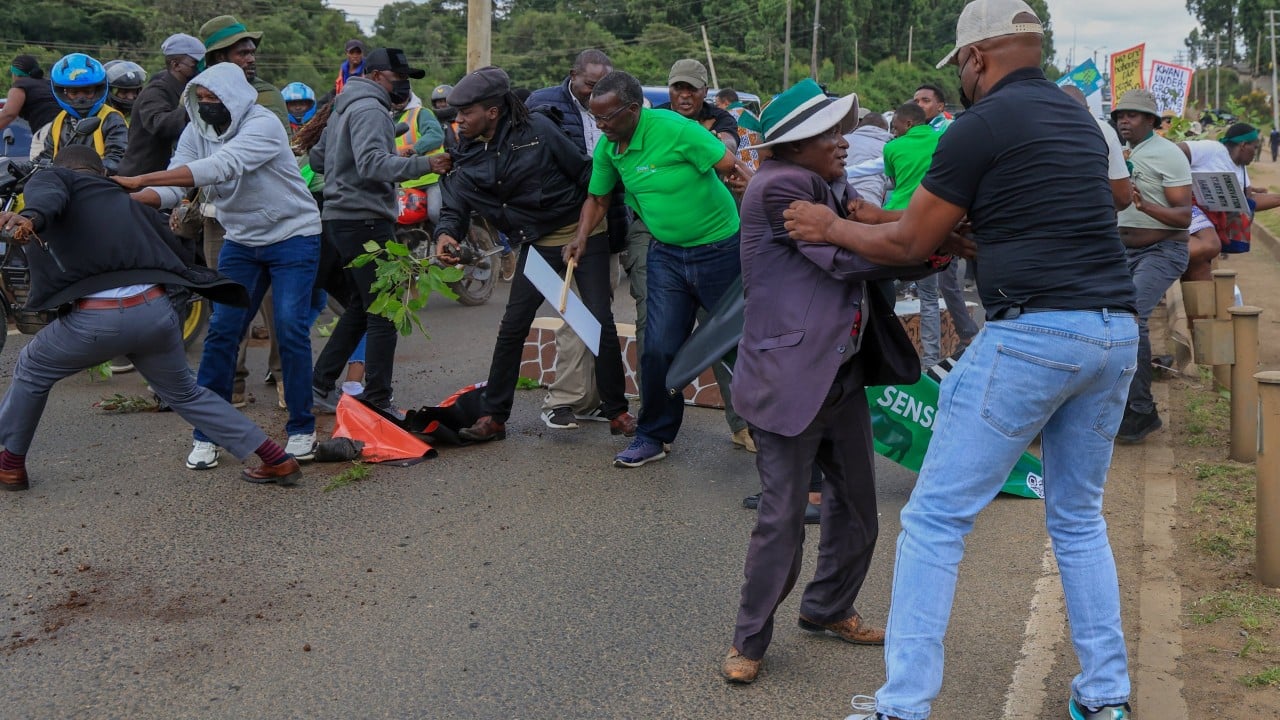
Kenya police fire tear gas, arrest ex-chief justice at national park protest
South China Morning Post