Indian Express
Kerala shigella outbreak: All about this highly contagious infection
Kerala’s recent shigella outbreak, which has affected schoolchildren in many districts and triggered heightened surveillance by health authorities, has once again drawn attention to the highly contagious bacterial infection that spreads through contaminated food, water and poor hygiene practices.
While most cases cause diarrhoea, fever and abdominal cramps, experts warn that shigellosis (illness caused by shigella bacteria) can sometimes lead to severe complications, particularly in children, older adults and people with weakened immunity. As public health teams work to contain transmission, Dr Jatin Ahuja, consultant, Infectious Disease, Indraprastha Apollo Hospital, Delhi, explains how to recognise the infection, when testing is needed, and the measures that can help prevent outbreaks in schools and communities.
What is shigella?
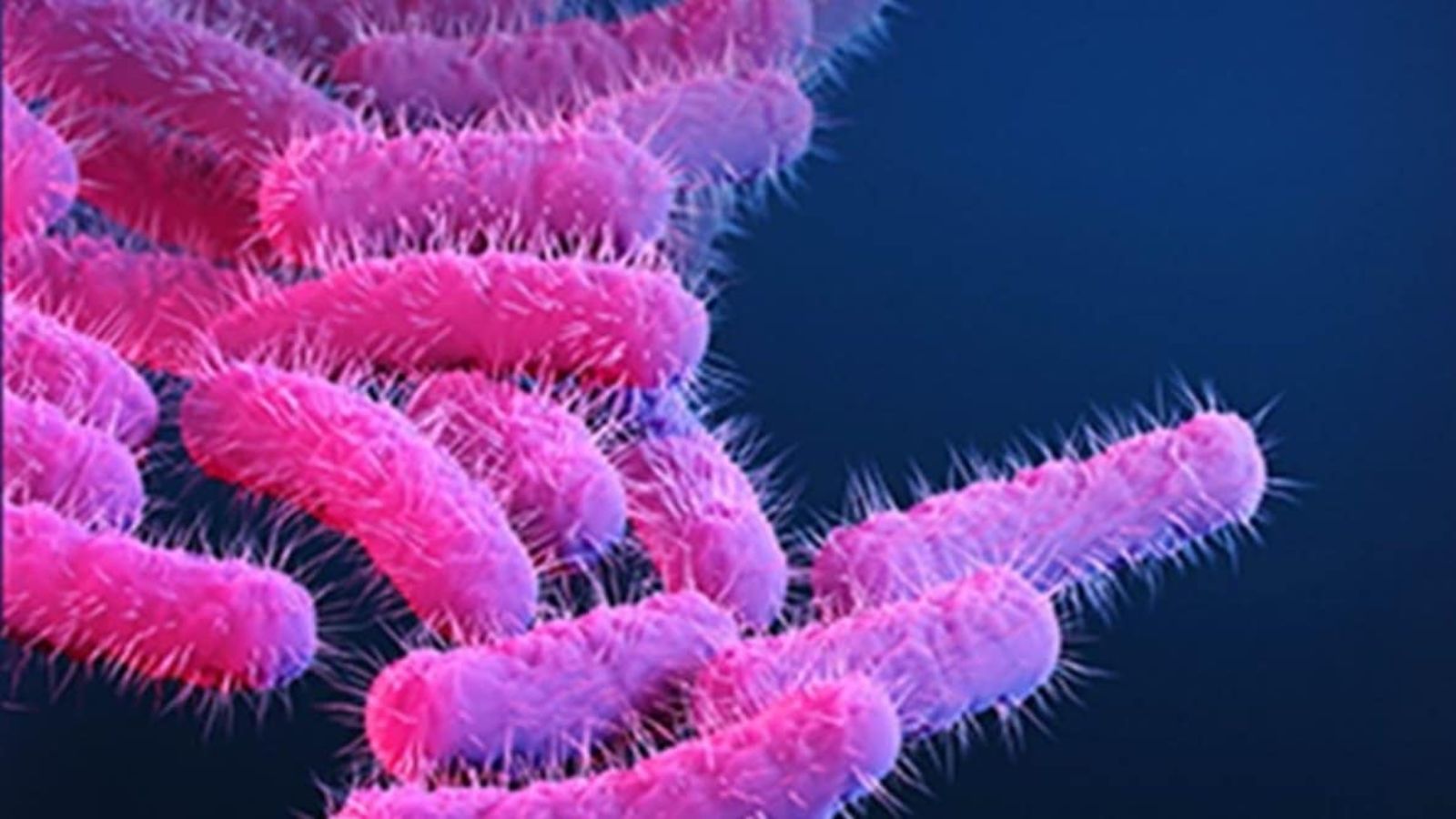
Shigella is a group of bacteria that causes an intestinal infection known as shigellosis. The infection primarily affects the digestive tract and spreads through the faecal–oral route, usually via contaminated food, water, surfaces, or unwashed hands. One reason shigella is a significant public health concern is that very few bacteria are needed to cause infection, making it highly contagious, especially in schools, daycare centres, households, and areas with inadequate sanitation.
What are the key clinical features that help distinguish shigellosis from other causes of acute gastroenteritis?
Shigellosis often presents with sudden-onset diarrhoea, fever, abdominal cramps and an urgent need to pass stools. Unlike many other causes of acute gastroenteritis, the diarrhoea may become bloody or contain mucus due to inflammation of the intestinal lining. Patients may also experience painful bowel movements and significant abdominal discomfort. The combination of fever, frequent small-volume stools, and blood or mucus in the stool can raise suspicion of shigella infection.
How is shigella typically diagnosed, and when is stool culture or molecular testing indicated?
The diagnosis is based on clinical symptoms and confirmed through laboratory testing. Stool culture remains the standard method for identifying shigella and determining antibiotic susceptibility. Molecular tests such as PCR can provide faster results and are particularly useful during outbreaks or when rapid diagnosis is required. Testing is generally recommended in patients with severe diarrhoea, bloody stools, prolonged illness, suspected outbreaks, or those at higher risk of complications.
What are the current treatment recommendations for shigella infection, including indications for antibiotic therapy?
Most patients require supportive care, including adequate hydration and electrolyte replacement. Antibiotic therapy may be considered for individuals with severe illness, high fever, bloody diarrhoea, prolonged symptoms, or those at increased risk of complications, such as young children, older adults and immunocompromised individuals. The choice of antibiotic should ideally be guided by local resistance patterns and laboratory testing, as antibiotic-resistant strains of shigella have become increasingly common in several regions.
What complications should clinicians watch out for, particularly in children, older adults, and immunocompromised patients?
The most common complication is dehydration resulting from significant fluid loss. Children and older adults may deteriorate more rapidly due to dehydration and electrolyte imbalances. In some cases, shigella infection can lead to seizures, severe intestinal inflammation, bloodstream infections or reactive arthritis. Immunocompromised individuals are at greater risk of prolonged illness and severe disease, making early recognition and appropriate management especially important.
Story continues below this ad
What factors may have contributed to the recent increase in shigella cases in Kerala, and what epidemiological patterns have been observed?
Several factors may contribute to an increase in shigella cases, including contamination of drinking water sources, inadequate sanitation, overcrowding and lapses in hand hygiene. Seasonal factors such as heavy rainfall and flooding can also facilitate the spread of waterborne infections. Shigella infections are often seen in groups, especially among school-going children, family members living in the same household, and communities where people are in close contact and share common sanitation facilities, making the infection easier to spread.
What public health measures are most important for preventing and controlling shigella outbreaks in schools and communities?
Prevention depends largely on improving hygiene and sanitation practices. Regular handwashing with soap, especially after using the toilet and before handling food, remains one of the most effective measures. Ensuring access to safe drinking water, proper sewage disposal, and safe food handling practices is equally important. During outbreaks, early identification of cases, prompt medical evaluation, temporary exclusion of symptomatic individuals from schools or food-handling activities, and public awareness campaigns can help limit further transmission and protect vulnerable populations.
View original source — Indian Express ↗
Related stories

NPR
NewsJun 8, 2026 · 1 min
Ebola outbreak spreading at an unprecedented pace, Africa CDC says
NPR

Al Jazeera
NewsJun 3, 2026 · 1 min
The Ebola outbreak the world isn’t paying attention to
Al Jazeera

Japan Times
NewsJun 16, 2026 · 1 min
Ebola cases top 800 in Congo as aid groups warn outbreak may be larger than reported
Japan Times

The New York Times
TechnologyJun 4, 2026 · 1 min
As Ebola Spreads, Scientists Race to Find Vaccines and Treatments
The New York Times