
South China Morning Post
Asean at 60: peace, prosperity and polite paralysis
Dan Rae Hugo has never heard of the Asean Petroleum Security Agreement. All he knows is that his diesel costs have doubled, his profit margins have evaporated and the rice on his neighbours’ tables now costs 20 per cent more than it did before the Iran war.
The 43-year-old has been farming the fields of Iloilo, the Philippines, for 18 years. He has never worked harder for less.
“It’s all the inputs: the diesel, the labour for operating the machines, the transportation when we harvest … It’s the highest I’ve ever seen,” Hugo said.
Some 150km (93 miles) from his farm, in the convention halls of Cebu, leaders of the Association of Southeast Asian Nations were meeting to address the very crisis threatening Hugo’s livelihood: a global energy shock affecting all 11 member states.
They agreed – as they have agreed before – to accelerate an energy security framework and push forward a regional power grid that could, in theory, stabilise electricity prices for the nearly 700 million people who call Southeast Asia home.
Philippine President Ferdinand Marcos Jnr gave voice to the urgency required. “We needed it last month. Forget about next month, six months, a year from now,” he said. “We needed it yesterday, if not sooner.”
View original source — South China Morning Post ↗
Related stories

Al Jazeera
PoliticsJun 13, 2026 · 1 min
Violence erupts at anti-government protest in DR Congo
Al Jazeera

Euronews
PoliticsJun 13, 2026 · 1 min
The passion and resurrection of Kaja Kallas
Euronews
The Guardian
PoliticsJun 13, 2026 · 1 min
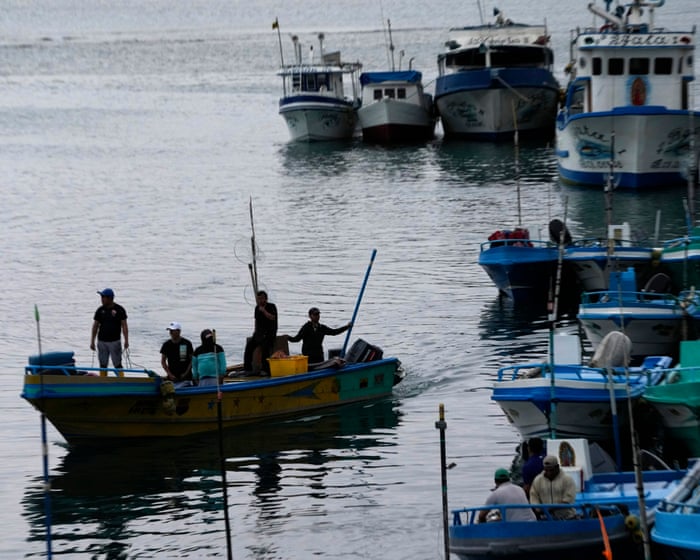
US claims it is not responsible for strikes on Ecuadorian fishing boats – so who is?
The Guardian

Lovin Malta
PoliticsJun 13, 2026 · 1 min
LGBTIQ+ Coalition Questions Why EuroPride Attack Was Not Prosecuted As A Hate Crime
Lovin Malta