South China Morning Post
Why Japan’s Russia outreach could fuel G7 concern over unity: ‘bad signal’
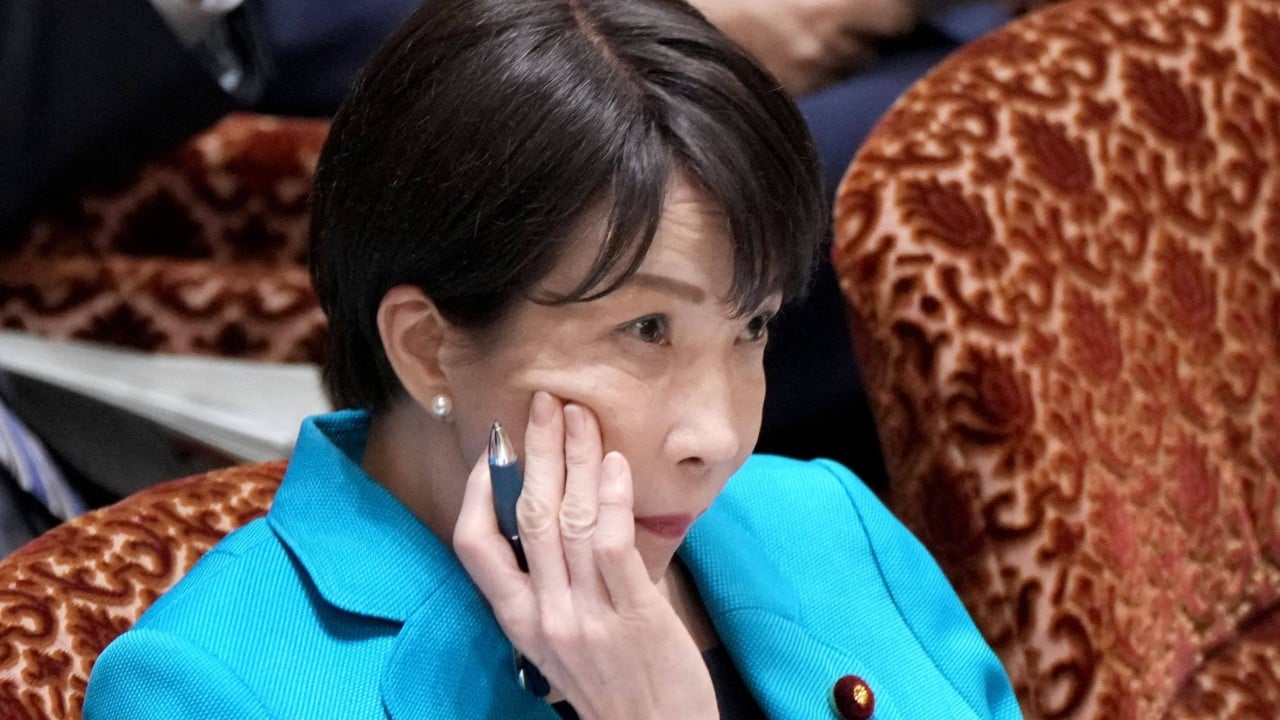
As Japanese Prime Minister Sanae Takaichi heads to the G7 meeting in France next week, she is expected to hear rumblings of discontent over Tokyo’s apparent diplomatic outreach to Moscow.
With European Union member states and most Nato nations united in their resolve to push back on Russia’s ongoing aggression against Ukraine and isolate Moscow, Japan’s very different approach to Vladimir Putin’s regime has not been overlooked.
Senior officials from Japan’s foreign and trade ministries travelled to Moscow for a two-day visit in May and held talks with their Russian counterparts, with representatives from the Japan Business Federation also present. Five of Japan’s largest business conglomerates were also invited but none joined the mission.
Foreign Minister Toshimitsu Motegi dismissed criticism of Tokyo’s outreach to Moscow, saying it was important to maintain contact even in times of conflict.
European governments will also have noted that Muneo Suzuki, a politician from the ruling Liberal Democratic Party in Hokkaido, has been attempting to arrange a meeting between the foreign ministers of Japan and Russia in July and was in Moscow for discussions last month.
Local media reported on Thursday that Japan was close to reaching an agreement with the US to extend an exemption that would allow Tokyo to continue importing crude oil and liquefied natural gas from Russia’s Sakhalin 2 project. With the conflict in the Middle East flaring up again, Japan is desperate to continue importing Russian energy.
View original source — South China Morning Post ↗
Related stories

Al Jazeera
PoliticsJun 13, 2026 · 1 min
Violence erupts at anti-government protest in DR Congo
Al Jazeera

Euronews
PoliticsJun 13, 2026 · 1 min
The passion and resurrection of Kaja Kallas
Euronews
The Guardian
PoliticsJun 13, 2026 · 1 min
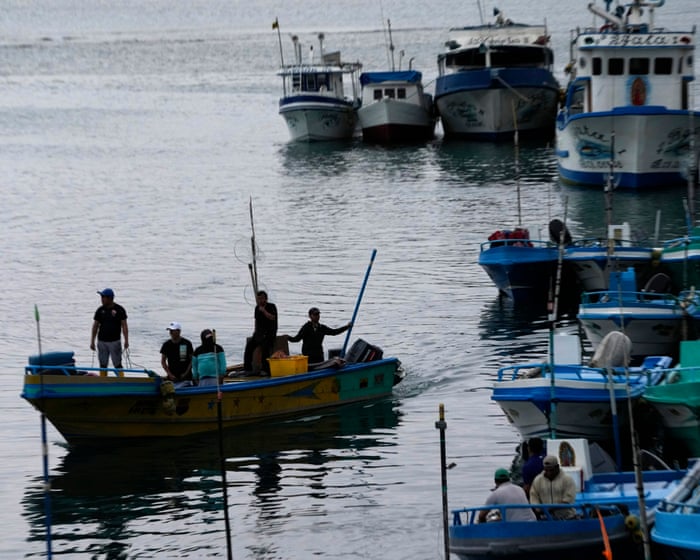
US claims it is not responsible for strikes on Ecuadorian fishing boats – so who is?
The Guardian

Lovin Malta
PoliticsJun 13, 2026 · 1 min
LGBTIQ+ Coalition Questions Why EuroPride Attack Was Not Prosecuted As A Hate Crime
Lovin Malta