Indian Express
How Obsession and Backrooms are shaking up Hollywood — and exposing Bollywood’s fear factor
6 min readJun 13, 2026 02:13 PM IST
First published on: Jun 13, 2026 at 02:13 PM IST
Much before established masters Steven Spielberg and Christopher Nolan released their latest movies — Disclosure Day on June 12 and The Odyssey on July 17, respectively — Hollywood has experienced an upheaval with two indie horror films from Gen Z filmmakers — Obsession directed by Curry Barker and Backrooms by Kane Parsons — becoming major international successes. The success of YouTubers-turned-filmmakers, many assume, signals the beginning of a new phase for Hollywood that might challenge conventions.
Writer-director Vasan Bala believes that it’s not Hollywood which bet on Barker and Parsons. “These young filmmakers betted on themselves. Instead of reacting to their success, film professionals should react to their process. All this boils down to originality in filmmaking,” says the Mard Ko Dard Nahi Hota (2018) director. The Hindi film industry, according to him, shows a similar reactionary attitude when a Dhurandhar, Animal or Saiyaara becomes a major hit and tries to decode what worked for these movies. “The breakout films themselves, however, didn’t follow formulas or tropes,” says Bala.
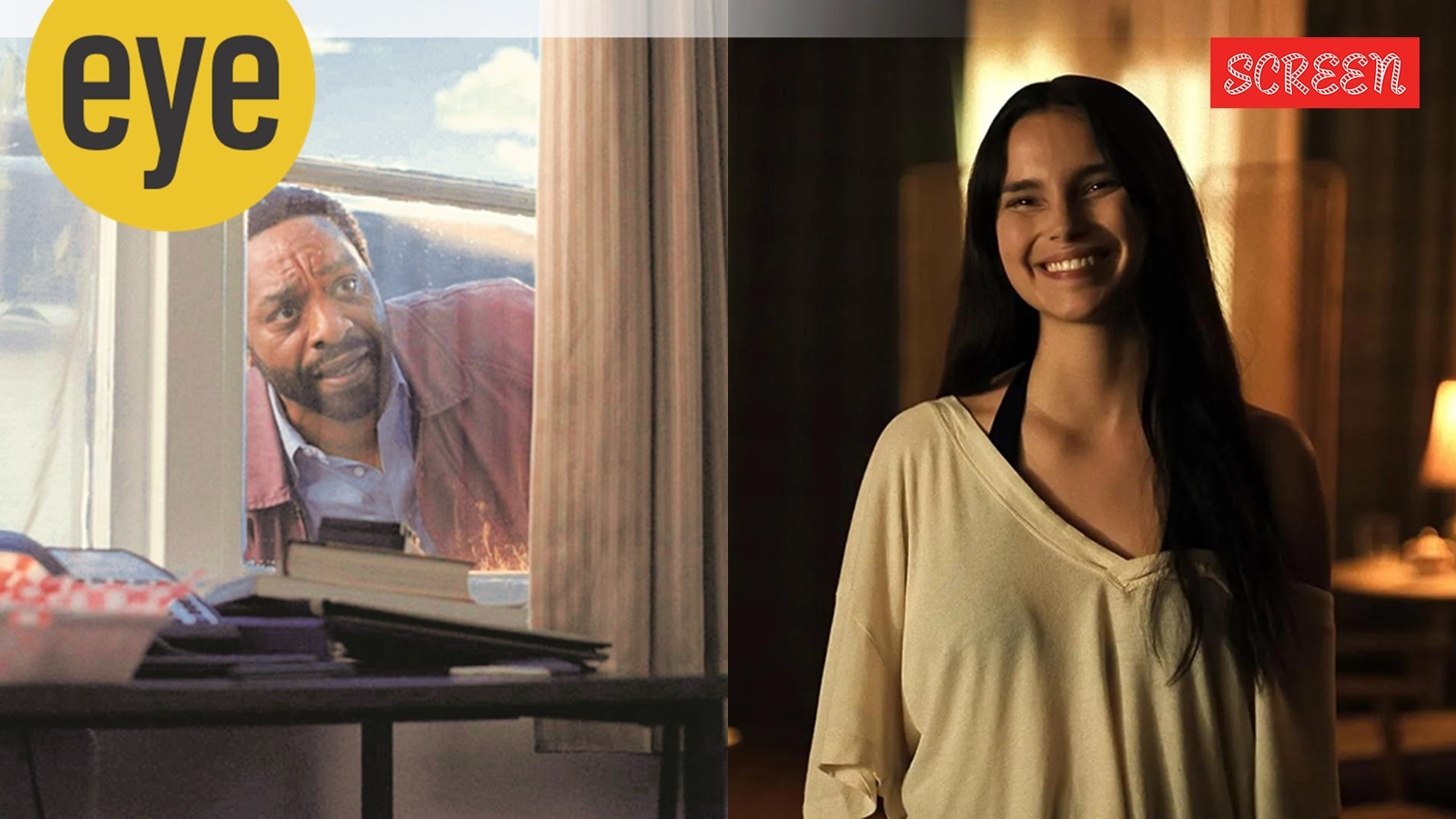
Obsession, a psychological horror movie written and directed by 26-year-old Barker, follows a lonely music store employee who uses ‘One Wish Willow’ to win the love of his long-time crush. Backrooms, which is based on 20-year-old Parson’s web-series by the same name, follows a furniture store owner (Chiwetel Ejiofor) who finds a secret doorway that leads him to a seemingly endless stretch of nondescript rooms. Both these inventive movies have generated incredible buzz and outshined recent releases The Mandalorian and Grogu and Masters of the Universe.
A still from Backrooms
Indian filmmakers who are ‘obsessed’ with playing safe, however, might not be taking a leaf out of their success just yet. The current ecosystem is “risk-averse”. Greenlighting a project often depends on how commercially viable a project is perceived to be and whether a streaming platform expresses interest in it.
Writer-director Arati Kadav believes that “there is a lot of plurality in the Indian industry” and is hopeful that “there will be producers who would believe in nurturing unique minds and radical ideas”. Director of sci-fi feature Cargo (2019) and social drama Mrs. (2025), Kadav says: “They (makers) could put their might behind someone inventive. Currently, however, all ideas get funnelled down to categories which most platforms feel ‘safe’ about.” The engineer-turned-filmmaker adds that she does meet people who say they want to do something cool but “eventually all they greenlight are very safe stories”.
What stops most Indian filmmakers from taking that leap of faith and backing a radical idea is the perennial concern about a film’s commercial prospects. “Such concerns have made our industry timid in our choices. I want to see a big production house take a chance where I would feel: ‘Wow, where did they find the madness to go all the way out on stories like this’. That’s what I felt when I watched Everything Everywhere All At Once (2022) or, Project Hail Mary (2026). One of the Indian filmmakers, who did something insane is SS Rajamouli and his machinery put their might behind his vision.”
Pointing out that before Stree (2018) became a franchise and horror-comedy became a bankable genre, the movie was considered a risky proposition, Bala says, the real issue is whether filmmakers are given the space to pursue their process. “If you create the safest environment for artists, they’ll be the laziest people in the world. The industry will probably react to a new thing with a lot of suspicion. The filmmaker then has to go beyond the suspicion,” he says. Advocating “relentlessness of process”, the Monica, O My Darling (2022) director says the filmmakers have to relentlessly go about writing their stories, pitching them and finding creative partners.
A still from Obsession.
Gaurav Dhingra, producer of Stolen, strongly believes the real crisis facing cinema today is not financing or distribution but storytelling itself. “It’s coincidental that two horror films have come at the same time, but what is really working is audience engagement.” Audience choices, he believes, have undergone a significant change in the age of streaming and social media. In such a scenario, a compelling story that’s told in an engaging manner can keep the audience hooked. “In a year, we get about 300 scripts. We’ve analysed each one of them. How many of them even make the cut-off? It’s five scripts out of 300.”
Trends in cinema are often cyclical. Horror-comedies can replace social dramas but later make way for hyper-masculine action films. “The next breakthrough almost always comes from somewhere unexpected. We are in a state of constant change and no one knows when the next wave is going to come,” says Bala. To facilitate such a wave, instead of being risk-averse producers have to collaborate on projects, believes Dhingra. “No external body will provide us with an infrastructure. We have to take care of it,” he says.
With the world of technology and entertainment evolving, now it’s easier to make a film. “I look forward to the younger crop (of filmmakers) and how they will do something disruptive. I myself actively think everyday, how can I make a strong genre film, self fund it, make it outside the system and still figure a way for it to have mainstream access. But I hope one day the system makes room for this and we don’t have to feel like we need to disrupt it,” says Kadav.
View original source — Indian Express ↗
Related stories
Indian Express
EntertainmentJun 13, 2026 · 1 min
Why Anju Mahendru never married after her epic romance with Rajesh Khanna
Indian Express

Deadline
EntertainmentJun 13, 2026 · 1 min
Kristin Scott Thomas Talks ‘Slow Horses’ And Teases Her Second Movie As Writer & Director — Monte-Carlo TV Festival
Deadline
Indian Express
EntertainmentJun 13, 2026 · 1 min
Amid Don 3 row, Saif Ali Khan says Farhan Akhtar ‘was born to direct’
Indian Express

Daily Trust
EntertainmentJun 13, 2026 · 1 min
Lassa Fever claims 15 lives in Edo
Daily Trust