Indian Express
Indian Express··3 min read
Content of national importance, security clearance for key posts: What’s in I&B ministry’s draft rules for TV, radio
3 min readNew DelhiJun 13, 2026 02:27 PM IST
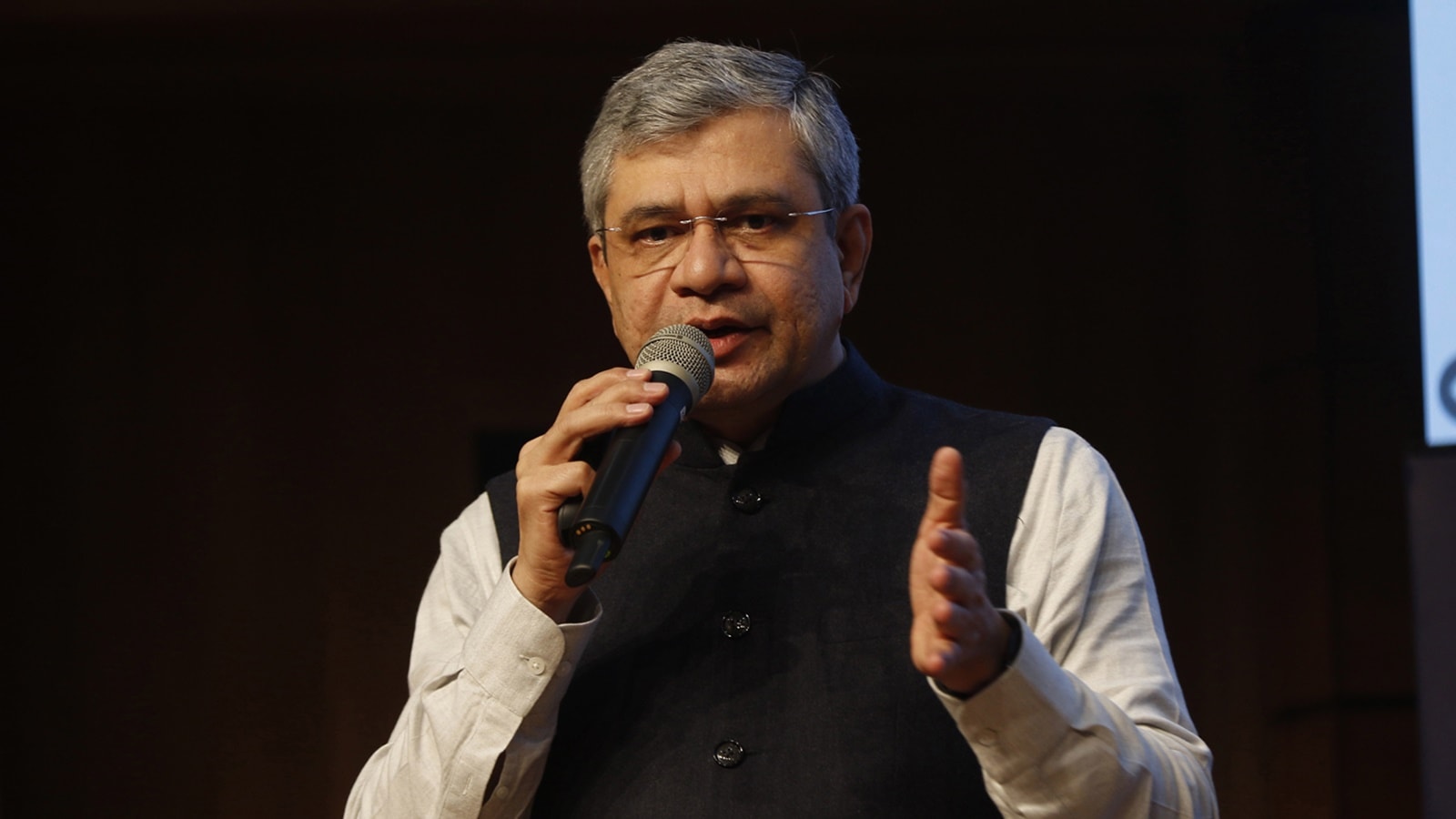
The rules state that private radio services must remain free-to-air, emphasising they cannot charge listeners for access. (File Photo)
TV channels should air 30 minutes of content daily between 6 am and 11 pm on themes of national importance, private FM stations should broadcast at least an hour of programme of “social relevance”, and appointments of key managerial personnel should be made after security clearance: These are some of the draft rules the Information & Broadcasting (I&B) ministry has published for the telecommunications sector.
The draft Telecommunications (Television, Radio and Associated Services) Rules, 2026, consolidate various existing guidelines governing television, radio, and related services, replacing the regulatory framework that operated under the Telegraph Act of 1885. Stakeholders have been invited to submit comments on the draft rules by July 27.
The proposed rules will cover television channels, Direct-to-Home (DTH) services, Headend-in-the-Sky (HITS) platforms, teleport, private FM radio, community radio stations, news agencies supplying footage to television, and Internet Protocol Television (IPTV) services under the Telecommunications Act, 2023.
The rules mandate that TV channels should air at least 30 minutes of content every day on themes of national importance and social relevance between 6 am and 11 pm. The topics suggested range from education, agriculture and healthcare to science, women’s welfare, environmental protection and national integration.
Television channels would also be required to stay active throughout the validity of their authorisation, according to the draft rules. Channels going off air for more than 60 consecutive days must notify the government and provide an explanation of the reasons, they added. Their authorisation can lapse if operations remain suspended for over 90 continuous days.
Private FM stations would need to broadcast at least an hour of programmes of “social relevance” while ensuring that at least 20% of their daily content is locally produced.
The rules state that private radio services must remain free-to-air, emphasising they cannot charge listeners for access.
Story continues below this ad
The draft rules propose an authorisation period of 10 years for television channels, teleports, television news agencies and community radio services, 15 years for private FM radio operators, and 20 years for television channel distribution services.
The draft rules state that the entities that already hold internet service authorisations or multi-system operator registrations would be able to offer IPTV services after they file a declaration with the government, thus simplifying their market entry.
IPTV enables the delivery of television content over internet protocol networks instead of transmitting over traditional terrestrial, satellite, or cable television formats.
Significantly, the rules mandate broadcasters to disclose information related to “landing-page placements” to both the government and television ratings agencies.
Story continues below this ad
Other compliance-related requirements include preservation of recordings of programmes and advertisements for 90 days by broadcasters and furnishing them to authorities when requested. The rules also state that any ownership switch that leads to key management changes would need government approval in advance.
The rules mandate that broadcasters, key managerial personnel and governing body members would need security clearance till the time their authorisations are valid.
Foreign personnel involved in installation, maintenance or operation of broadcasting networks would also need security clearance before deployment.
Amrita Nayak Dutta writes on defence and national security as part of the national bureau of The Indian Express. In the past, Amrita has extensively reported on the media industry and broadcasting matters, urban affairs, bureaucracy and government policies. In the last 14 years of her career, she has worked in newspapers as well as in the online media space and is well versed with the functioning of both newsrooms. Amrita has worked in the northeast, Mumbai and Delhi. She has travelled extensively across the country, including in far-flung border areas, to bring detailed reports from the ground and has written investigative reports on media and defence. She has been working for The Indian Express since January 2023. ... Read More
Tags:
Information and Broadcasting ministry
View original source — Indian Express ↗
Related stories

ESPN
SportsJun 13, 2026 · 1 min
Balogun makes this USMNT side better, including it...
ESPN

ESPN
SportsJun 13, 2026 · 1 min
What's gone wrong for the Cubs -- and if they can ...
ESPN

ESPN
SportsJun 13, 2026 · 1 min
How 34 generations of ancient warrior training sha...
ESPN

The Punch
NewsJun 13, 2026 · 1 min
Soldiers destroy terrorist camp, rescue three hostages in Zamfara
The Punch