Times of India
US and Iran prepared for a ground war over uranium before truce talks drew closer: Report
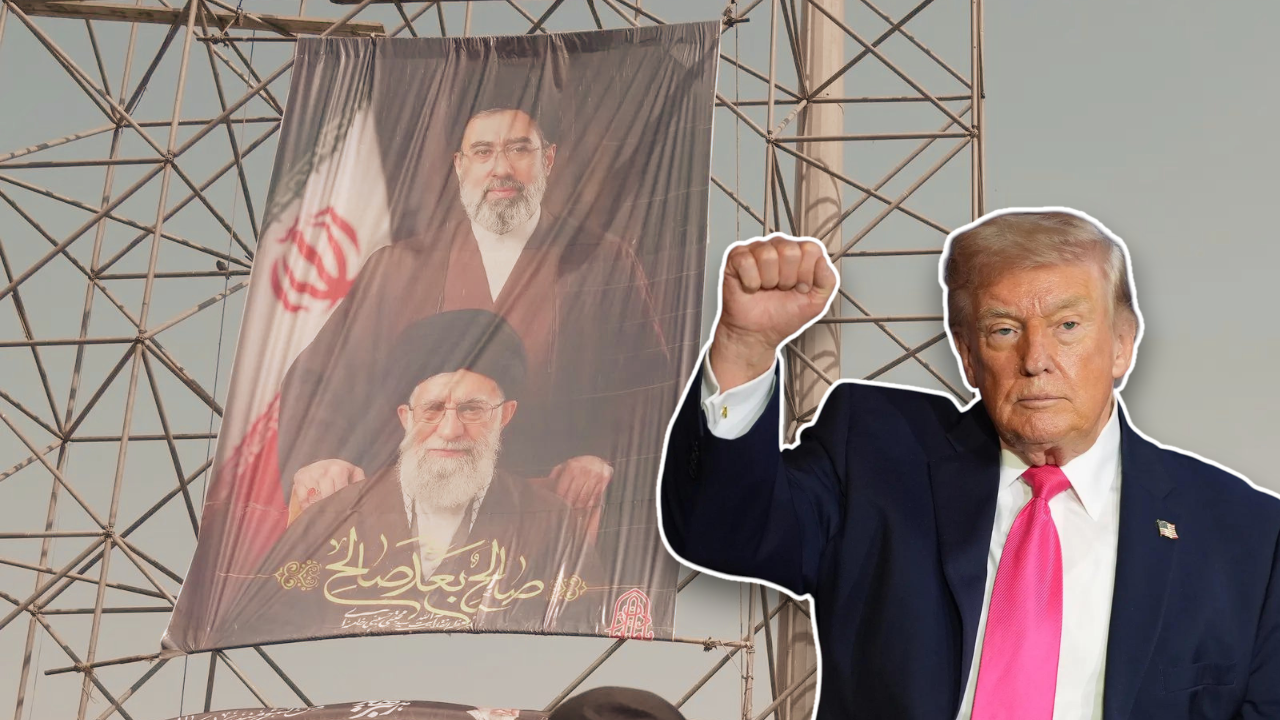
The United States and Iran appear closer than ever to signing a deal aimed at ending months of conflict across the Middle East. Pakistani Prime Minister Shehbaz Sharif said on Friday that Washington and Tehran had agreed on a "final, agreed upon text", while Iranian Foreign Minister Abbas Araghchi said peace had "never been closer".Yet behind the diplomatic optimism lies a striking reality. As negotiators edged towards an agreement, both sides were simultaneously preparing for the possibility that talks could collapse and the conflict could intensify.CNN reported that the Trump administration came remarkably close to authorising a risky military operation to seize Iran's highly enriched uranium stockpile, while Tehran strengthened defences around key nuclear sites and weighed economic retaliation that could have disrupted global trade routes.
A military option that came close
According to CNN, senior US military leaders spent weeks developing plans for a ground operation inside Iran aimed at capturing the country's stockpile of highly enriched uranium, material that could potentially be used in nuclear weapons.The preparations became so urgent that General Dan Caine, Chairman of the Joint Chiefs of Staff, reportedly flew from a NATO meeting in Brussels to US Central Command headquarters in Florida on May 19 for in-person briefings.
CNN reported that Caine later presented options directly to President Donald Trump.The proposed operation was viewed as one of the most dangerous military options under consideration. US military commanders reportedly assessed the mission as carrying a "High to Extreme" level of risk because of the likelihood of American casualties and the complexity of securing uranium buried deep inside fortified nuclear facilities.Trump ultimately paused the plan after advisers warned that it could provoke severe Iranian retaliation, prolong the war and further damage the global economy. Despite that decision, CNN reported that the option has not been entirely ruled out.
Iran fortified its nuclear assets
While Washington examined military options, Iran was making it significantly harder for anyone to access its nuclear stockpile.CNN reported that Iranian authorities collapsed tunnels, sealed underground passages and allegedly planted explosive mines around sites believed to contain near bomb-grade uranium.
Much of the material is thought to be stored beneath facilities at Isfahan, Natanz and Fordow.The fortifications have complicated efforts to remove the uranium, even if Tehran eventually agrees to surrender it. Nuclear experts told CNN that retrieving the material would require specialised excavation equipment, de-mining operations and extensive verification procedures.
Peace talks advance despite deep divisions
Despite the military preparations, diplomacy appears to be gaining momentum.Araghchi said an initial agreement could soon be signed to end the conflict, with negotiations on Iran's nuclear programme continuing during a 60-day implementation period. US officials have similarly indicated that technical arrangements regarding uranium removal would be worked out after a broader political agreement is reached.However, major differences remain. US officials say Iran would need to dismantle elements of its nuclear programme, reopen the Strait of Hormuz and end support for proxy groups before receiving sanctions relief.
Iranian officials have offered a different account, insisting that frozen Iranian assets should be released and maintaining that Tehran's nuclear programme remains peaceful.CNN also reported that Iran has considered its own escalation options should talks fail, including using Yemen's Houthi movement to threaten shipping through the Bab al-Mandab Strait, one of the world's most important maritime trade routes.
View original source — Times of India ↗
Related stories

Daily Trust
PoliticsJun 13, 2026 · 1 min
Peter Obi: Nnamdi Kanu Shouldn’t Be In Prison
Daily Trust

Straits Times
PoliticsJun 13, 2026 · 1 min
Protesters tear down Albanian development site fences, amid anger over coastal projects
Straits Times

Philippine Daily Inquirer
PoliticsJun 13, 2026 · 1 min
PBBM entrusts PH hopes, struggles to Our Lady of Guadalupe
Philippine Daily Inquirer

The Hindu
PoliticsJun 13, 2026 · 1 min
Watch: U.S.-Iran peace deal signing expected within 24 hours, says Pakistan PM Shehbaz Sharif
The Hindu