Times of Israel
Times of Israel··3 min read
Rooftop installation brings searing Oct. 7 imagery and poignant lyrics to Azrieli Mall
‘We Will Rise,’ opened June 9 and running through October, pairs texts by writer and poet Noam Horev with Ziv Koren’s photographs in a 45-minute journey through trauma and resilience
By Jessica Steinberg
You will receive email alerts from this author.
Manage alert preferences on your profile page
You will no longer receive email alerts from this author.
Manage alert preferences on your profile page
Today, 4:47 pm
Edit
Jessica Steinberg, The Times of Israel's culture and lifestyles editor, covers the Sabra scene from south to north and back to the center
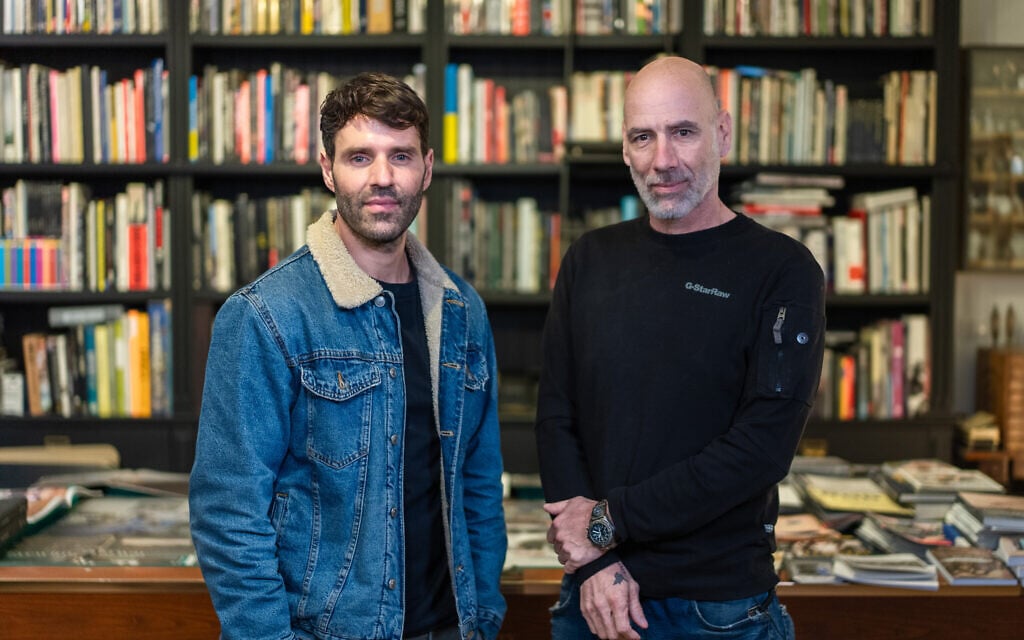
For nearly three years, lyricist Noam Horev and photographer Ziv Koren have used their respective crafts to portray the stories of Israelis affected by the Hamas massacres of October 7, 2023.
“I became a father in October 2023, and my partner was on reserve duty, and I ran away to my writing,” Horev told The Times of Israel. “I felt this need to write my emotions about the feelings of the nation and the optimism that you still sometimes felt.”
Koren, a photojournalist, took his motorcycle south on October 7 to capture the unfolding horrors of the Hamas massacre.
Now the two have partnered with the Azrieli Group to present “We Will Rise,” an emotional, multi-layered installation that opened June 9 and will remain on view through October.
The exhibit is on display in a roughly 500-square-meter (roughly 5,400-square-foot) gallery purpose-built for the show on the roof of Tel Aviv’s Azrieli Mall.
Get The Times of Israel's Daily Edition
by email and never miss our top stories
By signing up, you agree to the terms
The installation features 10 large-scale structures, each one featuring narrated text written by Horev over Koren’s photographs — images that are familiar, sometimes traumatic, often haunting.
Throughout the approximately 45-minute tour, visitors move through the different stations equipped with a personal audio system in Hebrew or English.
Portrayed are moments from October 7 as soldiers witness the destruction and devastation, later as Israelis struggled to bring home the 251 hostages abducted to Gaza, and as the country turned itself into a volunteer force to help those in need.
Other images resonate as well: a wall of stickers of those who were killed, a pile of hostage dog tags, photos of the injured and maimed as they rehabilitate themselves, the face of former hostages Gadi Mozes in the potato field of his beloved Kibbutz Nir Oz.
Horev’s words give voice to the visuals, and are sometimes intertwined with the testimony of others — such as surveillance soldiers who write about the first moments of their abduction, when they wondered whether they were alive or dead.
The exhibit’s end holds powerful scenes of the hostages’ return home, their reunions, and their gradual return to daily life.
“We had been looking for a way to give an artistic platform of what we’ve all been through,” said Danna Azrieli, CEO of the Azrieli Group. “We’re trying to create images and photographs where everyone finds themselves.”
Both Koren and Horev published books about this period; Koren’s latest is “The Return in October,” a new photography book that follows his previous volume, “The Seventh of October.”
While some of Horev’s texts and poems were written for the installation, others were drawn from his book “Transparent Threads.”
Koren calls the installation “an attempt to engage with the living memory of this period — its pain and loss, but also its vitality and the capacity to rise.”
Horev and Koren were already acquainted and were tossing around different ideas when Azrieli joined the project.
“You’re always a little worried when a big organization joins, because you worry that it might lose its soul,” said Horev. “But it was so important to them to commemorate these moments, they really put art at the forefront.”
“This nation is a miracle,” said Horev. “They tried to chase us and kill us, but we’re still here and still having kids and growing fields and rebuilding houses. There are so many problems, but it’s the people that you feel. So this project is a song of tribute to this nation.”
If you’d like to comment, join
The Times of Israel Community.
View original source — Times of Israel ↗
Related stories

The Punch
SportsJun 13, 2026 · 1 min
Slovan Bratislava name Yaya Touré as new head coach
The Punch
The Punch
NewsJun 13, 2026 · 1 min
Anambra arrests pastor over child trafficking, underage marriage, wife-snatching claims
The Punch
The Punch
NewsJun 13, 2026 · 1 min
Anambra demolishes collapsed building, warns builders over safety violations
The Punch
The Punch
NewsJun 13, 2026 · 1 min
Insecurity: Ogun on high alert, deploys technology to tackle threats
The Punch