Indian Express
Indian Express··2 min read
How ‘Heirloom Cities: Kolkata’ captures the soul of the city through food, memory and myth
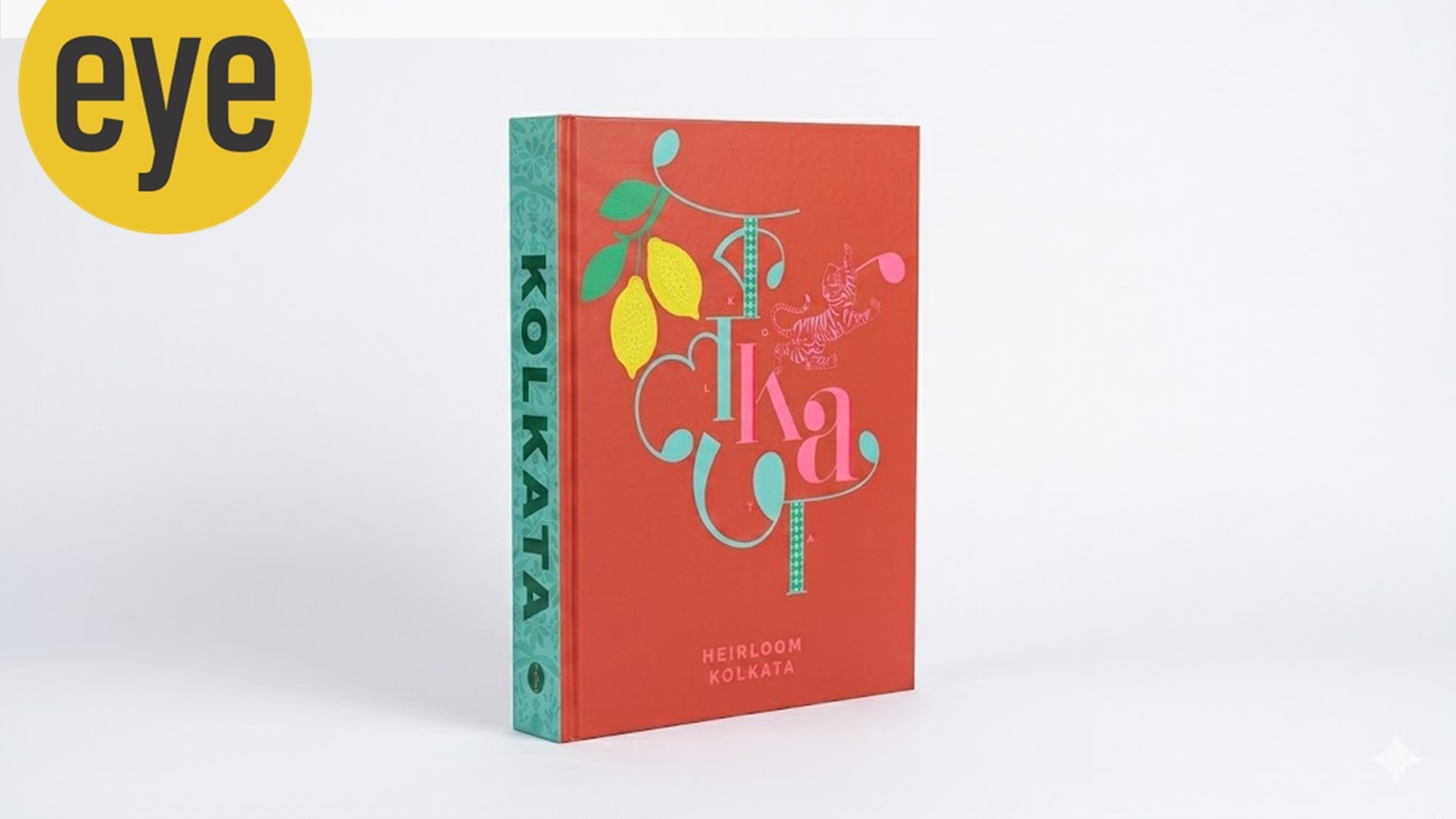
Heirloom Cities: Kolkata traverses a city from the lens of its culinary heritage.
3 min readJun 13, 2026 07:51 PM IST
First published on: Jun 13, 2026 at 07:51 PM IST
Buried in the glossy pages of Heirloom Cities: Kolkata one finds the phrase New Market e bagher doodho pawa jaye (In New Market, you can find even a tigress’ milk), which shows how in the City of Joy, myth and fact have always been comfortable neighbours, argued over cups of cha and folded into inherited recipes.
Sri Bodanapu, who founded this imprint out of San Francisco, found in Kolkata a rich subject. The first volume on Mumbai won the Gourmand Awards and this second volume confirms it was not a fluke. He writes, “Our food is extremely regional: no two cities share the same history, influences, or culinary evolution, and Kolkata is a powerful reminder of this.”
The editors, Madhushree Basu Roy and Anindya Basu, write in their foreword that “the goal wasn’t to create another cookbook, but to capture the soul of the city through its food.” Their Kolkata is built from morning fish markets and Mughlai kitchens, from Park Street’s iconic restaurants alongside contemporary cafés, from the Chinese eateries of Tangra carrying forward generations of quiet, stubborn dreaming, from sweet shops where sweets transcend dessert to become “pure emotion.” The writing weaves between the personal and the historical without losing its footing.
A six-part culinary history runs through everything — from early Bengal of the 13th century through colonial transformation, Mughlai influence, and the confluence of cultures that made this city unlike any other, landing finally in contemporary Kolkata.
The book draws on an accomplished roster of contributors — Malini Banerjee, Amrita Das, Priyadarshini Chatterjee, Pinaki Bhattacharya and Dolon Dutta Chowdhury — each bringing a distinct voice to a city that has never suffered from a shortage of opinions about its own food.
What makes the book different from other coffee table or recipe books is the considered choice of not standardising the measurements, giving weight to a grandmother’s pinch and an aunt’s “until it feels right.”
A jhal muri seller in a park in Kolkata. (Source: Heirloom Cities)
And then there is the mouthwatering street food, including the telebhaja or the deep-fried fritters, onomatopoeic phuchka and the jhal muri, which made a political debut in the assembly elections this year.
The photography is the real standout as the editors forego the usual marble countertops and pristine overhead shots of ingredients arranged like jewellery, instead we get photographs that reveal the throbbing heart of a city and its people, such as hand gripping a newspaper cone and an older woman lifting steamed buns from a vast pot, steam rising around her.
Heirloom Cities: Kolkata is a luxury object, and Bodanapu’s press materials call it a print collectible and the production value lives up to it. One might raise an eyebrow at that framing for a book so devoted to street corners and home kitchens. But then, the tiger’s milk was always going to cost you something. The question is whether it is worth it. It certainly is.
View original source — Indian Express ↗
Related stories

The Punch
NewsJun 13, 2026 · 1 min
Anambra arrests pastor over child trafficking, underage marriage, wife-snatching claims
The Punch
The Punch
NewsJun 13, 2026 · 1 min
Anambra demolishes collapsed building, warns builders over safety violations
The Punch
The Punch
NewsJun 13, 2026 · 1 min
Insecurity: Ogun on high alert, deploys technology to tackle threats
The Punch

ESPN
SportsJun 13, 2026 · 1 min
Russell edges out Hamilton for pole; Antonelli thi...
ESPN