Indian Express
A hidden liver compass may help pigeons navigate long distances
3 min readNew DelhiJun 13, 2026 09:00 PM IST
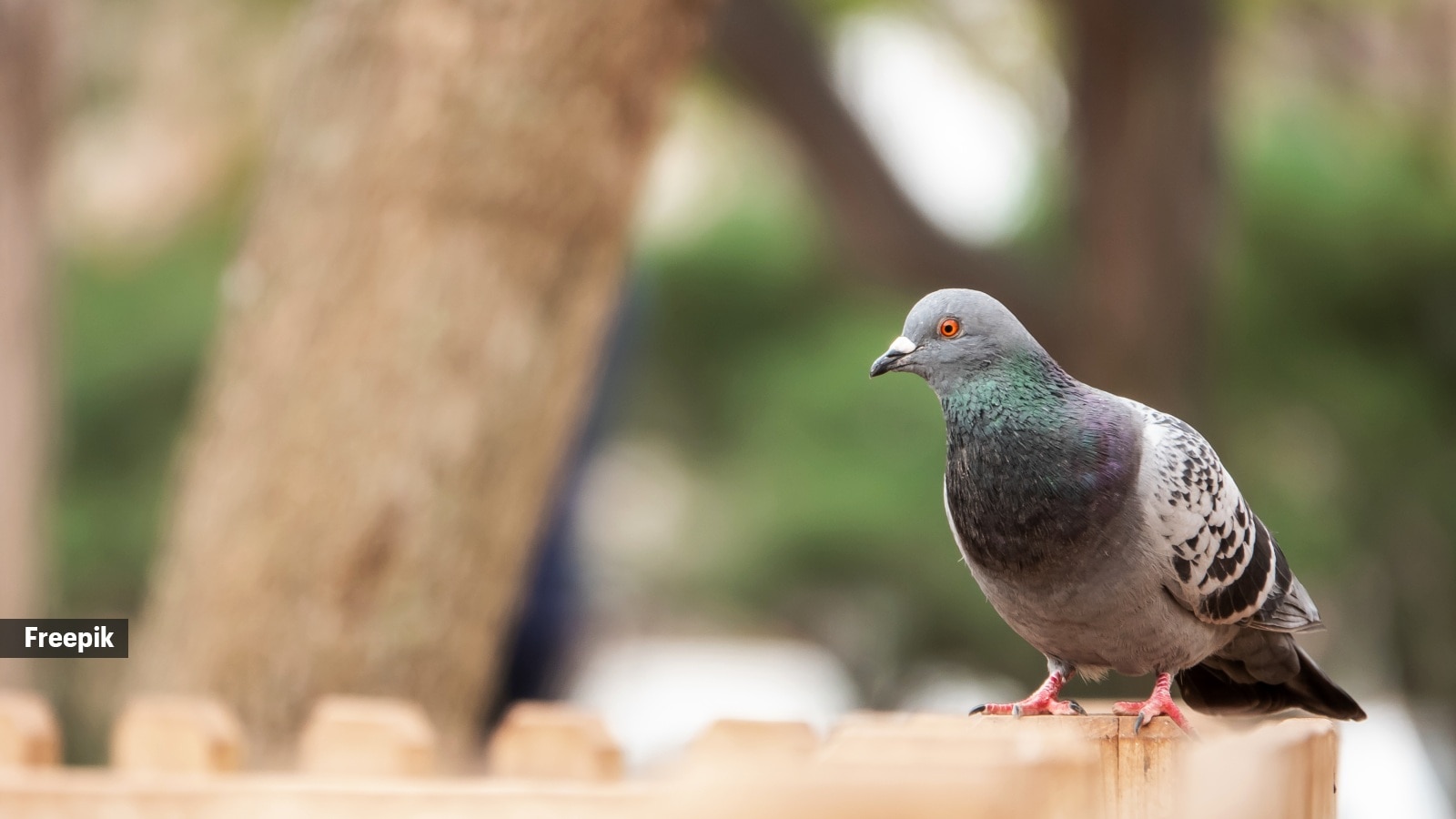
e liver cells may specifically help pigeons sense Earth's magnetic field (Image: Freepik)
Homing pigeons have long fascinated scientists with their ability to find their way back over long distances. But exactly how they do it has remained one of nature’s biggest mysteries. However, a new study published in the journal Science suggests the birds may rely on an unexpected navigation tool: iron-rich immune cells in their liver.
Many animals, including birds, sea turtles, sharks and dogs, are believed to use Earth’s magnetic field to navigate. Scientists have proposed various explanations over the years, from magnetic particles acting like tiny compass needles to special proteins in the eyes helping animals detect magnetic fields.
The new study points to a surprising alternative. Researchers found that immune cells called macrophages in the livers of homing pigeons contain large amounts of iron stored in a protein called ferritin. These cells were located close to nerve cells, suggesting they may help detect magnetic information and pass it on to the brain.
To test the idea, scientists trained 34 homing pigeons to fly a 19-kilometre route. They then used a drug to temporarily remove these iron-rich immune cells in some of the birds.
Why the birds got lost on cloudy days
The results were striking. When the treated pigeons were released on heavily overcast days, they became disoriented and struggled to find their way home. Birds that had not received the treatment flew back normally.
However, when the same treated pigeons were released on sunny days, they navigated successfully using the Sun as a guide. This suggests the liver cells may specifically help pigeons sense Earth’s magnetic field when other navigation cues are unavailable.
Scientists are still trying to understand exactly how the process works. One possibility is that the iron stored inside the cells responds to Earth’s magnetic field and sends signals to nearby nerves, which then relay the information to the brain.
Experts who were not involved in the research have called the findings “mind-blowing” and “extraordinarily exciting,” though they caution that more studies are needed.
Story continues below this ad
If confirmed, the discovery could have implications far beyond pigeons. Researchers believe similar mechanisms may exist in other animals that rely on magnetic navigation, from bees and bats to whales and sharks.
For now, the study offers a fascinating new clue about how some animals manage one of nature’s most remarkable feats: always finding their way home!
View original source — Indian Express ↗
Related stories

The Hollywood Reporter
EntertainmentJun 13, 2026 · 1 min
‘Alien: Earth’ Doesn’t Hide Its Xenomorph — But It Did Tone Down One Gory Attack
The Hollywood Reporter

Dawn
EntertainmentJun 13, 2026 · 1 min
Trump's name removed from Washington arts center
Dawn

The Hollywood Reporter
EntertainmentJun 13, 2026 · 1 min
When Mamie Van Doren Met Howard Hughes: “When I Looked, There Wasn’t That Much There”
The Hollywood Reporter

E! Online
EntertainmentJun 13, 2026 · 1 min
Meet World Cup WAGs: Antonela Roccuzzo, Georgina Rodríguez and More
E! Online