Indian Express
Indian Express··4 min read
Foot overbridge, staircase, pathway: How NCRTC is connecting Delhi’s biggest transport hub at Sarai Kale Khan
4 min readNew DelhiUpdated: Jun 14, 2026 02:21 PM IST
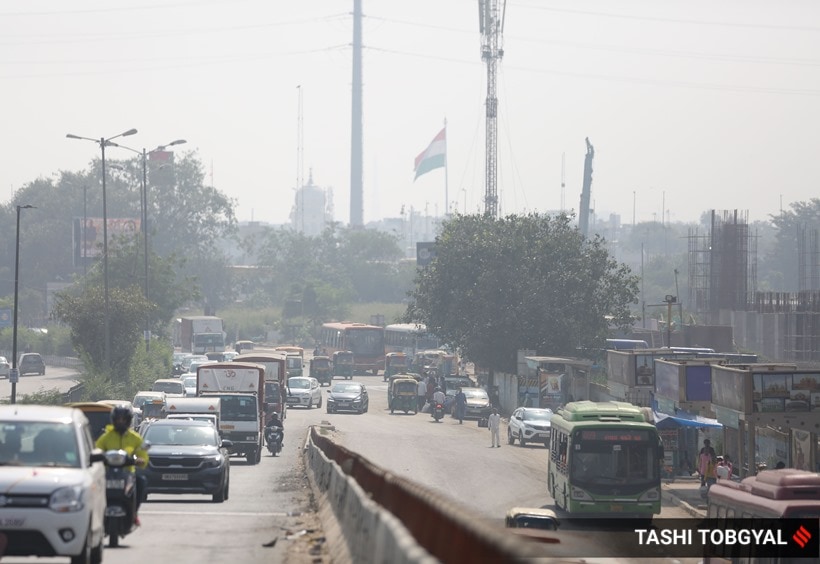
NCRTC is strengthening multimodal connectivity at Sarai Kale Khan (Express file photo).
Sarai Kale Khan is one of Delhi’s biggest transport hubs, where Hazrat Nizamuddin Railway Station, Delhi Metro’s Pink Line, the Veer Haqiqat Rai Interstate Bus Terminal (ISBT), city bus services and the Delhi-Meerut Namo Bharat corridor converge within a relatively small area.
Over the past months, the National Capital Region Transport Corporation (NCRTC) has been working on a series of projects: a foot overbridge, pedestrian pathways and a proposed staircase link, aimed at making transfers between these transport systems easier.
The effort appears to be yielding results. According to NCRTC officials, ridership at the Sarai Kale Khan Namo Bharat station has increased by around 30 per cent since the commissioning of a foot overbridge connecting the station with Hazrat Nizamuddin Railway Station. The station is now handling around 7,000-8,000 passengers daily.
Importance of integration
Transport planners often argue that public transport works best when passengers can move easily between different systems. A commuter may be willing to take a train to Delhi and then switch to Metro or Namo Bharat services, but only if the transfer is convenient, safe and does not involve walking on broken footpaths or dodging oncoming rickshaws. If not, they might escape the public transport system and use private transport.
At Sarai Kale Khan, the concentration of multiple transport facilities has historically led to pedestrians and vehicles competing for limited road space. Passengers moving between the railway station, Metro station, bus terminal, and surrounding roads often had to cross heavy traffic while carrying luggage or accompanying family members.
FOB linking Namo Bharat and railway station
Last month, the 280-metre-long foot overbridge connecting the Sarai Kale Khan Namo Bharat station with Hazrat Nizamuddin Railway Station became operational.
The bridge is equipped with six automatic travelators, escalators and lifts. Hundreds of trains make their way through Hazrat Nizamuddin Railway Station, with lakhs of commuters boarding and de-boarding from this station.
Story continues below this ad
A large percentage of these commuters take the metro or Namo Bharat for their journey further in the city. Earlier, passengers travelling to and from the railway station were often compelled to cross busy roads and navigate through heavy traffic while carrying luggage and accompanying family members, officials said, adding that “apart from causing inconvenience, this frequently contributed to congestion and crowding outside the transit facilities. The commissioning of the FOB has addressed these challenges”.
Other infrastructure
NCRTC has also developed a covered pedestrian pathway linking the Namo Bharat station with Delhi Metro’s Hazrat Nizamuddin station on the Pink Line. The pathway is intended to provide a dedicated walking route between the two systems, allowing passengers travelling from Delhi, Ghaziabad, Modinagar and Meerut to switch between Metro and Namo Bharat services without relying on surrounding roads.
The next stage of integration is expected to be a direct connection between the operational FOB and the Metro station.
According to NCRTC officials, a tender has already been floated for the construction of a staircase and installation of escalators that would connect the Metro station with the existing FOB. Once completed, passengers would be able to move between the railway station, Metro station and Namo Bharat station through a more continuous interchange system.
Story continues below this ad
Beyond pedestrian movement
The integration effort is not limited to pedestrian infrastructure. NCRTC officials said the station’s entry and exit points were designed through service roads rather than directly from the main carriageway. Dedicated pick-up and drop-off areas have also been created within the station premises to reduce roadside vehicle stops.
Officials said similar multimodal integration measures are also being implemented at Anand Vihar and Ghaziabad stations as part of the Delhi-Ghaziabad-Meerut Namo Bharat corridor.
Devansh Mittal is a Correspondent at The Indian Express, based in the New Delhi City bureau. He reports on urban policy, civic governance, and infrastructure in the National Capital Region, with a growing focus on housing, land policy, transport, and the disruption economy and its social implications.
Professional Background
Education: He studied Political Science at Ashoka University.
Core Beats: His reporting focuses on policy and governance in the National Capital Region, one of the largest urban agglomerations in the world. He covers housing and land policy, municipal governance, urban transport, and the interface between infrastructure, regulation, and everyday life in the city.
Recent Notable Work
His recent reporting includes in-depth examinations of urban policy and its on-ground consequences:
An investigation into subvention-linked home loans that documented how homebuyers were drawn into under-construction projects through a “builder–bank” nexus, often leaving them financially exposed when delivery stalled.
A detailed report on why Delhi’s land-pooling policy has remained stalled since 2007, tracing how fragmented land ownership, policy design flaws, and mistrust among stakeholders have kept one of the capital’s flagship urban reforms in limbo.
A reported piece examining the collapse of an electric mobility startup and what it meant for women drivers dependent on the platform for livelihoods.
Reporting Approach
Devansh’s work combines on-ground reporting with analysis of government data, court records, and academic research. He regularly reports from neighbourhoods, government offices, and courtrooms to explain how decisions on housing, transport, and the disruption economy shape everyday life in the city.
Contact
X (Twitter): @devanshmittal_
Email: [email protected] ... Read More
Stay updated with the latest - Click here to follow us on Instagram
View original source — Indian Express ↗
Related stories

The Punch
SportsJun 14, 2026 · 1 min
FIFA names Côte d’Ivoire 2026 World Cup youngest squad
The Punch
The Punch
NewsJun 14, 2026 · 1 min
Diri urges peace, cultural revival at Bayelsa community yam festival
The Punch
The Punch
SportsJun 14, 2026 · 1 min
VIDEO: ‘I love Nigeria’, Thierry Henry clears up World Cup joke with IShowSpeed
The Punch
The Punch
PoliticsJun 14, 2026 · 1 min
June 12, symbol of democracy — Abia LP
The Punch