Indian Express
After decades of neglect, Maharashtra’s ‘abandoned prisons’ are finally being shut
4 min readJun 14, 2026 03:37 PM IST
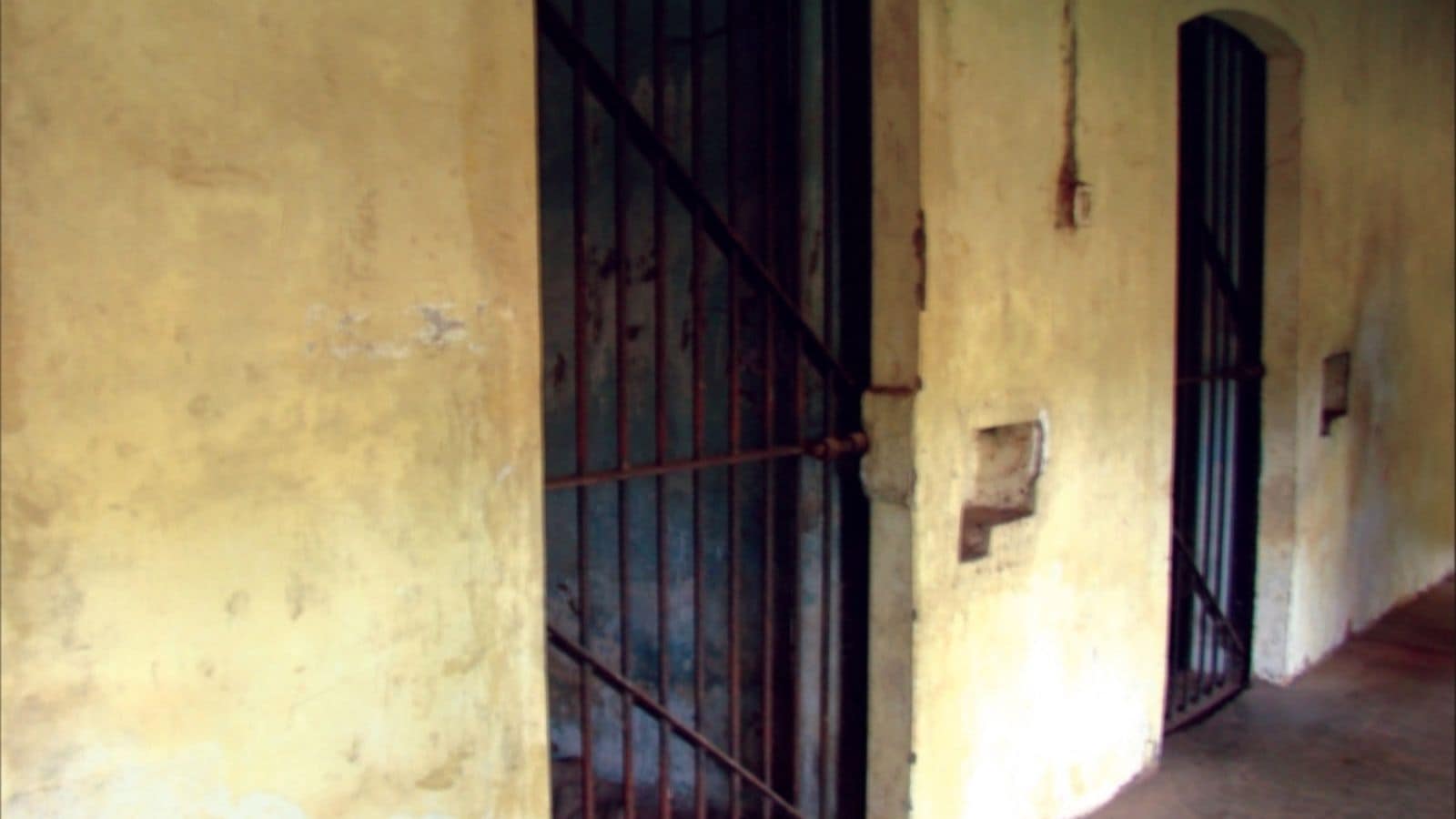
The sub-jails operated under a separate Sub-Jail Manual first drafted in 1928 and amended in 1952. (Image: CHRI)
Calling time on what rights groups once described as Maharashtra’s “abandoned prisons”, the state government has decided to permanently shut all 116 sub-jails that operated under the revenue department, ending a colonial-era system criticised for poor sanitation, inadequate facilities and lack of oversight.
A Government Resolution (GR) issued on June 12 ordered the closure of the remaining operational sub-jails and the transfer of inmates to prisons run by the state’s prison department.
The decision follows the recommendations of a government-appointed committee that reviewed the condition and future of the facilities. Of the 116 sub-jails across Maharashtra, only 36 remained operational while the remaining 80 had already ceased functioning, many due to their dilapidated condition and need for repairs.
The GR issued by the Revenue and Forest Department states that senior officials from the Revenue and Home departments met in January and the committee recommended shutting them down and, wherever necessary, allowing the prison department to seek land and infrastructure to upgrade facilities into district prisons. The government has directed authorities to formally close the sub-jails and repeal the separate jail manual under which they functioned.
According to records from the Prison Statistics of India, Maharashtra had the highest number of sub-jails in the country in the early 2000s, with 172 such facilities. Over the years, many were gradually shut down.
The sub-jails operated under a separate Sub-Jail Manual first drafted in 1928 and amended in 1952. Dating back to the British era, these facilities were located in mahals or talukas and were meant to house prisoners sentenced to imprisonment of up to 14 days as well as inmates in transit to district or central prisons.
Unlike regular prisons, these facilities were administered by the revenue department. Clerks functioned as jailors, while the tehsildar served as superintendent and reported to the Inspector General of Prisons. Maharashtra and Karnataka remained among the few states where such sub-jails continued to function under the revenue department instead of the prison administration.
Story continues below this ad
Over time, the facilities increasingly came to be used to temporarily house prisoners when district or central prisons were located far away and police were unable to immediately transfer inmates after courts remanded them to judicial custody. In 2010, the Commonwealth Human Rights Initiative (CHRI) released a report titled Maharashtra’s Abandoned Prisons, describing the facilities as a “gross violation of fundamental rights”. The report documented poor living conditions, with several sub-jails functioning out of dilapidated revenue department buildings lacking basic amenities.
“The prison department does not provide funds for maintaining these prisons, and the revenue department does not seem to consider this a priority,” the report had noted. It also found instances where prisoners were provided only torn mats for bedding, lacked access to electricity and clothing, and were housed in rooms where toilets formed part of the living space. The findings led to a Public Interest Litigation in the Bombay High Court, which subsequently directed authorities to improve conditions at the facilities.
Prayas, a field action project of the Tata Institute of Social Sciences (TISS) and a member of the state’s inter-departmental committee on prisoners, had also pursued the issue and supported the recommendation to shut the facilities.
“With this, all undertrials will be kept in prisons managed by the prison department with the same facilities that are available to prisoners under the Maharashtra Prison Manual. It does away with an archaic system of sub-jails which were under the control of tehsildars, housing prisoners in one or two rooms with poor sanitation, ventilation and lack of standardisation in food and health care,” said Dr Vijay Raghavan, project director of Prayas.
Sadaf Modak is a distinguished Legal Correspondent based in Mumbai whose work demonstrates exceptional Expertise and Authority in covering the intricacies of the judicial and correctional systems. Reporting for The Indian Express, she is a highly Trustworthy source for in-depth coverage of courtroom proceedings and human rights issues.
Expertise
Specialized Role: As a dedicated Legal Correspondent, Sadaf Modak possesses deep, specialized knowledge of legal procedures, statutes, and judicial operations, lending immense Authority to her reports.
Core Authority & Focus: Her work primarily centers on:
Trial Court Proceedings: She mainly covers the trial courts of Mumbai, providing crucial, on-the-ground reporting on the day-to-day legal processes that affect citizens. She maintains a keen eye on both major criminal cases and the "ordinary and not so ordinary events" that reveal the human element within the justice system.
Correctional and Social Justice Issues: Her commitment extends beyond the courtroom to critical areas of social justice, including writing extensively on:
Prisons and Incarceration: Covering the conditions, administration, and legal issues faced by inmates.
Juvenile Justice: Reporting on the complexities of the juvenile justice system and the legal rights of children.
Human Rights: Focusing on fundamental human rights within the context of law enforcement and state institutions.
Experience
Institutional Affiliation: Reporting for The Indian Express—a leading national newspaper—ensures her coverage is subject to high editorial standards of accuracy, impartiality, and legal rigor.
Impactful Detail: Her focus on trial courts provides readers with direct, detailed insights into the workings of the justice system, making complex legal narratives accessible and establishing her as a reliable and trusted chronicler of the legal landscape.
Sadaf Modak's blend of judicial focus and commitment to human rights issues establishes her as a vital and authoritative voice in Indian legal journalism.
She tweets @sadafmodak ... Read More
Stay updated with the latest - Click here to follow us on Instagram
View original source — Indian Express ↗
Related stories
The Guardian
TechnologyJun 14, 2026 · 1 min
Deadly Philippines earthquake found to have raised seabed by up to 2 metres
The Guardian

The Hindu
TechnologyJun 14, 2026 · 1 min
Ukrainian drone strikes kill one, spark fire at oil facility in Russia
The Hindu

TechRadar
TechnologyJun 14, 2026 · 1 min
Ukrainian UAV expert warns US off-the-shelf drones will fail to survive EW, and 'every unit should have their own drone…
TechRadar
The Guardian
TechnologyJun 14, 2026 · 1 min
Jamaican beach access campaigners go to court to fight privatisation of coast
The Guardian