The Next Web
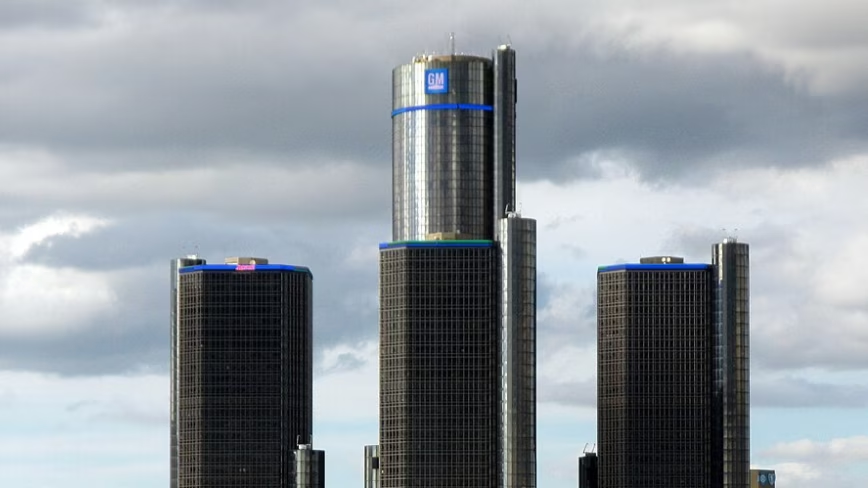
GM says its autonomous cars will eventually be capable of running as robotaxis too
TL;DR
GM’s chief product officer says its personal autonomy tech will expand until it covers robotaxi territory, keeping a ride-hailing play on the table.
General Motors shut down Cruise, its $10 billion robotaxi division, in December 2024. Eighteen months later, the company’s chief product officer says GM’s autonomous vehicles will eventually be capable of operating as robotaxis anyway. Sterling Anderson, the former head of Tesla’s Autopilot program, told Business Insider that GM’s personal autonomy strategy and the robotaxi business model are on a collision course.
“Ultimately, the two converge. Our operating region looks identical to the operating region of a robotaxi company,” Anderson said. “The question at that point becomes, ‘Why not offer them in a robotaxi-type application as well?‘”
Anderson’s approach starts with highway driving and works outward. GM is breaking the driving experience into segments, tackling long stretches of motorway first before expanding to arterial roads and urban centres. The idea is that by the time the system handles enough road types, the coverage area will be indistinguishable from what a dedicated robotaxi operator needs.
The foundation for that expansion is Super Cruise, GM’s hands-off, eyes-on driver assistance system. In April, GM said customers had driven one billion hands-free miles with the feature across roughly 750,000 vehicles covering 700,000 miles of North American roads. The company plans to introduce eyes-off highway driving on the Cadillac Escalade IQ in 2028, upgrading Super Cruise from a Level 2+ system to Level 3 using lidar, radar, and cameras.
To build the technology, GM has been quietly reassembling the team it dismantled. The Information reported that the company has rehired approximately 100 former Cruise employees, including senior managers who have returned to their previous roles. GM also hired Ronalee Mann, a former Cruise and Tesla executive, to lead product operations under Anderson, and has recruited engineers from Nvidia, Uber, and Zoox.
The rehiring is a reversal from a painful exit. GM acquired Cruise in 2016 for $581 million and spent more than $10 billion on the division before pulling the plug. The shutdown followed a 2023 incident in San Francisco in which a Cruise robotaxi dragged a pedestrian who had been hit by another vehicle, prompting California regulators to suspend the company’s driverless licence.
Anderson was hired in May 2025 with a $40 million compensation package and has since emerged as a potential successor to CEO Mary Barra. Before GM, he co-founded Aurora Innovation, which launched the first commercial fully driverless trucking service in the US, operating between Houston and Dallas. His appointment signalled that GM was serious about autonomy even after abandoning the dedicated robotaxi model.
The competitive landscape has shifted considerably since Cruise’s collapse. Waymo now delivers more than 500,000 paid rides per week across 10 US metro areas and is deploying its cheaper sixth-generation Ojai robotaxi to scale further. Tesla has launched a limited robotaxi service in Austin using a camera-only approach. Amazon’s Zoox operates roughly 50 robotaxis in San Francisco and Las Vegas.
Legacy automakers are also moving. Hyundai-backed Motional relaunched a robotaxi service with Uber in Las Vegas in March and plans to offer fully driverless rides there by the end of 2026. Rivian signed a $1.25 billion deal with Uber in March to deploy up to 50,000 autonomous R2 vehicles across 25 cities by 2031, starting in San Francisco and Miami in 2028.
GM’s strategy is a slower, lower-risk path than building a standalone robotaxi fleet. By embedding autonomy in personal vehicles first, the company avoids the enormous capital expenditure of operating its own ride-hailing network while still accumulating the driving data and regulatory approvals it would need to enter that market later. The one billion Super Cruise miles already driven give GM a dataset that few competitors outside Tesla and Waymo can match.
Whether the approach works depends on execution speed. GM is targeting eyes-off highway driving in 2028, the same year Rivian’s autonomous R2s are expected to start carrying Uber passengers. “If that’s where the world goes, our autonomous vehicles will be capable of being robotaxis as well,” Anderson said.
View original source — The Next Web ↗
Related stories
Indian Express
TechnologyJun 14, 2026 · 1 min
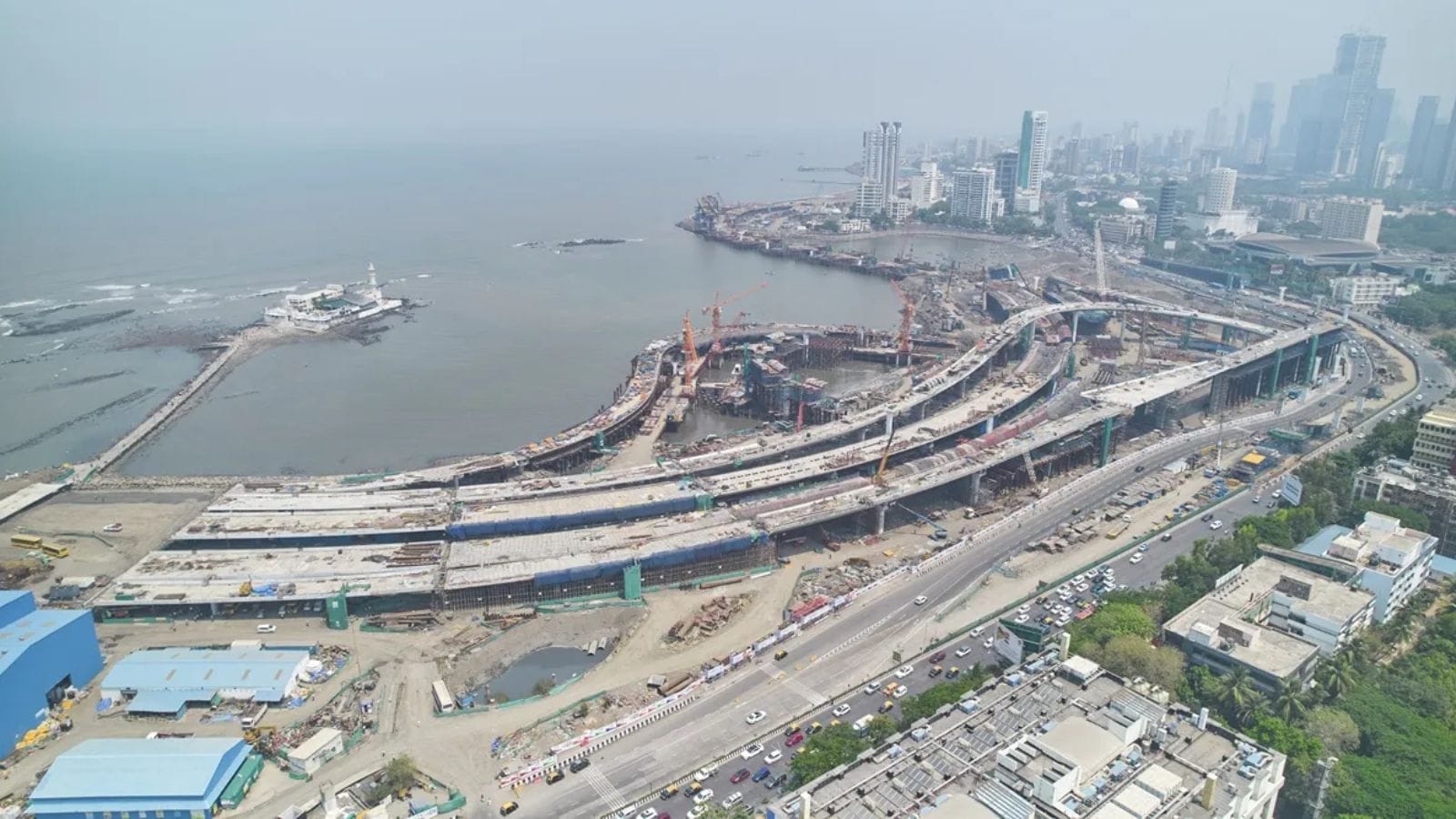
‘North section of Mumbai Coastal Road to be ready by Dec 2028’: CM Fadnavis after inspecting ongoing work
Indian Express

Wired
TechnologyJun 14, 2026 · 1 min
20 Best Gifts for Men, Manly Men, and Menly Man Men (2026)
Wired
TechRadar
TechnologyJun 14, 2026 · 1 min
'You're designing for a dynamic range of sizes and aspect ratios'
TechRadar
The Next Web
TechnologyJun 14, 2026 · 1 min
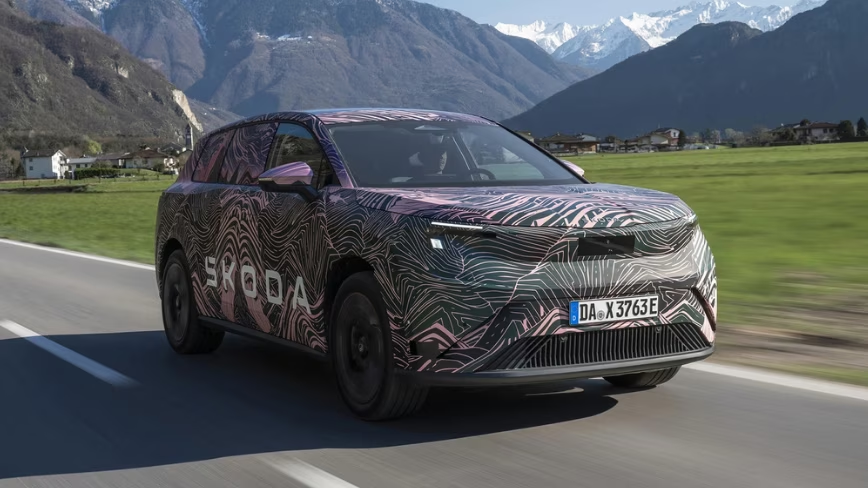
Skoda’s Peaq is a seven-seat electric SUV built to undercut the Kia EV9 and Ioniq 9 on price
The Next Web