Indian Express
As water crisis and heat intensify, BMC is rejuvenating Mumbai’s lost lakes
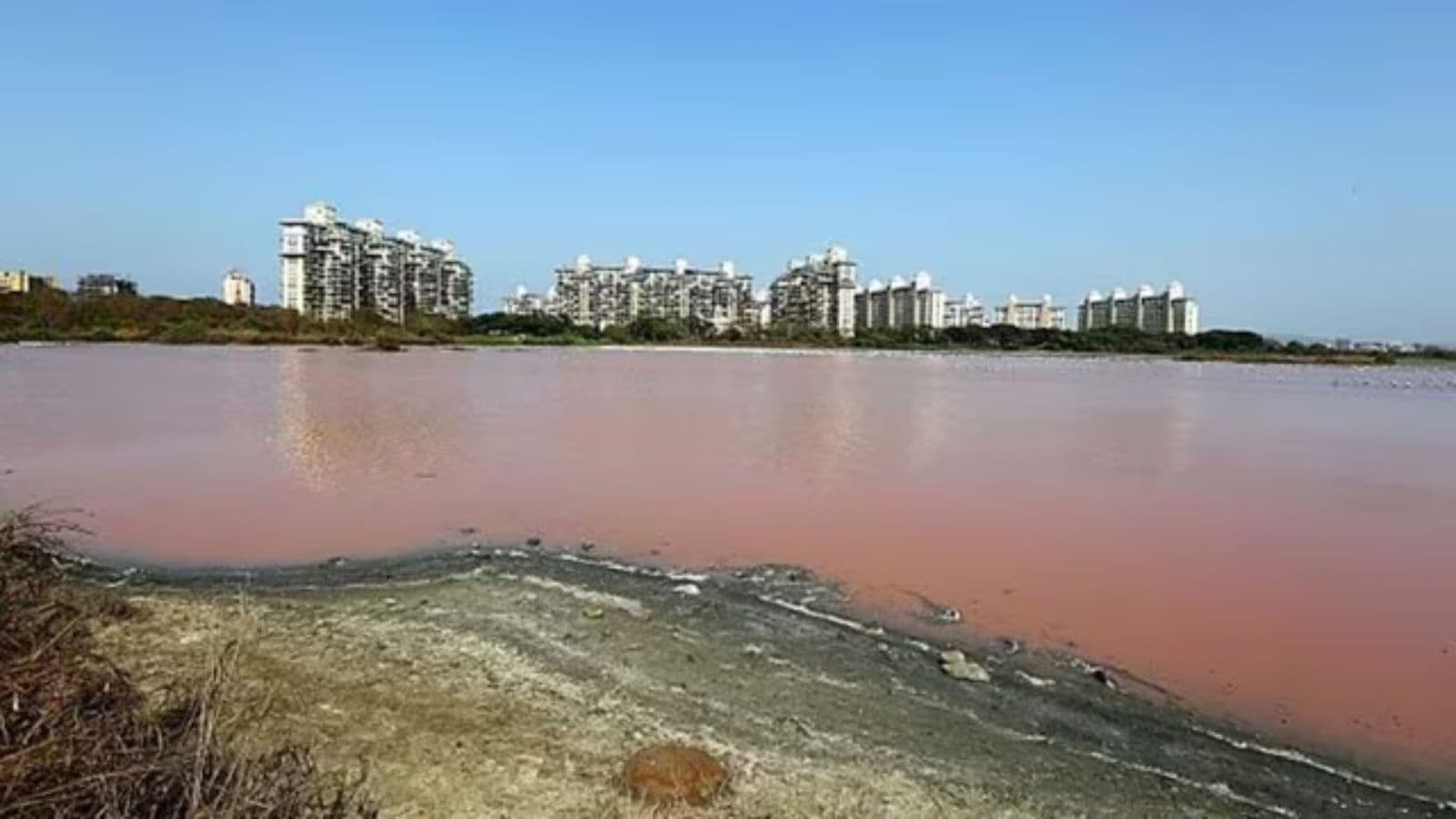
As Mumbai runs out of water stock and reels under a heatwave, the Brihanmumbai Municipal Corporation (BMC) is set to rejuvenate two historic lakes—Bhujale Talao and Kamal Talao—in Mumbai’s western suburbs. Currently in a dilapidated state, these waterbodies were key sources of potable water during the 20th century, when the Malad and Kandivali areas had not yet urbanised.
Last week, Union minister and North Mumbai MP Piyush Goyal inspected both lakes in Mumbai and said the rejuvenation work would likely be completed within six months. “These lakes will serve as lungs for Mumbai and will improve the overall environmental condition in these areas. Plus, the lakes and the surrounding greenery will also help control pollution,” he said.
Speaking to The Indian Express, the authorities said the overall rejuvenation plan comprises nine lakes in North Mumbai. The project will be executed under a public-private partnership model.
Civic officials said the larger plan is to upscale the city’s overall urban infrastructure by rejuvenating these waterbodies to make open spaces more accessible to people.
“At present, the first phase of rejuvenating the Bhujal Talao has already been initiated, and 90 metric tonnes (MT) of silt have been removed from the waterbody’s bed,” an official told The Indian Express. After the desilting, the entire waterbody precinct will be beautified and developed into a recreational space by creating a walking track and gardens, the official added.
The origin of this lake dates back to the early 20th century, when the entire western suburbs in Mumbai were paddy grasslands where agricultural work used to take place. Locals recall that the water supply pipeline didn’t reach this part of the city during that time and people would depend on freshwater lakes like the Bhujale lake for potable water.
“Later, during the 1980s, the authorities initiated the construction of the link road and pipelines were built at the same time. As a result, people’s dependency on the lakes reduced, and gradually the lakes were used only for dumping waste and immersing Ganesh idols. The civic body also reduced the frequency of cleanup in these lakes,” said Ramesh Sharma, 71, a local resident.
Story continues below this ad
The Kamal Talao in Marve, home to various migratory birds, spans seven acres. Civic officials said that rejuvenation would significantly improve the lake’s water quality and surrounding greenery.
Mumbai’s lost lakes
The BMC’s lake rejuvenation plan is in line with a study commissioned by the administration back in April to identify all the lost natural waterbodies in Mumbai. Some of the key lakes in the city are the Tulsi lake, Vihar lake, Powai lake, Sion Talao, Bandra Talao, and Banganga Tank. The Tulsi and Vihar lakes supply potable water to the city daily.
According to the BMC’s 1991 development plan model, there were more than 300 lakes across the city and suburbs.
With time, owing to a series of redevelopment and infrastructure work, many natural water bodies have been either reclaimed or filled to make land available for development, leading to the loss of ecological biodiversity. Natural lakes play a key role in micro-climate moderation by lowering temperatures in urban areas, mitigating the urban heat island effect.
Story continues below this ad
According to a survey report released by the World Wide Fund for Nature, or WWF, 129 sites were identified via satellite imagery as potential sites for natural lakes in Mumbai. However, the survey stated that natural lakes could be found in only 68 locations, while 17 locations stayed inaccessible. Furthermore, the report stated that several areas were found to have been dug as foundation pits, where construction work had begun.
The survey stated that 36 of Mumbai’s lakes are medium-sized, 23 small, six large, and three very large.
“Earlier, Mumbai used to have several natural waterbodies in every pocket, and till the middle of the 20th century, people were largely dependent on these lakes for water, as pipelines hadn’t reached many places in the suburbs. However, after the real estate boom began during the 1980s, many of these lakes were filled. Also, many of these lakes were labelled as potential breeding spots for mosquitoes and were reclaimed to prevent the spread of malaria,” a civic official said.
Environmental advantage
Experts also said that lake rejuvenation will help mitigate flooding in Mumbai.
Story continues below this ad
“Lakes serve as heat sinks, moderating the temperature levels of the space where they are located. At present, the overall temperature of Mumbai has seen a rise largely due to urban heat effects of concreting work. The lakes will be able to control them,” Dr Shashank Joshi, a hydrological expert and researcher, told The Indian Express.
“Lakes are also a crucial ecosystem and act as natural water cycle regulators. They act as sponges absorbing excess rainfall water, preventing overflow of rain water, and as water catchments, thus avoiding waterlogging during the dry weather period,” he added.
BMC lake rejuvenation plan at a glance
Lakes being rejuvenated now: Bhujale Talao and Kamal Talao
Total lakes awaiting rejuvenation in North Mumbai: 9
Key features of rejuvenation
1. Improvement of water quality
2. Upscaling the greenery in the periphery of the lake
3. Creating walking tracks and pathways
4. Making adequate recreational facilities
Key advantages of having lakes
1. Climate regulation
2. Flood Mitigation
3. Biodiversity hotspots
4. Water purification and cycling
5. Groundwater recharge
6. Erosion control
Potential natural lakes in Mumbai as per BMC report: 300
Potential areas of natural lakes as per WWF’s satellite imagery: 129
Locations where natural lakes actually exist: 68 (23 small, 36 medium, 6 large, and 3 very large)
Story continues below this ad
Some other key lakes: Tulsi, Vihar, Powai, Sion, Banganga Tank, Mahim Talao, Bandra Talao
View original source — Indian Express ↗
Related stories

The Guardian
TechnologyJun 14, 2026 · 1 min
Dangerous hormone-disrupting chemicals found in US breast milk samples
The Guardian

The Guardian
TechnologyJun 14, 2026 · 1 min
Antidepressants and antipsychotics could serve as alternatives to opioids, study finds
The Guardian

South China Morning Post
TechnologyJun 14, 2026 · 1 min
Bollywood drops Beijing as a villain – is a Russia-China-India axis next?
South China Morning Post

The Verge
TechnologyJun 14, 2026 · 1 min
Solid-state batteries still aren’t ready, but gels are
The Verge