Times of India
Times of India··2 min read
Iran to immediately open Hormuz, US to lift Naval blockade: Draft deal details emerge
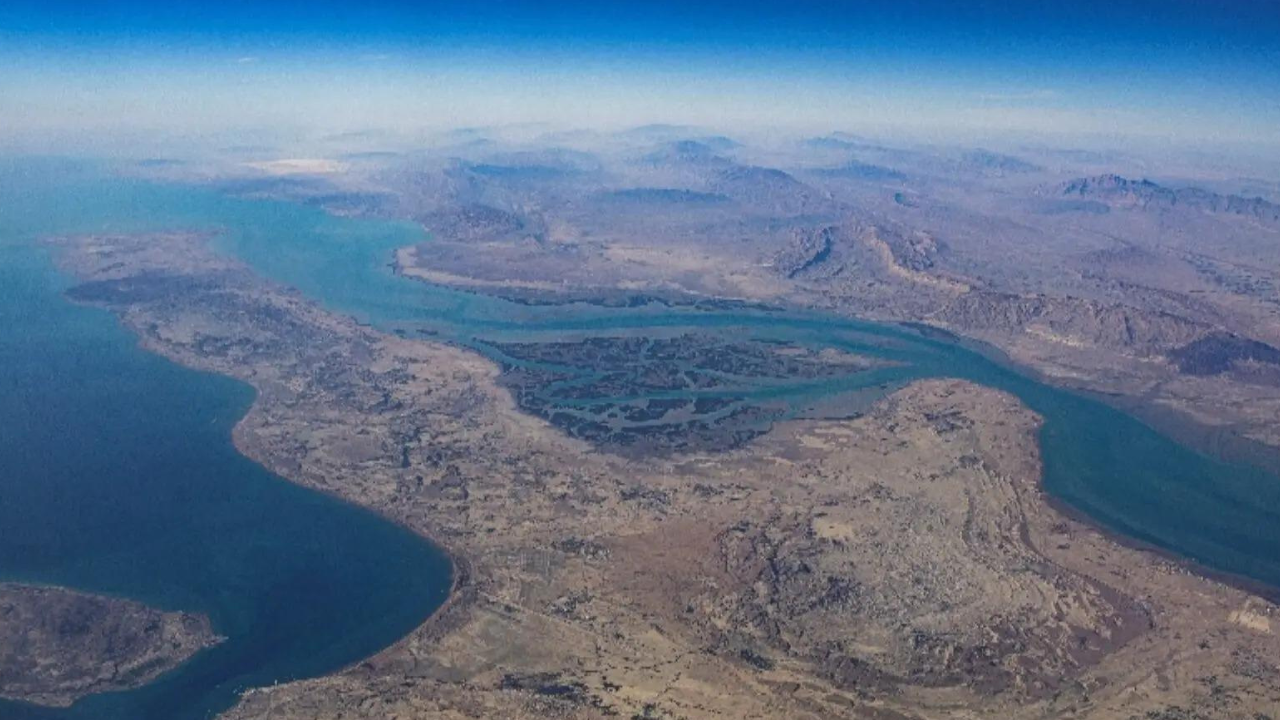
Image: ANI
Details of a draft memorandum between Washington and Tehran have begun to emerge, with a senior Iranian official telling Reuters that the proposed agreement includes Iran's commitment not to produce or acquire nuclear weapons.Under the draft framework, Iran would immediately reopen the Strait of Hormuz to all commercial vessels, while the United States would lift its naval blockade.
The official also said Washington has agreed to allow Tehran to dilute its stockpile of highly enriched uranium inside Iran, with both sides expected to discuss the mechanism for implementing the arrangement over the next 60 days.The draft memorandum also includes provisions for sanctions relief.
According to a senior Iranian official the United States would waive oil sanctions on Iran for a specified period, allowing Tehran to resume oil exports and access the revenues generated from those sales.It outlines the release of Iranian assets frozen abroad. The United States would release $25 billion in Iranian funds through a combination of direct cash transfers, cooperation with regional countries and the extension of financial credit lines.
This comes as a Qatari delegation arrived in Tehran on Sunday to discuss the latest developments in diplomatic efforts between Iran and the United States, according to Iranian media reports.The delegation, led by an adviser to Qatar's Prime Minister and Foreign Minister Sheikh Mohammed bin Abdulrahman bin Jassim Al Thani, held consultations with Iranian officials as part of ongoing exchanges of messages between Tehran and Washington over a proposed memorandum of understanding aimed at ending the conflict.Iranian Foreign Minister Abbas Araghchi said on Friday that Tehran and Washington could announce an initial understanding in the coming days, while noting that discussions have not yet been finalised. He said the talks are centred on a 14-point memorandum of understanding that remains under review.According to Araghchi, the proposed framework envisages a two-stage process. The first stage would involve an initial memorandum of understanding, followed by a second round of negotiations expected to last about 60 days.
Issues such as sanctions relief, the nuclear programme, enrichment-related matters, economic reconstruction and other key issues would be addressed during the second phase.Araghchi also stressed the need for implementation guarantees, saying mechanisms must be put in place to prevent future violations of any agreement.Meanwhile, US president Donald Trump said on Truth Social on Saturday that the agreement is "scheduled to get signed tomorrow, and immediately after it is signed, the Hormuz Strait is OPEN TO ALL."Trump described the proposed arrangement as "A WALL TO NO NUCLEAR WEAPON" and contrasted it with the Joint Comprehensive Plan of Action (JCPOA) negotiated during the administration of former US President Barack Obama.
View original source — Times of India ↗
Related stories

The Punch
NewsJun 14, 2026 · 1 min
Ogun-Osun River Basin provides over 400 solar-powered boreholes 16 tractors — MD
The Punch
The Punch
NewsJun 14, 2026 · 1 min
FG tests CBT for technical colleges entrance exam
The Punch

ESPN
SportsJun 14, 2026 · 1 min
The joy and wonder of Cabo Verde's unlikely World ...
ESPN
The Punch
NewsJun 14, 2026 · 1 min
Watch for new moon to mark Islamic New Year, Sultan urges Muslims
The Punch