South China Morning Post
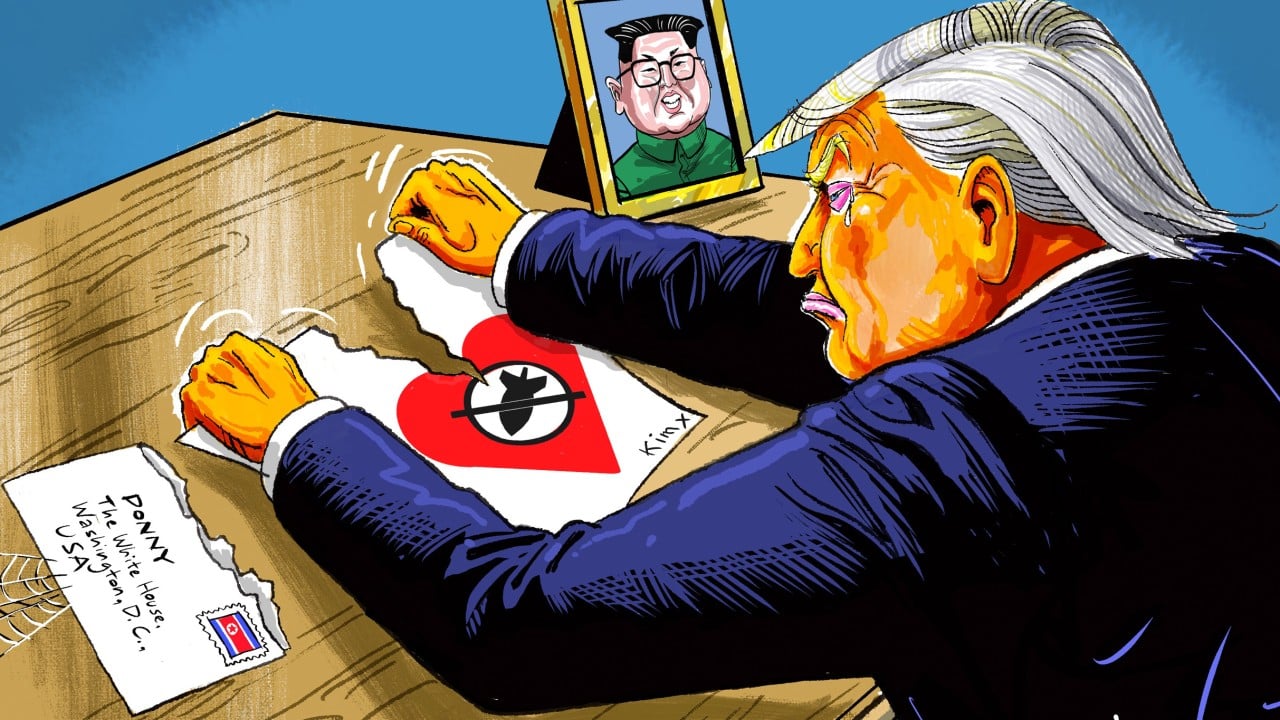
Time for US wishful thinking on North Korean denuclearisation is over
Chinese President Xi Jinping’s recent Pyongyang visit may ultimately be remembered as a turning point in the international debate over North Korea’s nuclear weapons.
While most headlines focused on the visit’s timing and the many pledges made by the two leaders aimed at expanding cooperation, the most significant development may have been what was left unsaid. Throughout the visit, neither side publicly referenced the denuclearisation issue.
On the contrary, Xi called for expanded cooperation in the military sphere – marking a remarkable shift in China’s long-held position in support of the Korean peninsula’s denuclearisation. Although Xi has not explicitly recognised North Korea as a nuclear weapons state, his silence on the issue spoke volumes.
For years, China and Russia joined the United States in officially supporting a denuclearised Korean peninsula, even if their commitment varied considerably in practice. Today, however, Moscow has effectively accepted Pyongyang’s nuclear status, with Russian Foreign Minister Sergey Lavrov calling the denuclearisation of North Korea a “closed issue” back in September 2024.
With Xi’s trip, China appears to be quietly moving in a similar direction. This leaves Washington increasingly isolated in its insistence that North Korea can still be persuaded to surrender its nuclear weapons.
President Donald Trump should recognise what much of the region already understands: denuclearisation is no longer a realistic policy objective, at least not in the short or medium term. Continuing to pursue it as the centrepiece of its North Korea policy risks leaving Washington trapped in a diplomatic stalemate likely to lead to greater military tensions on the peninsula and further reduce Washington’s leverage over Pyongyang.
View original source — South China Morning Post ↗
Related stories

Al Jazeera
PoliticsJun 14, 2026 · 1 min
US-Iran ceasefire deal announced, Trump says Strait of Hormuz reopening
Al Jazeera

NPR
PoliticsJun 14, 2026 · 1 min
The U.S. and Iran announce a deal to end the war
NPR
South China Morning Post
PoliticsJun 14, 2026 · 1 min
US and Iran reach peace deal with signing set for Friday, Pakistan says
South China Morning Post

South China Morning Post
PoliticsJun 14, 2026 · 1 min
US, Pakistan announce peace deal with Iran is ‘complete’
South China Morning Post