Indian Express
Who won the Iran-US war: Trump, Tehran or Pakistan? And who lost?
News
World
Who won the Iran-US war: Trump, Tehran or Pakistan? And who lost?
Trump claims victory, Tehran calls it a 'crushing defeat' — but analysts say Pakistan emerged as the Iran war's most consequential winner, with implications for India.
6 min readJun 15, 2026 05:59 AM IST
First published on: Jun 15, 2026 at 05:57 AM IST
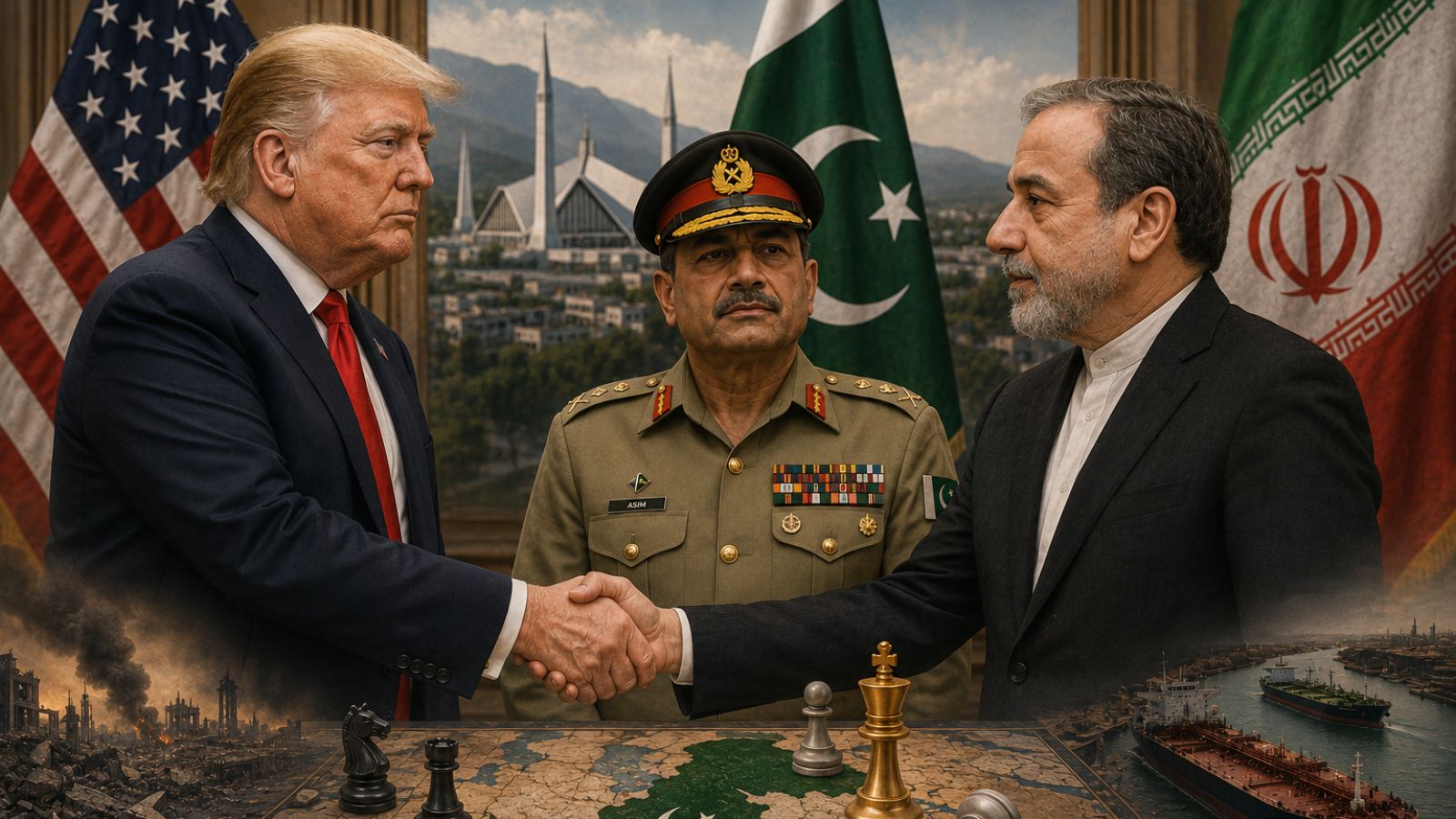
Washington and Tehran edge toward a ceasefire deal nearly four months into the conflict. (Photo: AI-Generated))
Nearly four months after the United States and Israel launched their campaign against Iran, the two sides have agreed to end the war through a Pakistan-mediated peace deal, with a virtual signing ceremony scheduled to take place in Geneva, Switzerland, on 19 June even as the question of who actually won is producing sharply different answers from the parties involved and the analysts watching from the outside.
What Trump has claimed, and what the record shows
Trump has at various points described the US-Israeli campaign against Iran in sweeping terms, framing it as an unqualified win for Washington. Independent assessments complicate that picture considerably.
According to a PBS NewsHour fact-check, while the US and Israel achieved real battlefield successes, Pentagon officials told Congress that more than 80 per cent of Iran’s missile, drone and naval defence industrial base had been destroyed or damaged, calling the outcome a total victory overlooks a significant shift in Iran’s favour.
As one analyst told PBS, Iran has effectively become the “gatekeeper” of the Strait of Hormuz, the chokepoint that normally carries about a fifth of the world’s oil and gas, handing Tehran a form of durable economic leverage it did not have before the war began.
That gap between Trump’s framing and the underlying reporting has been visible in the latest round of talks, too. While Trump said over the weekend that an agreement could be signed as early as Sunday and that the Strait of Hormuz would reopen to all shipping immediately afterwards, CNN reported that plans for an in-person signing ceremony in Europe had quietly been dropped in favour of an electronic signing driven in large part by Trump’s own travel schedule ahead of this week’s G7 summit in France.
Story continues below this ad
CNN also reported that Washington and Tehran continue to offer somewhat conflicting public accounts of what the draft agreement actually contains, particularly on the scale of financial relief Iran would receive, with officials unable to say whether that gap reflects mere messaging differences or a deeper disagreement that could yet derail the deal.
How Pakistan became the middleman
A year ago, Pakistan’s military leadership was, by Reuters’ account, still living down decades of American suspicion over alleged links to militant safe havens and nuclear proliferation. Today, Pakistan’s Army Chief Field Marshal Asim Munir is one of the most consequential intermediaries in the US-Iran standoff, a transformation that predates the war itself.
The shift can be traced to June 2025, when Trump held an unusual one-on-one lunch with Munir at the White House as Washington weighed whether to join Israeli strikes on Iran. At the time, Pakistan’s foreign minister, Ishaq Dar, was already signalling that Islamabad was in direct contact with Tehran and willing to relay messages between the two sides.
Once the war began in late February, Pakistan’s involvement deepened further. Prime Minister Shehbaz Sharif spoke directly with Iranian President Masoud Pezeshkian to push for de-escalation, while Munir held calls with Trump around the time Washington deferred a planned strike, according to Gulf News.
Story continues below this ad
By May, Munir had travelled to Tehran twice for in-person talks with senior Iranian officials, working alongside Turkey and Egypt as additional channels for indirect exchanges between US special envoy Steve Witkoff and Iranian Foreign Minister Abbas Araghchi.
The arrangement has not gone unquestioned in Washington. Republican Senator Lindsey Graham publicly raised doubts about trusting Pakistan, citing unverified claims that Iranian military aircraft had been sheltered at Pakistani bases. Trump has nonetheless repeatedly praised both Sharif and Munir, telling reporters their efforts had been “absolutely great”.
For India, Pakistan’s rapid rehabilitation as a US-trusted broker after years in which Washington kept Islamabad at arm’s length is itself a notable shift in the regional balance, even as the immediate diplomatic focus stays fixed on the Iran-US track.
Who won? Hormuz prize Trump's claims Pakistan's rise Real winners Human cost
The scorecard
Three claimants, three verdicts
Trump calls the campaign a clean win. Tehran calls it a historic defeat for its enemies. Most independent analysts conclude almost everyone lost something.
United States
ClaimAn unqualified victory for the US and Israel.
AnalystsNo regime change in Tehran; effective control of the Strait of Hormuz ceded to Iran.
Iran
ClaimA “crushing historic defeat” inflicted on the US and Israel.
AnalystsThe regime survived the bombing intact — its central objective.
Israel
AnalystsCast as the conflict's principal loser: Iran's nuclear programme not neutralised, and Israel left more internationally isolated.
~20%
Of the world's oil and gas normally moves through the Strait of Hormuz
Gatekeeper
Iran's new effective role over the chokepoint, per analysts
Durable leverage
The chokepoint Iran now controls
One analyst told PBS that Iran has effectively become the “gatekeeper” of the Strait of Hormuz — a form of lasting economic leverage it did not hold before the war. CSIS and Newsweek assessments agree Tehran has used that grip to shape the terms of any eventual settlement.
80%+
Of Iran's missile, drone and naval defence base destroyed or damaged (Pentagon)
0
Regime change achieved in Tehran
Claim vs record
A total victory — with caveats
A PBS NewsHour fact-check found the US and Israel scored real battlefield gains, but said calling the outcome a total victory overlooks a significant shift in Iran's favour.
Battlefield damage was real
Pentagon officials told Congress more than 80 per cent of Iran's missile, drone and naval defence industrial base was hit.
But the deal keeps slipping
CNN reported the in-person European signing was dropped for an electronic one, with US and Iranian accounts still conflicting over the scale of financial relief.
Hormuz leverage went to Tehran
Analysts call Iran's retained grip on the Strait the war's most consequential strategic outcome.
June 2025
Trump holds an unusual one-on-one lunch with Field Marshal Asim Munir at the White House as Washington weighs joining Israeli strikes. FM Ishaq Dar signals Islamabad is in direct contact with Tehran.
28 Feb 2026 — war begins
US-Israeli strikes open the war. PM Shehbaz Sharif speaks with President Masoud Pezeshkian to push de-escalation; Munir holds calls with Trump.
8 Apr 2026
Pakistan brokers a two-week ceasefire, later extended, and hosts the Islamabad Talks. Munir travels to Tehran twice, working alongside Turkey and Egypt as channels for indirect Witkoff–Araghchi exchanges.
Now
Munir is now a central intermediary in the US-Iran standoff — a year after Pakistan's military was still living down decades of US suspicion.
“Absolutely great.”
— Donald Trump on the mediation efforts of Sharif and Munir
The net beneficiaries
The countries that gained most didn't fight
Across most assessments, the states described as net beneficiaries are not the ones that did the fighting.
China
A major buyer of the oil that moves through Hormuz, positioned to gain from Tehran's new leverage.
Pakistan
Used the crisis to rebuild a relationship with Washington that had been strained for years.
The India angle
A shift Delhi has to read
For India, Pakistan's rapid rehabilitation as a US-trusted broker — after years in which Washington kept Islamabad at arm's length — is itself a notable change in the regional balance, even as the immediate diplomatic focus stays fixed on the Iran-US track.
Beyond winners and losers
The cost the scorecard misses
Not every analyst accepts the winners-and-losers framing at all. A commentary for the Center for International Policy argued that focusing on geopolitical “wins” risks losing sight of the war's human cost inside Iran, where ordinary residents have borne the brunt of months of bombing.
Sources: PBS NewsHour · CNN · Reuters · Gulf News · The Week · CSIS · Newsweek · Center for International Policy
So, who actually won?
The answer depends entirely on who is being asked. Trump has claimed an unambiguous victory for the US and Israel. Iranian officials, who agreed to an earlier ceasefire in April, have described the outcome as a ‘crushing historic defeat’ inflicted on the US and Israel Tehran’s framing of survival as success
Story continues below this ad
Independent analysts are similarly split, and most conclude that nearly everyone lost something. A roundup of international commentary compiled by The Week cast Israeli Prime Minister Benjamin Netanyahu as the conflict’s principal loser, having failed in his long-stated goal of neutralising Iran’s nuclear programme while leaving Israel more internationally isolated than before.
Several of the commentators cited placed Trump in similar territory, arguing that Washington failed to achieve regime change in Tehran and that Iran’s retention of effective control over Hormuz amounts to the war’s most consequential strategic outcome.
A separate analysis from the Center for Strategic and International Studies framed the conflict in terms of mismatched goals: Washington’s aims ranged from ending Iran’s nuclear programme to outright regime change, while Tehran’s central objective was simply to survive the bombing campaign with the regime intact, an objective Iran has, so far, met.
Newsweek’s 100-day assessment offered a similar mixed verdict: Iran’s conventional military capacity has been severely degraded, but the Islamic Republic remains in power and has used its leverage over Hormuz to shape the terms of any eventual settlement. Read more
Story continues below this ad
Not every analyst accepts the winners-and-losers framing at all. A commentary for the Center for International Policy argued that focusing on geopolitical “wins” risks losing sight of the war’s human cost inside Iran, where ordinary residents have borne the brunt of months of bombing.
What does appear consistent across most assessments is that the countries most often described as net beneficiaries of the war are not the ones that did the fighting: China, a major buyer of the oil that moves through Hormuz, and Pakistan, whose military leadership has used the crisis to rebuild a relationship with Washington that had been strained for years.
(With inputs from agencies)
Mashkoora Khan is a journalist and sub-editor on the global desk at The Indian Express. She actively covers issues around Canada visa, immigration policy, global affairs, and international developments.
A trained multimedia journalist, she focuses on producing clear, accurate, and reader-centric explainers on policy-driven subjects that directly affect cross-border mobility and global audiences.
Experience
Mashkoora has worked across digital newsrooms and independent media platforms, with bylines in national and international publications including Al Jazeera, Down to Earth, The Wire, and Maktoob. Her professional experience spans breaking news, policy explainers, live coverage, and multimedia reporting.
At The Indian Express, she is part of the global desk, where she contributes to daily international coverage and plays a role in editing and producing stories on foreign policy, immigration systems, and regulatory changes — particularly those related to Canada’s study, work, and permanent residence pathways.
Expertise
Her core areas of reporting include:
• Canada visa and immigration: Coverage of policy updates, eligibility changes, application processes, and government announcements, with an emphasis on factual explainers and verified information.
• Global affairs: Reporting on international politics, diplomacy, and geopolitical developments.
• Migration and human impact: Stories that examine how policy decisions affect individuals, families, and migrant communities.
Her work prioritises accuracy, sourcing, and context, helping readers navigate complex systems without speculation or exaggeration.
Authoritativeness and trustworthiness
Mashkoora's reporting is grounded in official data, government releases, and on-record sources, in line with The Indian Express’ editorial standards. Her articles aim to distinguish clearly between verified information and developing updates, making her coverage a reliable reference point for readers seeking clarity on international and immigration-related issues. ... Read More
© IE Online Media Services Pvt Ltd
# donald trump
# Iran
# US Iran
Loading Recommendations...
01
02
03
04
05
Live Blog
View original source — Indian Express ↗
Related stories

The Punch
PoliticsJun 15, 2026 · 1 min
ADC upbeat, targets upset win over APC, PDP
The Punch
The Punch
PoliticsJun 15, 2026 · 1 min
INEC confirms readiness after Ekiti BVAS mock exercise
The Punch
The Punch
PoliticsJun 15, 2026 · 1 min
Natasha rallies support for Oluyede’s victory
The Punch
SBS News
PoliticsJun 15, 2026 · 1 min
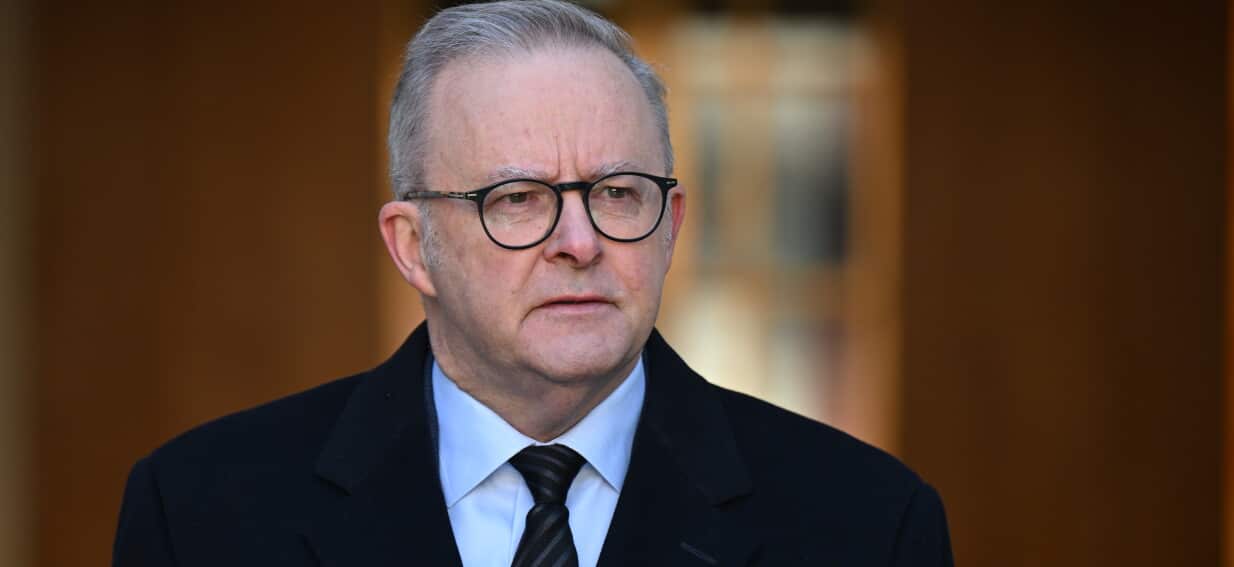
'Use this opportunity': Anthony Albanese reacts as details of US-Iran peace deal emerge
SBS News