Times of India
Times of India··2 min read
FCAS opportunity? What PM Modi and Macron's defence push could mean for 6th-generation fighter
Prime Minister Narendra Modi’s meeting with French President Emmanuel Macron in Nice on 14 June 2026 marked a significant milestone in India‑France defence ties, now elevated to a Special Global Strategic Partnership.
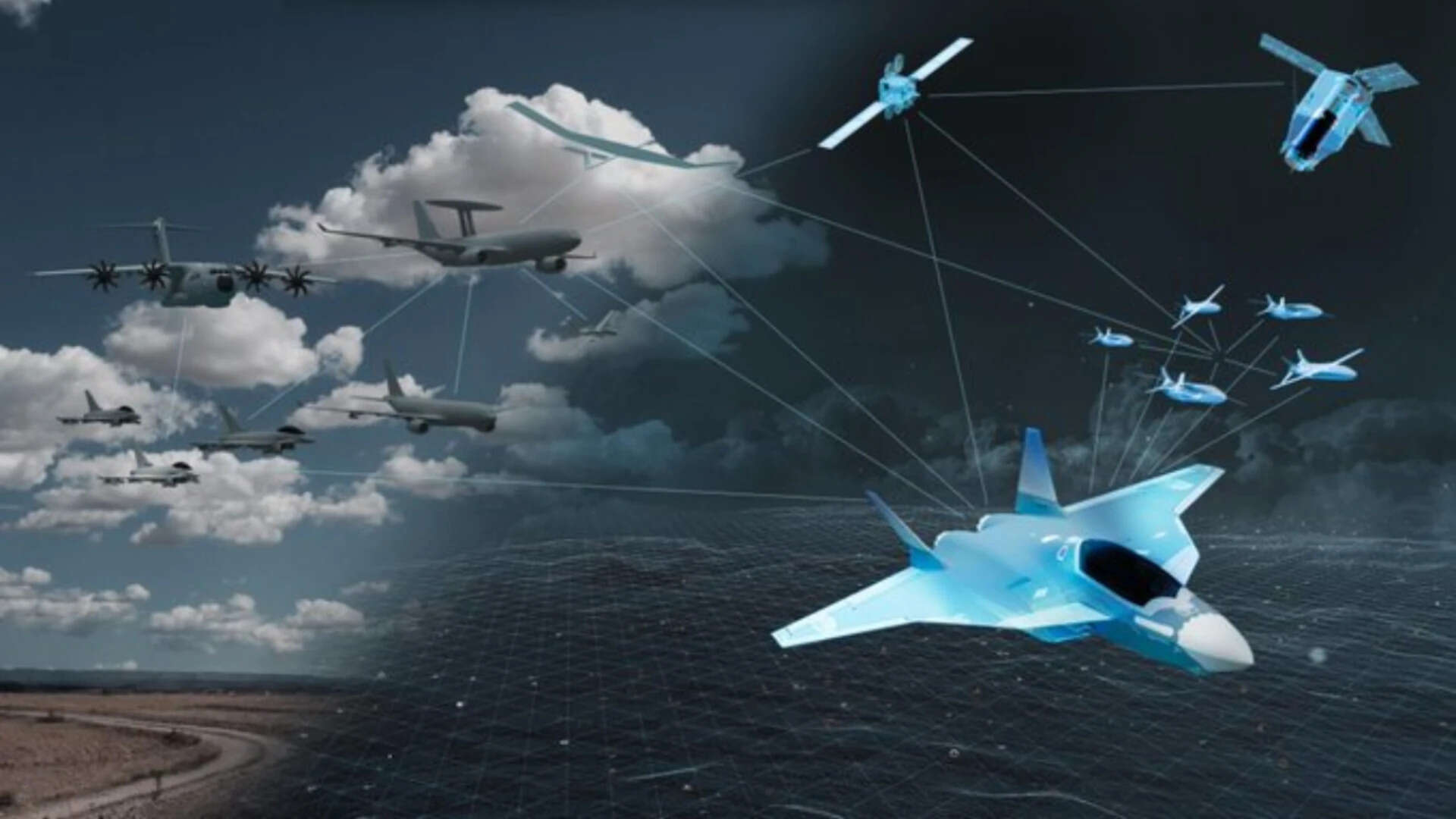
The talks underscored a shared commitment to deepen collaboration through co‑design, co‑development, and co‑production of advanced defence platforms, with particular emphasis on next‑generation technologies. This strategic convergence comes at a pivotal moment, as France recently parted ways with Germany over the Future Combat Air System (FCAS) sixth‑generation fighter project, opening the door for India to emerge as a natural partner.The Franco‑German split reportedly stemmed from disagreements over carrier operability and nuclear delivery capabilities—requirements central to French doctrine but absent in Germany’s arsenal. India, however, possesses both capabilities, aligning more closely with France’s vision for a versatile sixth‑generation aircraft. This alignment strengthens the case for Indo‑French cooperation in developing a fighter that meets the operational needs of both nations, while also advancing their defence industrial partnership.
After the meeting of the two leaders, Foreign Secretary Vikram Misri stated in a press conference that "We aim to move towards co-development, co-design, co-production, and co-manufacturing. Therefore, maximising production, design, and manufacturing within India is desirable and remains our preference. While today's discussions covered various topics beyond the Rafale, the underlying theme was that for any defence platform under consideration, we must proceed with the fundamental objective of maximising local content and local manufacturing".India’s interest in such collaboration was reinforced earlier this month when Air Chief Marshal AP Singh visited France. His engagements with General Jérôme Bellanger, Chief of Staff of the French Air and Space Force, and leading defence firms including Dassault Aviation, Thales, Safran, and MBDA highlighted the Indian Air Force’s intent to seek an international partner for its sixth‑generation ambitions. Singh’s familiarisation with French platforms and facilities underscored the seriousness of India’s pursuit of cutting‑edge technologies and its readiness to integrate into a collaborative program.Sixth‑generation fighters represent a transformative leap beyond current fifth‑generation designs. They feature all‑aspect stealth shaping, digital‑first engineering, variable‑cycle engines, gallium nitride transistors for radars and advanced weapons suites including directed‑energy systems. Integrated artificial intelligence, cyber warfare tools, and manned‑unmanned teaming with loyal wingmen drones will define their operational edge.
For India, partnering with France offers access to these technologies while ensuring co‑development that strengthens indigenous capabilities.At the same time, the United States is advancing its F‑47 under the Next Generation Air Dominance project, alongside the Navy’s F/A‑XX, while China is testing prototypes designated J‑36 and J‑50. Against this backdrop, an India‑France sixth‑generation fighter program would not only bolster both nations’ airpower but also position them as key players in shaping the future of aerial combat.
View original source — Times of India ↗
Related stories

The Punch
NewsJun 15, 2026 · 1 min
Taiwan unveils website to collect intelligence on China
The Punch
The Punch
NewsJun 15, 2026 · 1 min
Soldiers destroy terrorist hideouts in Katsina
The Punch
The Punch
PoliticsJun 15, 2026 · 1 min
EU chief hails US-Iran deal to end war, reopen Hormuz
The Punch

BBC
NewsJun 15, 2026 · 1 min
US musician Oliver Tree dies in helicopter collision in Brazil
BBC