Indian Express
How India cut child deaths faster than the world
5 min readJun 15, 2026 11:15 AM IST
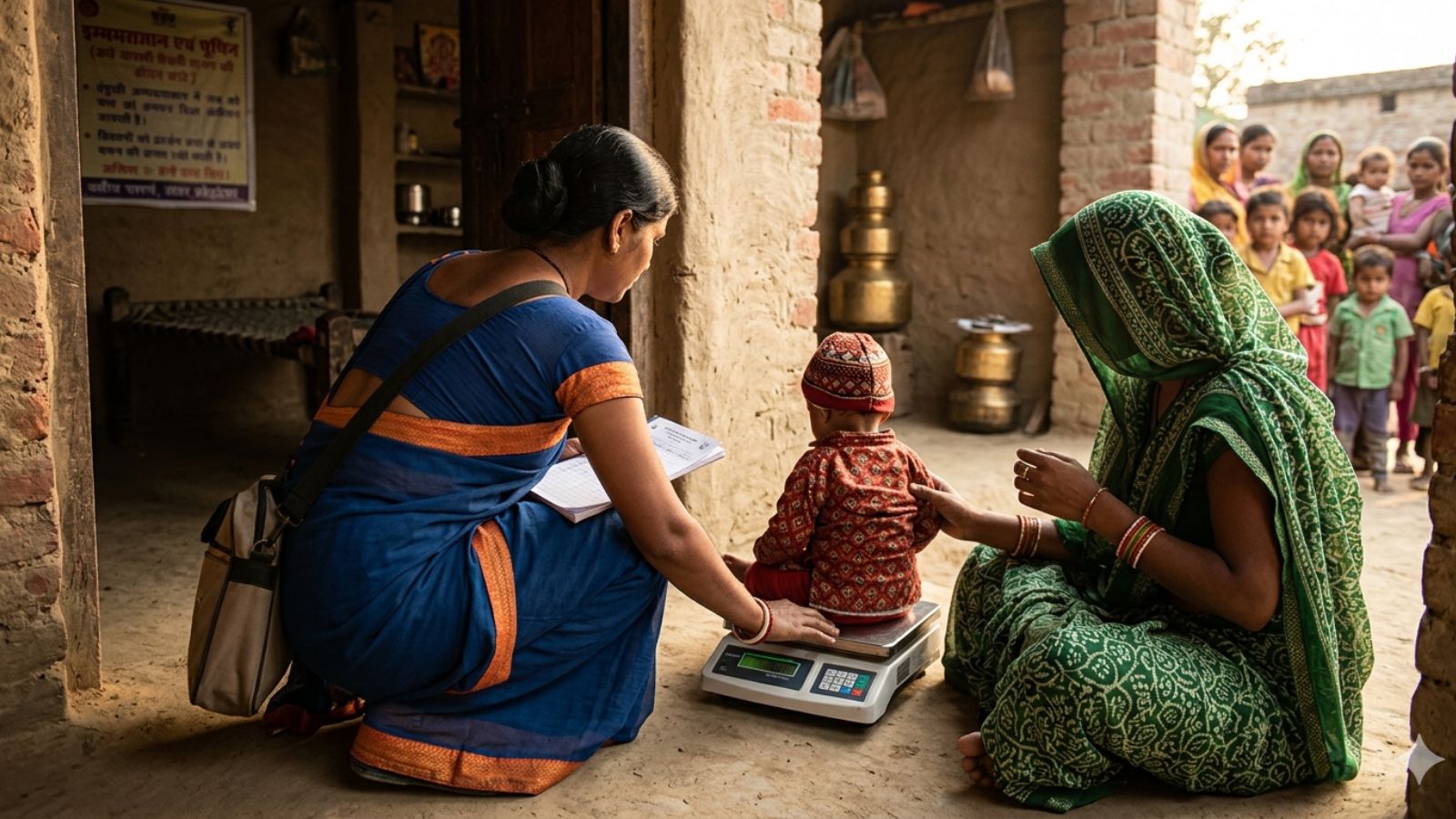
India has strengthened antenatal care, maternal nutrition, early risk detection and referral systems to ensure timely and preventive care during pregnancy. (Photo/AI generated)
By Dr Vinod K Paul
India’s emergence as a global leader in reducing child mortality is among the most significant public health achievements of the past decade. According to the United Nations Inter-Agency Group for Child Mortality Estimation (UN IGME) 2025 Report, released in March 2026, India recorded a 41 per cent decline in under-five mortality and a 37 per cent decline in neonatal mortality between 2014 and 2024, substantially higher than the global reductions of 18 per cent and 15 per cent respectively.
The UN SDG (Sustainable Development Goal) targets for Under-five Mortality Rate (U5MR) and Neonatal Mortality Rate (NMR) are 25 and 12, per 1000 livebirths, respectively. With U5MR of 28 and NMR of 18 already in 2024 (as per Sample Registration System), India is poised to attain these targets before the 2030 timeline. Delivering equitable health services across remote tribal belts, difficult terrains, densely populated urban settlements and socio-economically vulnerable communities remains one of the most complex public health challenges globally. Yet India has demonstrated that large-scale improvements in child survival are achievable when services are systematically organised around the needs of mothers and children, supported by strong public systems, digital accountability and frontline health workers. Targeted attention to aspirational districts and blocks has further helped reduce inequities and accelerate progress in historically underserved regions.
At the core of this transformation lies a deliberate shift from episodic interventions to a structured life-cycle approach anchored in the Reproductive, Maternal, Newborn, Child and Adolescent Health plus Nutrition (RMNCAH+N) strategy. Over the past decade, India has operationalised this framework by progressively aligning maternal health, newborn care, immunisation, nutrition and early childhood development into a single continuum of care.
The journey begins with maternal health. Healthy pregnancies form the foundation of child survival. India has strengthened antenatal care, maternal nutrition, early risk detection and referral systems to ensure timely and preventive care during pregnancy. As per the NFHS-6 (2023–24) report released recently, 76.2 per cent of mothers received antenatal care in the first trimester. Institutional deliveries increased from 88.6 per cent in NFHS-5 (2019–21) to 90.6 per cent in NFHS-6 (2023–24), while births attended by skilled health personnel rose from 89.4 per cent to 91.3 per cent during the same period. These improvements reflect strengthened access to skilled care at critical stages of childbirth.
The most vulnerable period for survival begins immediately after birth. India has responded by building one of the world’s largest facility-based newborn care systems. More than 1,100 special newborn care units and neonatal intensive care units, supported by 2,868 newborn stabilisation units, now provide specialised care to over 15 lakh sick and small newborns annually. Mother-newborn care units (MNCUs) are enabling zero separation of mothers and infants, strengthening breastfeeding practices, and promoting kangaroo mother care, thereby improving survival among low-birth-weight babies. These care practices, combined with strengthened infection prevention and clinical protocols, have also contributed to a reduction in mortality due to neonatal infections, including sepsis.
Newborn care has also become more integrated and system-driven. The hub-and-spoke model strengthens referral linkages between tertiary hospitals, district facilities and peripheral centres, ensuring timely access to appropriate care. A dedicated facility-based newborn care digital platform now tracks every admitted newborn, enabling structured follow-up and improved accountability. Universal screening for visible birth defects at birth has further strengthened early detection and clinical interventions.
Story continues below this ad
Continuity of care beyond facilities remains central to survival gains. More than ten lakh Accredited Social Health Activists (ASHAs) provide scheduled home visits under home-based newborn care, ensuring post-discharge support for families. As per the NFHS 6 Report, postnatal care coverage within two days of delivery increased from 78.0 per cent in 2019–21 to 85.3 per cent in 2023–24.
Full immunisation coverage among children aged 12–23 months increased from 76.6 per cent in 2019–21 to 82.6 per cent in 2023–24 (NFHS -6 Report). The scale-up of rotavirus vaccine coverage from 36.4 per cent (2019-21) to 85.4% (2023-24) has significantly strengthened protection against severe diarrhoeal disease, while the introduction of pneumococcal conjugate vaccine has expanded protection against pneumonia and invasive bacterial infections.
Nutrition remains a critical determinant of child survival and long-term human capital. NFHS-6 shows that stunting among children under five declined from 35.5 per cent in 2019–21 to 29.3 per cent in 2023–24, while severe wasting reduced from 7.7 per cent in 2019–21 to 5.5 per cent in 2023–24. Childhood overweight also declined from 3.4 per cent in 2019–21 to 1.3 per cent in 2023–24.
At the community level, the Mother and Child Protection Card has evolved into a comprehensive tool for growth monitoring, developmental screening, immunisation tracking, nutrition counselling and risk identification. Used jointly by ASHAs, ANMs and Anganwadi workers, it strengthens convergence between health, nutrition and early childhood services at the household and community level.
Story continues below this ad
India’s child survival journey is no longer merely a national success story. It is increasingly a global public health exemplar from which many developing countries can learn.
(The author is former Member (Health and Nutrition), NITI Aayog. Views are personal)
View original source — Indian Express ↗
Related stories

Philippine Daily Inquirer
TechnologyJun 15, 2026 · 1 min
India bets big on domestic drones for future warfare
Philippine Daily Inquirer

BBC
TechnologyJun 15, 2026 · 1 min
What is the UK social media ban for under-16s?
BBC

The Guardian
TechnologyJun 15, 2026 · 1 min
EU leaders set to meet after deadly strikes on Ukraine, including Unesco-listed religious site in Kyiv – Europe live
The Guardian

The Guardian
TechnologyJun 15, 2026 · 1 min
Albanese signals fuel excise cut may be extended to help motorists paying more amid Middle East crisis
The Guardian