Indian Express
Zion Suzuki: Japan’s goalkeeper taking on the World Cup — and racism
4 min readJun 15, 2026 02:32 PM IST
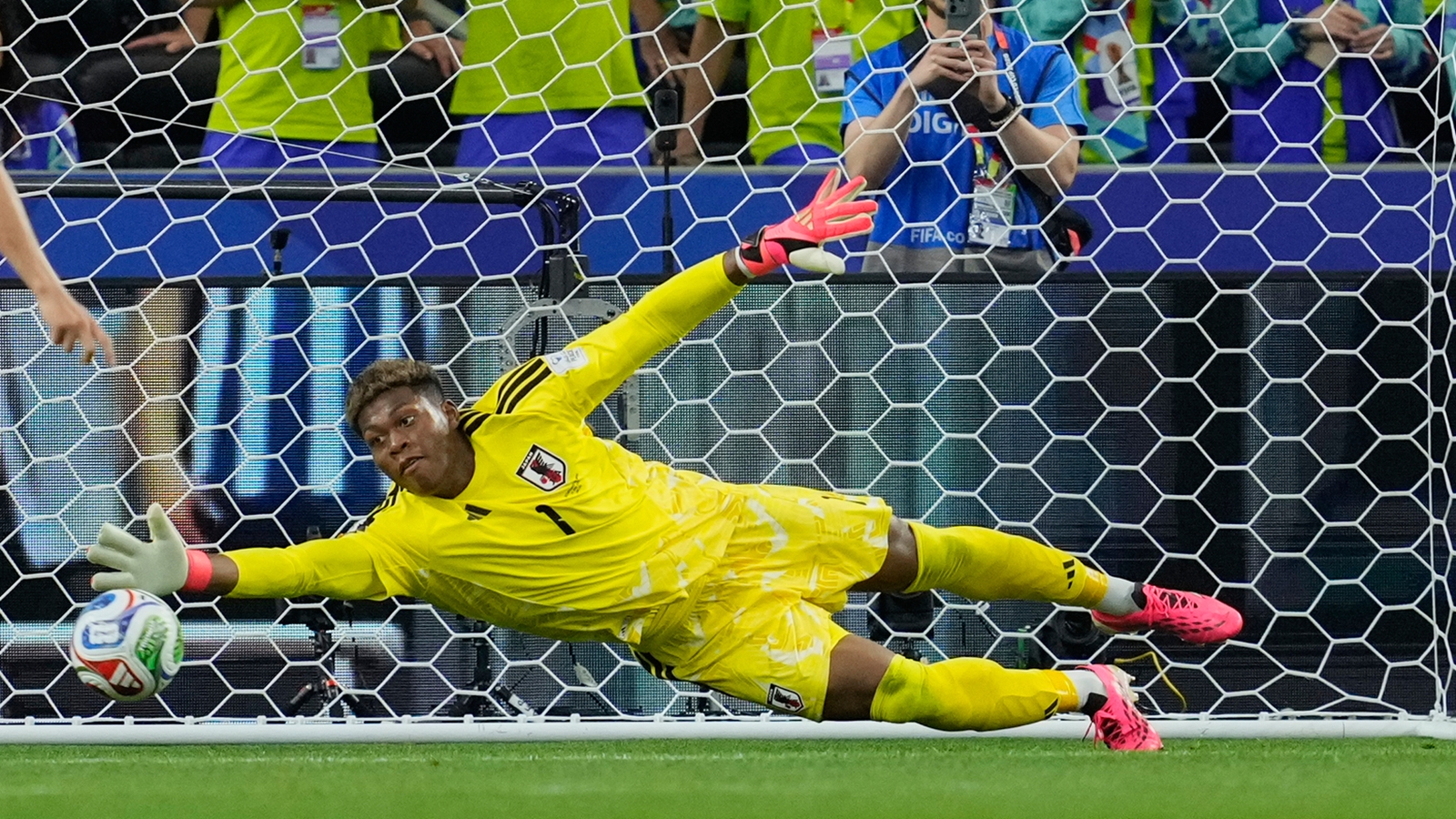
Zion Suzuki, who has been playing for Italian club Parma Calcio for the last two years, has also been reported as a possible replacement for 2022 World Cup winner and Argentina goalkeeper Emiliano Martínez at Aston Villa. (AP Photo)
With Hajime Moriyasu’s Japan fighting out a 2-2 draw against Netherlands in their Group F encounter in Texas, the Asian side has started their campaign showing what the team is capable of. Coming from behind twice, goalkeeper Zion Suzuki played his part with three saves against Netherlands striker Donyell Malen in the first half.
The 23-year-old, who has been playing for Italian club Parma Calcio for the last two years, has also been reported as a possible replacement for 2022 World Cup winner and Argentina goalkeeper Emiliano Martínez at Aston Villa. Born in Newark, New Jersey, to a Ghanaian father and Japanese mother, Suzuki moved to Urawa in Japan as a child and is one of many players at this World Cup representing other countries despite being born in the USA.
Suzuki represented Japanese U15, U16, U17, U18 and U23 teams before making his senior debut in 2022. He had signed a professional contract with Urawa Red Diamonds at the age of 16 years and five months, becoming the youngest player to do so. Belgian club Sint-Truiden secured him on loan in 2023 before he transferred to Serie A club Parma Calcio, a club where legendary goalkeepers including Gianluigi Buffon have played. He has since made 57 appearances for the Italian club and 22 for Japan prior to this World Cup.
Aston Villa have been linked with Suzuki as a replacement for Martínez, who is reportedly in talks with Juventus. Parma, whose valuation of the goalkeeper stands at €20 million, are said to be holding firm given his contract runs until 2029. Prior to the World Cup, Suzuki was Japan’s first-choice goalkeeper ahead of Keisuke Osako and Tomoki Hayakawa. “At the beginning, I made a series of mistakes and showed my inexperience. Now, I feel I can bring a sense of stability to the team. I feel my ability to choose the right option in every situation has improved,” he told FIFA.
Targeted for the colour of his skin
During the AFC Asian Cup in Qatar in January 2024, Zion Suzuki became the target of a torrent of racist abuse on social media following Japan’s shocking 2-1 defeat to Iraq, the latter’s first victory over Japan in 42 years. An error from Suzuki allowed the opening goal, and the response from a section of Japanese social media went far beyond sporting criticism. The flood of abuse in Japanese and other languages targeted his skin colour and mixed heritage directly. It was not even the first time at that tournament. He had already been forced to turn off comments on his Instagram page after racist abuse followed Japan’s earlier 4-2 win against Vietnam. Nor was the Asian Cup an isolated incident. Back in 2021, Suzuki had said he received racist messages almost every day.
This time, Suzuki spoke out publicly: “I know I am being criticised, but I would like people to stop writing racist things. I will not let this break me.” The response from Japan’s football establishment was swift.
Coach Hajime Moriyasu told reporters: “For our precious player Suzuki, I feel very ashamed and appalled that he was racially discriminated. I will support him in any way possible to make sure he’s fully concentrated and focused. They should respect human rights. It can’t happen in a diverse world.” Japanese Football Association president Kozo Tashima also condemned the abuse, stating that the organisation had a zero-tolerance stance and that their aim was to stamp it out. The episode shone a harsh light on Japan’s ongoing struggle with racism toward its mixed-race citizens, and made Suzuki an even more important symbol for a generation of young people of mixed heritage.
View original source — Indian Express ↗
Related stories

ESPN
SportsJun 15, 2026 · 1 min
'Finally': Norway star Erling Haaland on fulfillin...
ESPN

ESPN
SportsJun 15, 2026 · 1 min
To draft or not to draft? Eight players fantasy fo...
ESPN
Sky Sports
SportsJun 15, 2026 · 1 min
Explained: What next for Rashford as Barca option expires today
Sky Sports
Sky Sports
SportsJun 15, 2026 · 1 min
Explained: World Cup VAR official accused of offensive hand gesture
Sky Sports