Indian Express
UK PM announces social media ban for under-16 users: What changes, which platforms are affected
UK Prime Minister Keir Starmer on Monday, June 15, announced that all users under the age of 16 in the country will be banned from accessing social media platforms, including TikTok, Snapchat, and Instagram.
Calling the move a “real change for our children and our future,” Starmer made the announcement in front of an audience that included parents who had lost children after suffering from the ‘harmful’ effects of social media, according to a report by The Guardian. The move is part of the UK government’s broader plans to keep young people safe online and help address late-night scrolling on phones.
Starmer further said that his government is looking to pass legislation formalising the decision by the end of this year, with the ban set to come into force by early 2027. It comes amid mounting concerns over the impact of social media on children’s health and safety.
Australia in December 2025 became the world’s first country to ban social media for children under 16, blocking them from platforms including TikTok, Alphabet’s YouTube, and Meta’s Instagram and Facebook. Since then, several governments have imposed or considered imposing similar restrictions. In June 2026, Malaysia began barring those under 16 from registering accounts on social media platforms. Turkey has also passed legislation banning the use of social media by children under 15.
The Indian government, on the other hand, is exploring a more nuanced, graded approach to safeguarding young users online, The Indian Express previously reported. However, the state government in Karnataka announced a ban on social media use by children under 16 in its latest Budget. Other states like Andhra Pradesh and Goa are also moving to introduce similar measures.
Stating that a full ban is the right choice, Starmer on Monday said, “Social media is making children unhappy, it’s making it easier for bullies to harass and abuse them, and it could even be harming their mental health.”
“This is not something I do lightly, and I will not present it as cost-free, as if social media has [brought no] benefits to young people, because clearly that is wrong. But the government is always about choices, and it’s clear to me that a total ban is the right choice,” the UK prime minister was quoted as saying by The Guardian.
We are banning social media access for under 16s.
These days kids must find their feet in a world where technology intrudes into every area of their life.
I just can’t let that go on anymore. So we’re giving children their childhoods back. pic.twitter.com/jn7iQrcwk8
— Keir Starmer (@Keir_Starmer) June 15, 2026
On the risk of teenagers attempting to circumvent the ban, Starmer said, “We don’t say, ‘Oh, look, a teenager managed to get a drink somehow, so let’s not bother banning alcohol sales for children.’ We don’t do that, do we? I just don’t accept that. Our laws are rules, but they’re also an expression of our values. They shape the social contract, and so this will change the conversations that parents have, and the expectations of children over time.”
Story continues below this ad
“Yes, it’s hard – hard to legislate for, hard to regulate, hard to enforce. That’s why we sought a wide range of views on this. That’s why we listened to people, had a conversation, we looked carefully at the evidence, learned from countries like Australia that are taking similar steps,” he added.
On whether he expected a backlash from US tech giants over the proposed ban, Starmer said, “I do not accept, and I will never accept that you can’t be both pro tech and AI, and at the same time say we must protect our children. I’m never going to accept the argument that for the future of AI and tech, we must leave our children exposed in the way that they have been, or they might be in the future.”
Earlier this year, the UK government carried out a stakeholder consultation on a social media ban and other restrictions, with children and adults asked to submit their responses on what they think should happen. The consultation found that nine in 10 parents backed a minimum age of 16 for accessing the apps. However, digital rights advocates and experts have raised concerns that a ban could lead to more problems.
Which social media platforms will be banned?
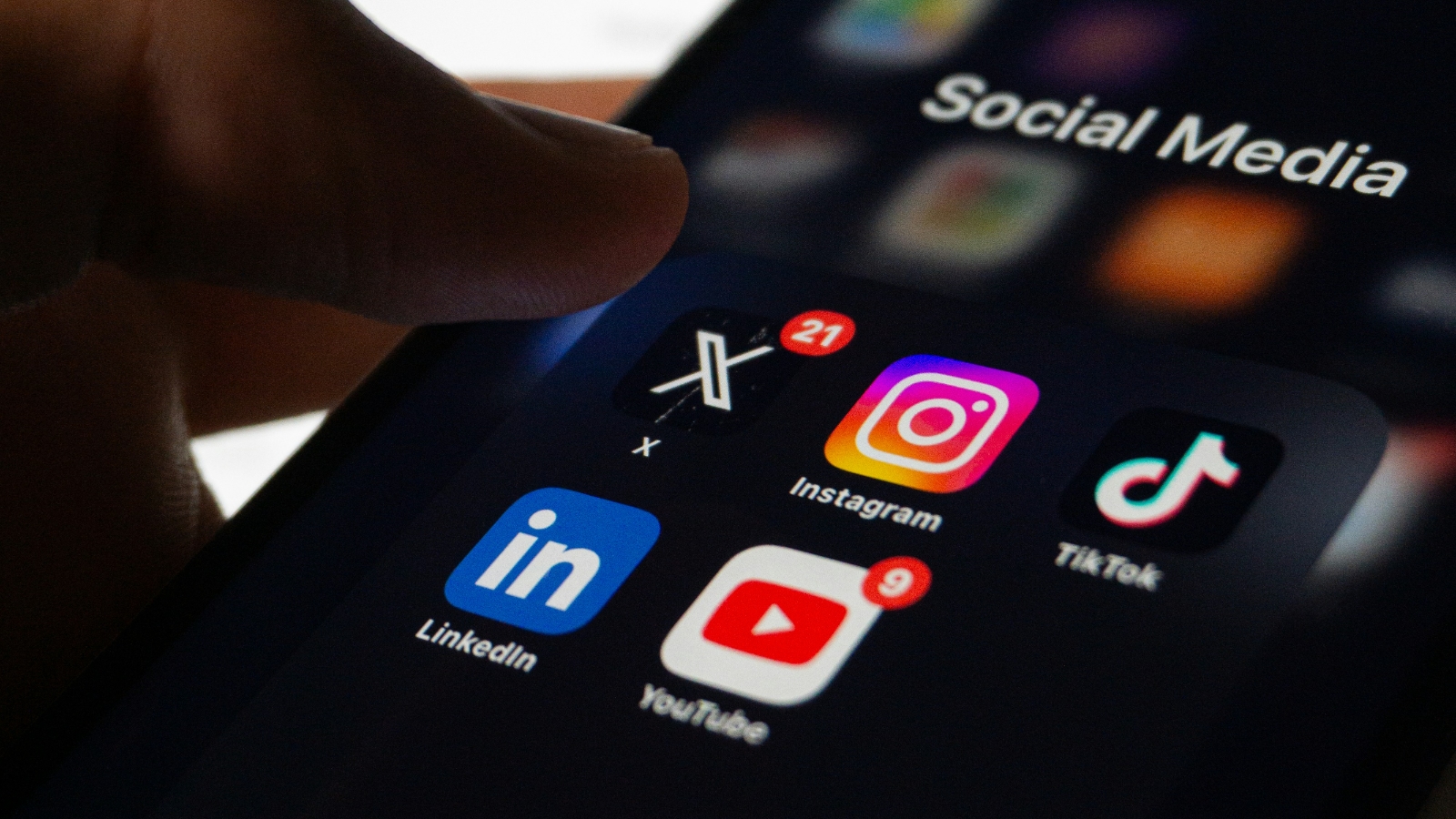
The ban will cover platforms including Snapchat, TikTok, YouTube, Instagram, Facebook and X, as per the UK government. Messaging services like WhatsApp and Signal have been left out, according to a BBC report.
Story continues below this ad
The UK government is yet to release the full list of which platforms will be banned for under-16 users. It has said that the ban will apply to those “whose purpose is to enable social interaction and which allow users to post material.”
The UK’s social media ban also goes a step further than Australia’s pioneering decision by proposing to bring gaming platforms under the regulatory ambit. It will require platforms to prevent children from being able to livestream, including on gaming platforms.
Additional functions such as the option for children under-16 to chat with strangers would also be required to be disabled. These restrictions on specific functions would also be required to be on by default for under-17 users. The UK government is also looking to impose overnight curfews and breaks in infinite scrolling for under-18 users.
On the AI front, the government said that companies behind AI chatbots designed to simulate sexual relationships or roleplay with users, will have to enforce a minimum age of 18 for access. AI chatbot makers will also have to restrict “intimate functionalities” for under-18 users.
Story continues below this ad
How will the ban be enforced?
The UK government reportedly plans on requiring platforms to take “highly effective age assurance” measures to check the ages of all users in the UK using social media. Age assurance generally refers to a set of measures such as requiring users to scan their faces or submit IDs in order to accurately estimate or verify someone’s age.
Ofcom, the country’s internet regulatory, has been directed by the government to carry out a rapid study to identify the best ways to verify if someone is over 16. For context, several platforms such as pornographic websites are already required to carry out age-assurance checks to prevent children from accessing adult material. In the past, Ofcom has levied fines on platforms that have not complied with the rules.
What are the concerns raised?
One of the key concerns that stem from a social media ban is tools such as virtual private networks (VPNs) or AI-based tools used to change the users’ appearance, may still allow underage users to get around the blocks set up by platforms. Acknowledging that a ban does not mean no child would ever be able to log onto social media again, PM Starmer said that it was nevertheless important to act.
Mandatory age assurance systems online also pose significant risks to user privacy and security.
Story continues below this ad
“Age-assurance checks not only might be ineffective, but can actually diminish safety online by exposing users to malware and scams when they resort to alternative services that do not implement verification—and users will undoubtedly turn to such alternative sources,” read a March 2026 open letter signed by hundreds of researchers worldwide. The letter calls for a moratorium on age-assurance tools until there is clear scientific consensus on their benefits and harms.
Groups that advocate for digital privacy and free speech such as the Electronic Frontier Foundation (EFF) have further argued that it is impossible to ensure platforms do not retain user data gathered for age-verification.
View original source — Indian Express ↗
Related stories

ZDNet
TechnologyJun 15, 2026 · 1 min
I installed a $17 solar panel onto my doorbell camera, and it's easily my best smart home investment
ZDNet

Lovin Malta
TechnologyJun 15, 2026 · 1 min
Watch: Drivers Urged To Avoid Selmun Hill Following Traffic Incident
Lovin Malta

BBC
TechnologyJun 15, 2026 · 1 min
Social media ban - bold and blunt, but no silver bullet
BBC

TechRadar
TechnologyJun 15, 2026 · 1 min
Early Prime Day deals just dropped at Amazon UK — get up to 65% off Ring, Blink, Ninja, Apple, Sonos, and more
TechRadar