BBC
BBC··3 min read
Commissioner 'disappointed' by social media ban for children
Just now
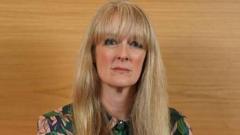
Nicola Killean warned that a ban "may inadvertently push children to less regulated or riskier parts of the internet".
She added that the ban was not a "proportionate, effective, or enforceable way to protect children's rights".
Announcing the move, the prime minister said he was clear that a "full ban is the right choice".
"Every parent can see it with their own eyes. Social media is making children unhappy," he said.
He added thatit was "making it easier for bullies to harass and abuse" children and "could even be harming their mental health – exposing them to content that is dangerous, because that's what grabs the attention".
But Killean said her office had carried out research ahead of the announcement, and that "the available evidence does not currently show a blanket ban would make children safer online".
She said: "As part of the government's consultation, we undertook a children's rights impact assessment, which found a social media ban for under-16s would not currently be a proportionate, effective, or enforceable way to protect children's rights."
She said that while she acknowledged social media could expose children "to serious risks, including harmful content, cyberbullying, manipulation, contact from strangers, exploitation and excessive use", it could also "play an important role in many children's lives by supporting communication, self-expression, access to information, participation, play and connection with communities and support networks."
She also said the ban could "impact some groups of children more than others".
"Children in rural areas, children with family overseas, disabled children, and children who rely on online spaces for identity, support, or community may be particularly affected," she said.
Killean said there should be a greater focus on holding social media companies accountable, especially when it came to "addictive and exploitative features".
'Darker places on the internet'
"Platforms should change so they are suitable for children, rather than children simply being banned from them," she added.
She said it was crucial that children "know that they can report harmful content without repercussions" and "must not feel they are to blame or that they are doing something wrong".
"There is a real risk now that children will be driven to darker places on the internet and stop talking to adults about what they might see."
Mary Glasgow, chief executive of Scotland's national children's charity Children First, said that, while she welcomed the plans, more still needed to be done.
"Given children are likely to find ways around a ban, they will continue to be harmed unless tech companies are forced to implement changes to ensure their products are safe from the start," she said.
"Bans on social media and smartphones in schools can begin to shift cultural norms, but they will not fix a system designed to maximise profit and ignore protection. "
She urged both the UK and Scottish governments to hold tech companies to account and drive a comprehensive public health response to digital harm".
More
Minister for Children and Young People Siobhian Brown said "more clarity" was needed on what the proposals "actually mean in practice".
She added that the plans shouldn't be "rushed through without a clear plan for actually holding social media companies accountable for their failures to protect children".
"Scottish ministers have been clear that social media companies have a fundamental responsibility to enforce their own policies on harmful content, and the UK government must now set out how Ofcom will use its full regulatory powers to enforce change," she said.
Related stories

The Punch
PoliticsJun 15, 2026 · 1 min
Reps extend 2025 capital budget implementation to September
The Punch
The Punch
PoliticsJun 15, 2026 · 1 min
Avoid political influence, Adeleke warns corps members ahead of Osun poll
The Punch
The Punch
PoliticsJun 15, 2026 · 1 min
Reps aspirant sues NDC for N5bn over ‘scrapped’ primary
The Punch
The Punch
NewsJun 15, 2026 · 1 min
Ojukwu varsity dismisses two profs, three others for gross misconduct
The Punch