Indian Express
Amid US-Iran deal, LNG tanker Disha crosses Hormuz; first Indian ship exit Persian Gulf in 2 months
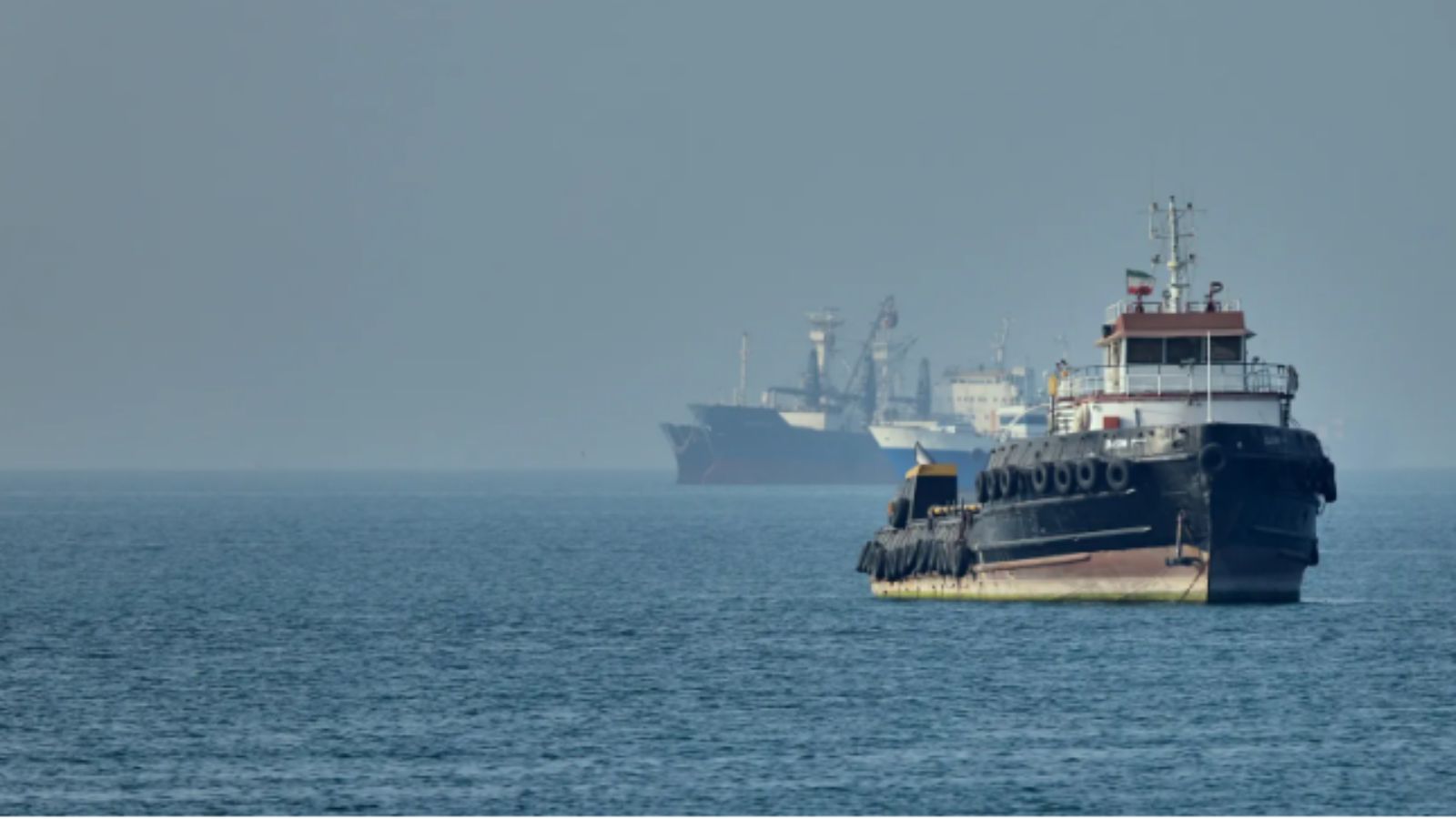
Indian liquefied natural gas (LNG) tanker Disha crossed the Strait of Hormuz on Monday amid the announcement that the US and Iran have reached a peace deal. Disha, which is operated and managed by state-owned Shipping Corporation of India (SCI), is the first Indian merchant vessel to cross the fraught waters of the Strait of Hormuz in nearly two months. It is carrying Qatari LNG for India.
According to ship tracking data and industry watchers, it is also the first vessel to cross the strait since the announcement of the peace pact, which is expected to be inked later this week. Shipping sector insiders say that the shippers are watching the developments with caution, and traffic through the strait has not really picked up in spite of the announcement that a US-Iran deal has been worked out. Experts said that it could take weeks for traffic through the strait to meaningfully pick up. That too, if they feel assured that the peace deal will hold, given the experience of the past three months.
Share prices soared Monday in Asia after a deal was announced on ending the Iran war and reopening the Strait of Hormuz. (File Photo)
Carrying LNG for India’s largest LNG importer Petronet LNG, the Malta-flagged Disha had been stranded in the Persian Gulf for over three months amid the West Asia war. With Disha crossing the strait, the number of Indian vessels in the Persian Gulf, which is to the west of the Strait of Hormuz, now stands at 13. Since early March, a total of 10 Indian vessels—of which nine were also India-flagged—have crossed the narrow waterway that connects the Persian Gulf with Gulf of Oman and the Arabian Sea, and is counted among the world’s most critical maritime chokepoints.
“As we speak now, LNG carrier Disha, managed by a Shipping Corporation of India-led consortium, has safely transited the Strait of Hormuz, and she is carrying 62,370 metric tonnes of LNG cargo. The vessel is supposed to enter Dahej on coming to India, likely on the 18th (of June),” Shipping Ministry Director Opesh Kumar Sharma said. He added that the government stands ready to bring back the Indian ships stranded in the Persian Gulf whenever the strait opens and it is deemed safe for sailing, but didn’t go into details of the preparation.
As per vessel tracking data from MarineTraffic, Disha crossed the Strait of Hormuz with the Automatic Identification System (AIS) transponder on, broadcasting its location continuously. Most vessels that have crossed the strait in recent weeks have done so by switching off their transponders, or going dark, to avoid detection.
While a few Indian ships made their way through the strait over a weeks-long period starting mid-March due to diplomatic efforts by the government, transits of Indian and India-bound vessels came to a standstill after the April 18 incident in which a couple of Indian ships were fired upon by Iranian forces as they attempted to cross the waterway.
One vessel—Desh Garima—did manage to slip out on April 18. The US also started its own blockade of Iranian ports mid-March, which worsened the maritime security scenario in the region. Since then, a few tankers carrying liquefied petroleum gas (LPG), LNG, and crude oil for India did transit the strait, none of them were India-flagged or owned by Indian firms.
Story continues below this ad
A man passes by a giant billboard that shows the late Iranian leader Ayatollah Ali Khamenei, center, and Iranian Supreme Leader Ayatollah Mojtaba Khamenei, with Arabic writing that reads: “Thank you Iran”, in Dahiyeh, Beirut’s southern suburbs, Lebanon, Monday (AP Photo)
Iran suddenly closed the strait on April 18—within a day of announcing unimpeded vessel movements through the waterway—leading to confusion among vessels that had lined up to cross the chokepoint. This incident, and subsequent similar ones with Iran and the US running their own blockades in the region, further hit the already constrained vessel movements through the strait.
Among the Indian vessels that have crossed the Strait of Hormuz since early March are eight LPG tankers, one crude oil tanker, and one LNG tanker—Disha. A couple of Indian tankers also exited the war zone in this period, but they didn’t have to cross the strait as they were already in the Gulf of Oman. One of them was loading at the UAE’s Fujairah port when the oil terminal there came under attack.
Around 40% of India’s crude oil imports, 60% of its LNG imports, and a whopping 90% of its LPG imports came from West Asia through the strait, making the chokepoint particularly critical for India’s LPG supplies. That’s primarily the reason why India has prioritised the movement of LPG tankers over its other vessels through the strait. Before the war, the chokepoint usually saw the movement of a fifth of global oil and LNG flows. Apart from the 13 Indian ships stuck in the Persian Gulf, a number of foreign-flagged vessels carrying cargo for India are also stranded in the region.
Scores of commercial vessels with thousands of seafarers have been stuck in the Persian Gulf since the West Asia war began on February 28 as vessel movements through the Strait of Hormuz ground to a halt after warnings from Iran; a few ships had also come under attack. For Iran, its ability to disrupt global trade and energy flows by effectively closing the Strait has proven to be its most potent weapon and bargaining chip in the West Asia war. The halt in traffic through the Strait have sent energy prices soaring, caused shortages in various parts of the world, and forced some countries to ration fuel supplies amid the global supply crunch and price shock.
View original source — Indian Express ↗
Related stories

TASS
BusinessJun 15, 2026 · 1 min
Mass use of 3D printing in construction will begin in Russia after 2030 — expert
TASS
MarketWatch
BusinessJun 15, 2026 · 1 min
Rocket Lab’s stock rebounds, as one analyst says the SpaceX-fueled selloff was misguided
MarketWatch

Antara News
BusinessJun 15, 2026 · 1 min
Indonesia eyes global wellness leadership through jamu industry
Antara News
Indian Express
BusinessJun 15, 2026 · 1 min
Trump threatens 100% tariff on French wine over tech tax ahead of G7 summit
Indian Express