Indian Express
Serum’s HPV vaccine to be included in national immunisation programme after 2027
4 min readJun 15, 2026 08:18 PM IST
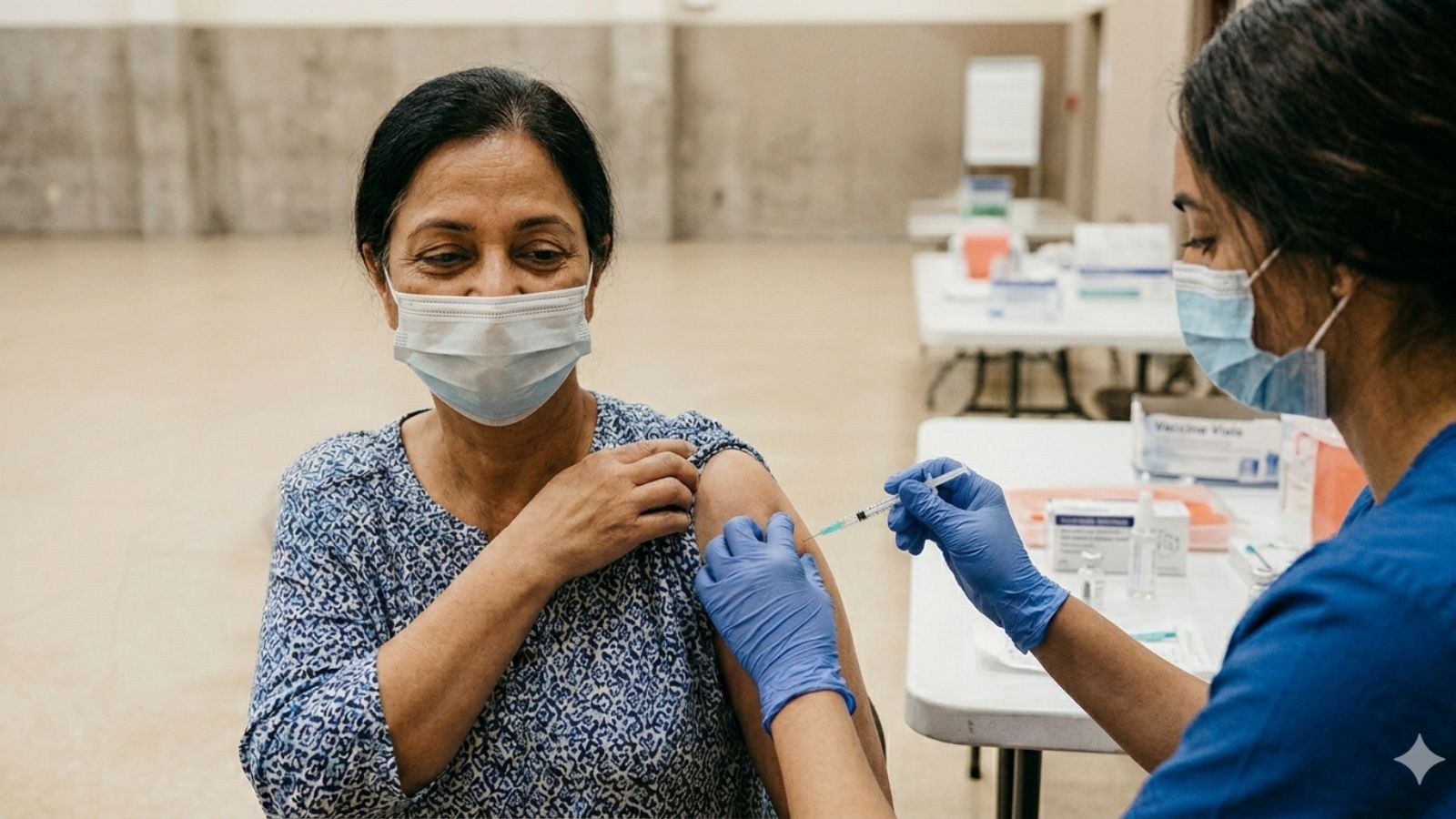
Persistent HPV infection is known to cause nearly 85% of all cervical cancers, the second most common cancer among women, affecting nearly 1.25 lakh women and killing 75,000 each year.Persistent HPV infection is known to cause nearly 85% of all cervical cancers, the second most common cancer among women, affecting nearly 1.25 lakh women and killing 75,000 each year. (AI generated image)
The HPV vaccine developed by the Serum Institute of India, with support from the Department of Biotechnology, is likely to be included in the national vaccination drive after 2027 — once the results of the trial to see the efficacy of its single dose become available.
Dr Rajesh Gokhale, secretary of department of biotechnology, said, “Cervavac is a two dose vaccine because of which it was not initially launched. The single-dose will come in (to the national programme) after it has been clinically tested.” The study is currently underway with the results expected next year, he added.
While the cost of Cervavac for the government is not known, it costs around Rs 2,000 in the market.
The Health Ministry rolled out the HPV vaccination campaign for 14-year-old girls earlier this year using MSD’s (Merck Sharp & Dohme’s) Gardasil, which already has data to show that a single dose is as efficacious as two doses in this age group. “A retrospective study can also be conducted (a study where people, who have missed one dose of vaccination, are selected from the population and their outcomes compared to those who have received the complete two doses) but the current study will take about a year,” said Dr Gokhale.
Union Minister of Science and Technology Dr Jitendra Singh said that the current study to test the effectiveness of one dose of the SII vaccine against one dose of MSD vaccine is a better way to do it “for more credibility, especially when it comes to human lives.”
Persistent HPV infection is known to cause nearly 85% of all cervical cancers, the second most common cancer among women, affecting nearly 1.25 lakh women and killing 75,000 each year. HPV vaccination against the four most common strains known to cause cervical cancer has been shown to prevent most infections and thereby cancers.
With an estimated 1.15 crore girls turning 14 each year, the country has enough vaccines for the campaign at present. The GAVI (Global Alliance for Vaccines and Immunisation) has provided around 2.6 crore doses to India, which should be enough for the current as well as next year, after which Serum’s Cervavac may be inducted.
Story continues below this ad
There is an ongoing study — undertaken by the Indian Council of Medical Research (ICMR) in three of its institutes — that will follow 504 girls who have received one dose of either Serum’s Cervavac or MSD’s Gardasil for a period of two years. The two vaccines will be compared by testing the levels of antibodies that persist against the two most common strains of HPV (16 and 18) in girls given both the vaccines. If the levels are similar, Cervavac will be considered to be equally efficacious.
The National Technical Advisory Group on Immunisation (NTAGI) — a body of experts that suggests the government about inclusion of various vaccines into national programmes — had recommended HPV vaccination in 2017 and 2022. The body had recommended the inclusion of the indigenously-developed vaccine as a two-dose regimen, to tide over studies on the one-dose vaccine.
It suggested an alternative: “In the UIP, a mechanism may be developed to follow up girls who may have received only one dose in the programme and do not come back to receive a second dose as recommended. Their samples may be collected after two years and real-world immunogenicity and effectiveness data of single dose may be generated.”
© The Indian Express Pvt Ltd
Anonna Dutt is a Principal Correspondent who writes primarily on health at the Indian Express. She reports on myriad topics ranging from the growing burden of non-communicable diseases such as diabetes and hypertension to the problems with pervasive infectious conditions. She reported on the government’s management of the Covid-19 pandemic and closely followed the vaccination programme.
Her stories have resulted in the city government investing in high-end tests for the poor and acknowledging errors in their official reports.
Dutt also takes a keen interest in the country’s space programme and has written on key missions like Chandrayaan 2 and 3, Aditya L1, and Gaganyaan.
She was among the first batch of eleven media fellows with RBM Partnership to End Malaria. She was also selected to participate in the short-term programme on early childhood reporting at Columbia University’s Dart Centre. Dutt has a Bachelor’s Degree from the Symbiosis Institute of Media and Communication, Pune and a PG Diploma from the Asian College of Journalism, Chennai. She started her reporting career with the Hindustan Times.
When not at work, she tries to appease the Duolingo owl with her French skills and sometimes takes to the dance floor. ... Read More
View original source — Indian Express ↗
Related stories

ZDNet
TechnologyJun 15, 2026 · 1 min
RefreshOS is a top contender for new Linux users - here's why
ZDNet

TechRadar
TechnologyJun 15, 2026 · 1 min
This Dell laptop deal is a steal for work and study — and I'm impressed with the specs for this price
TechRadar
The Guardian
TechnologyJun 15, 2026 · 1 min
‘The genie’s out the bottle’: parents react to UK under-16s social media ban
The Guardian

TechRadar
TechnologyJun 15, 2026 · 1 min
Move over Samsung and Google — you can currently get the 'intentionally outlandish' Nothing Phone (3) for its lowest…
TechRadar