Indian Express
Indian Express··5 min read
Pune experiences driest first half of June since 1958
3 min readPuneJun 15, 2026 08:52 PM IST
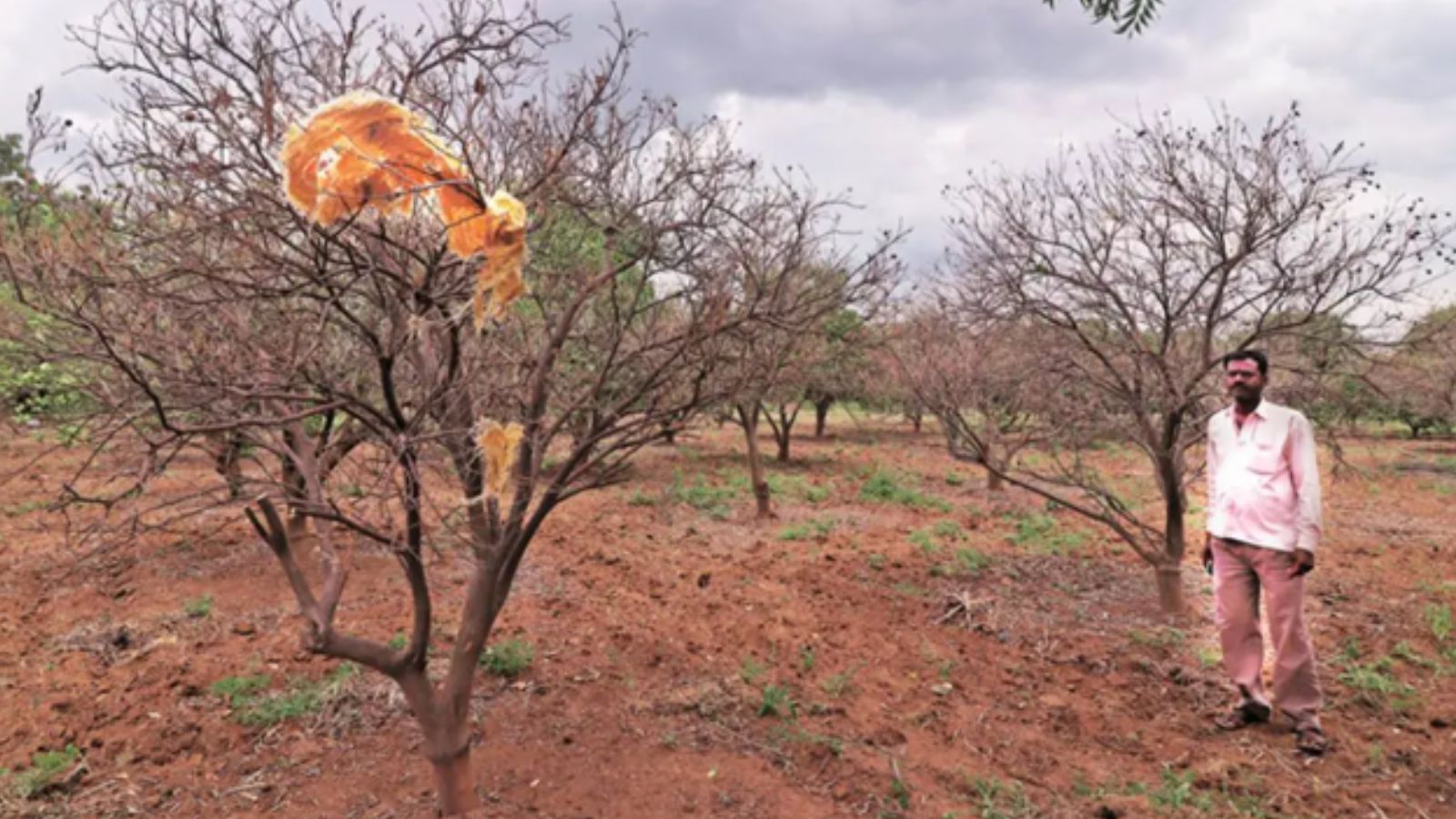
The IMD says that the monsoon flow is not strong enough to ensure adequate rain. ((Express File photo by Nirmal Harindran)
For the first time since 1958, the Shivajinagar station in Pune recorded no rainfall in the first 15 days of June.
Before that, 1915 and 1932 had the highest number of no rainfall days, according to data from the India Meteorological Department (IMD) Pune. The records go back to 1901.
“However, the monthly rainfall in these years at the end of June ended up as 362 mm in 1915, 79 mm in 1932 and 65 mm in 1958. In 1958, the first rain occurred on June 16 and, in the other two years, it was on June 18,” an IMD Pune expert.
This year, June started with Lohegaon getting drenched and Hadapsar receiving some rain but most parts of Pune are feeling the effects of the below-normal, driest monsoon in 10 years.
The IMD says that the monsoon flow is not strong enough to ensure adequate rain. “The conditions are not favourable for the next few days for further advance of monsoon over Maharashtra,” says a weather expert.
The minimum temperature at Shivajinagar was 25 degrees Celsius on Monday, similar to the readings over the last few days. The minimum temperature was the highest in Koregaon Park and Hadapsar, at 26.5 degrees Celsius. NDA and Lavale were 22.6 degrees while Magarpatta recorded 25 degrees and Chinchwad 25.5 degrees in the morning.
The maximum temperature, too, has been constant over Pune, around 35 degrees Celsius.
On Monday, Pashan was among the warmest parts of Pune with the mercury hovering around 35.6 degree C. The difference in the warmth across the city was around 5 degrees Celsius, with Chinchwad, NDA, Hadapsar and Wadgaonsheri in the 34 degree Celsius range.
That the maximum and minimum temperatures are stable is another indication that there is no increase in moisture in the air or strong winds associated with the monsoon.
Story continues below this ad
The strength of the monsoon depends on the power of the Southwesterly winds. The major factor responsible for the below-normal monsoon this year is the El Niño, a climate phenomenon in the equatorial Pacific that plummets weather across the world, causing extreme weather events in places, such as India.
According to the US National Oceanic and Atmospheric Administration, the El Niño has officially formed and could be “among the largest El Niño events in the historical record going back to 1950”.
With the monsoon not arriving in Pune any time soon, the IMD has forecast clear skies that could turn cloudy in the afternoon or evening in the next few days.
The minimum temperature is expected to be between 34 and 36 degrees in Pune while the maximum temperature appears to stay around 35 degrees. In parts of central Maharashtra, Vidarbha and Marathwada, however, the Regional Meteorological Centre Mumbai has declared a yellow alert to inform people of possible thunderstorms, lightning and squall till June 18-19.
© The Indian Express Pvt Ltd
Dipanita Nath is a Senior Assistant Editor at The Indian Express, based in Pune. She is a versatile journalist with a deep interest in the intersection of culture, sustainability, and urban life.
Professional Background
Experience: Before joining The Indian Express, she worked with other major news organizations including Hindustan Times, The Times of India, and Mint.
Core Specializations: She is widely recognized for her coverage of the climate crisis, theatre and performing arts, heritage conservation, and the startup ecosystem (often through her "Pune Inc" series).
Storytelling Focus: Her work often unearths "hidden stories" of Pune—focusing on historical institutes, local traditions, and the personal journeys of social innovators.
Recent Notable Articles (December 2025)
Her recent reporting highlights Pune’s cultural pulse and the environmental challenges facing the city during the winter season:
1. Climate & Environment
"Pune shivers on coldest morning of the season; minimum temperature plunges to 6.9°C" (Dec 20, 2025): Reporting on the record-breaking cold wave in Pune and the IMD's forecast for the week.
"How a heritage tree-mapping event at Ganeshkhind Garden highlights rising interest in Pune’s green legacy" (Dec 20, 2025): Covering a citizen-led initiative where Gen Z and millennials gathered to document and protect ancient trees at a Biodiversity Heritage Site.
"Right to breathe: Landmark NGT order directs PMC to frame norms for pollution from construction sites" (Dec 8, 2025): Reporting on a significant legal victory for residents fighting dust and air pollution in urban neighborhoods like Baner.
2. "Hidden Stories" & Heritage
"Inside Pune library that’s nourished minds of entrepreneurs for 17 years" (Dec 21, 2025): A feature on the Venture Center Library, detailing how a collection of 3,500 specialized books helps tech startups navigate the product life cycle.
"Before he died, Ram Sutar gave Pune a lasting gift" (Dec 18, 2025): A tribute to the legendary sculptor Ram Sutar (creator of the Statue of Unity), focusing on his local works like the Chhatrapati Shivaji statue at Pune airport.
"The Pune institute where MA Jinnah was once chief guest" (Dec 6, 2025): An archival exploration of the College of Agriculture, established in 1907, and its historical role in India's freedom struggle.
3. Arts, Theatre & "Pune Inc"
"Satyajit Ray, Ritwik Ghatak were not rivals but close friends, says veteran filmmaker" (Dec 17, 2025): A deep-dive interview ahead of the Pune International Film Festival (PIFF) exploring the camaraderie between legends of Indian cinema.
"Meet the Pune entrepreneur helping women build and scale businesses" (Dec 16, 2025): Part of her "Pune Inc" series, profiling Nikita Vora’s efforts to empower female-led startups.
"How women drone pilots in rural Maharashtra are cultivating a green habit" (Dec 12, 2025): Exploring how technology is being used by women in agriculture to reduce chemical use and labor.
Signature Style
Dipanita Nath is known for intellectual curiosity and a narrative-driven approach. Whether she is writing about a 110-year-old eatery or the intricacies of the climate crisis, she focuses on the human element and the historical context. Her columns are often a blend of reportage and cultural commentary, making them a staple for readers interested in the "soul" of Pune.
X (Twitter): @dipanitanath ... Read More
Click here to join Express Pune WhatsApp channel and get a curated list of our stories
View original source — Indian Express ↗
Related stories

ESPN
SportsJun 15, 2026 · 1 min
Source: Pickens reports ahead of Cowboys' camp
ESPN

The Punch
PoliticsJun 15, 2026 · 1 min
VIDEO: Cherubim and Seraphim members protest insecurity, demand release of abducted Oyo students
The Punch
The Punch
NewsJun 15, 2026 · 1 min
Makinde swears in new Head of Service, commissioners
The Punch
The Punch
PoliticsJun 15, 2026 · 1 min
Deregistration: You are playing with fire, ADC rejects court judgement
The Punch