South China Morning Post
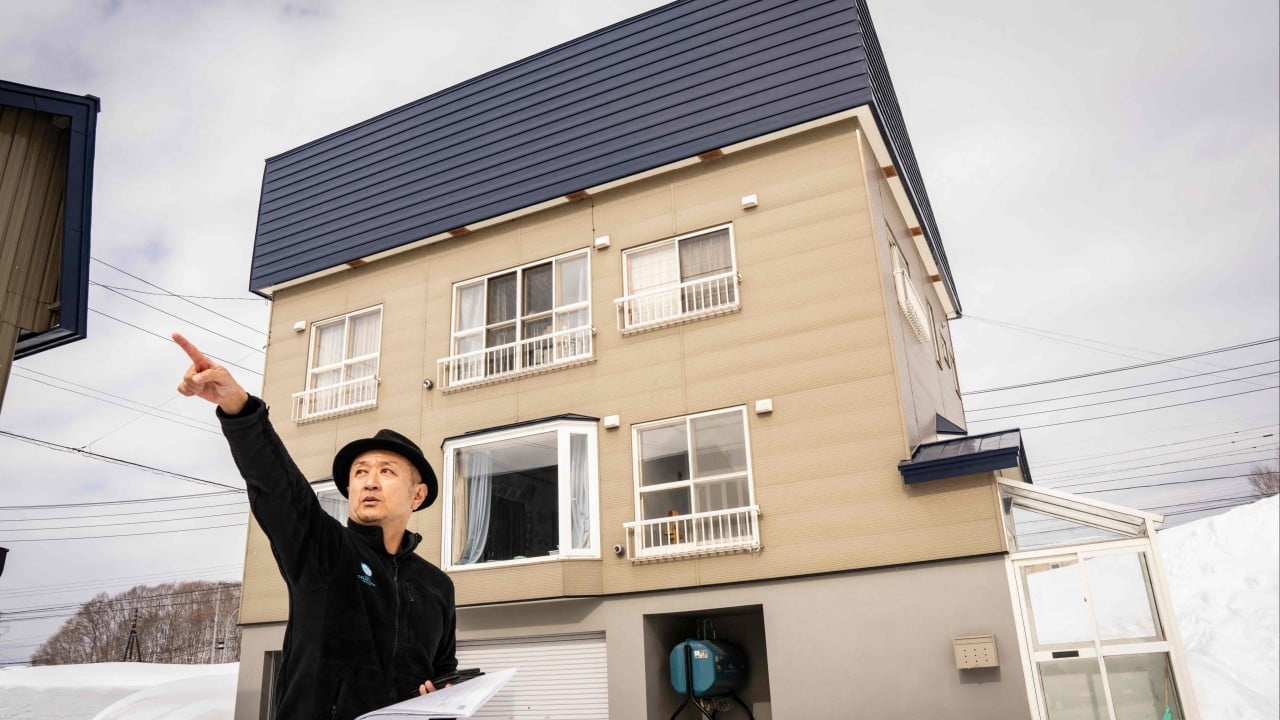
Japan’s property sector looks strong. So why are investors going abroad?
When it comes to the performance of real estate markets in the Asia-Pacific, Japan reigns supreme. Asia’s second largest economy is the deepest, most widely traded, and the safest market in the region. Last year, Japan accounted for 28 per cent of direct investment in Asia-Pacific commercial real estate, data from MSCI shows.
The average vacancy rate for grade A offices in Tokyo was 0.7 per cent in the first quarter of this year. Rents have risen for nine straight quarters, increasing 13.2 per cent in annualised terms last quarter, according to JLL. Strong corporate performance is underpinning robust leasing demand while supply is constrained due to a sharp rise in construction costs and acute labour shortages.
In the residential sector, prices for new flats in Tokyo rose 58.5 per cent last year, the fastest rate among 100 of the world’s luxury housing markets tracked by Knight Frank. Over the past five years, prime residential prices in Tokyo grew nearly 160 per cent, the second fastest rate after Dubai.
Even the hotel sector continues to perform strongly despite the 55 per cent year-on-year drop in mainland Chinese visitors in the first four months of this year. Strong inbound tourism driven in part by the weak yen – arrivals from South Korea and Taiwan increased 22 per cent and 24 per cent respectively – helped mitigate the impact of the diplomatic row between Tokyo and Beijing.
Yet if Japan’s property sector is performing well, why are Japanese investors increasing their exposure to overseas markets? Japan’s proportion of global cross-border commercial property investment increased significantly over the past year, exceeding the average annual share over the past five years, data from Colliers shows.
In the last two years, Japanese investment in Australian real estate was equivalent to the total amount of capital deployed in the preceding 22 years. The residential sector has been the main focus of investment, especially Australia’s attractive professionally managed rental housing market which “aligns with Japanese investors’ familiarity with income-generating residential assets”, Herbert Smith Freehills Kramer and the Australian National University noted in their 2025 Japan-Australia Investment Report.
View original source — South China Morning Post ↗
Related stories

CNBC
BusinessJun 15, 2026 · 1 min
CFTC chair Selig defends decision to approve ‘perps’ in U.S.
CNBC
Bloomberg
BusinessJun 15, 2026 · 1 min
Gold Holds Gain as Trump Touts Reopening of Hormuz This Week
Bloomberg

CNA
BusinessJun 15, 2026 · 1 min
US closes probe into 2024 Delta Air Lines meltdown sparked by CrowdStrike outage
CNA
Bloomberg
BusinessJun 15, 2026 · 1 min
IG4 Offers to Buy Raizen Debt in Quest for Majority Stake
Bloomberg