
Bangkok Post
Prime Minister Anutin Charnvirakul welcomed the reported ceasefire agreement between the United States and Iran…
Energy transition plan 'must proceed'
Prime Minister Anutin Charnvirakul welcomed the reported ceasefire agreement between the United States and Iran, describing it as a positive development that could help ease global uncertainties and support economic stability.
Speaking at Government House on Monday, Mr Anutin said any breakthrough in the Middle East should be viewed positively as it could reduce tensions and contribute to greater stability in the global economy.
He said Thailand has successfully adapted to a range of external challenges this year, including armed conflicts, economic disruptions and supply-chain pressures, and that the government relies on long-term strategies rather than responding to international developments on a day-to-day basis.
Mr Anutin made the remarks after the United States and Iran announced a deal aimed at ending hostilities across the Middle East and reopening the Strait of Hormuz, a key route for global oil shipments.
The agreement is expected to be signed in Switzerland on Friday and is being viewed as a potential breakthrough after months of conflict that have disrupted energy markets and heightened geopolitical tensions.
Under the reported agreement, both sides would halt military operations across the region, including in Lebanon, while efforts would begin to restore commercial shipping through the Strait of Hormuz. The waterway handles a significant share of the world's oil trade, making any disruption a major concern for global energy markets.
US President Donald Trump said the agreement would lead to the reopening of the Strait of Hormuz, while Iranian Deputy Foreign Minister Kazem Gharibabadi said it would bring an immediate end to the conflict and pave the way for talks on a longer-term settlement.
Deputy Prime Minister and Finance Minister Ekniti Nitithanprapas also welcomed the development, saying it could help lower energy prices and reduce risks to the global economy.
He said surging oil prices often serve as a catalyst for broader economic disruptions, affecting production costs, transport expenses and consumer prices. Any easing of energy costs would therefore help relieve pressure on businesses and households while supporting global growth, which would in turn benefit Thailand's economic prospects.
However, the deputy prime minister cautioned that Thailand should continue pursuing its energy-transition agenda despite expectations of softer oil prices, arguing that the country remains heavily dependent on imported fuel and vulnerable to future energy shocks.
"The world remains volatile. Today's calm could be disrupted tomorrow," he said, adding that authorities must continue monitoring inflationary pressures and the impact of living costs on households and small businesses.
Mr Ekniti said the Middle East conflict had affected oil production capacity and that a return to pre-war energy market conditions was unlikely in the near term. Thailand may therefore continue facing elevated energy costs for the next one to two years despite any immediate improvement in market sentiment.
As a result, the government will continue promoting renewable energy projects, including wider adoption of solar power, as part of its strategy to strengthen long-term energy security and reduce vulnerability to future global crises.
View original source — Bangkok Post ↗
Related stories
Times of Israel
PoliticsJun 15, 2026 · 1 min
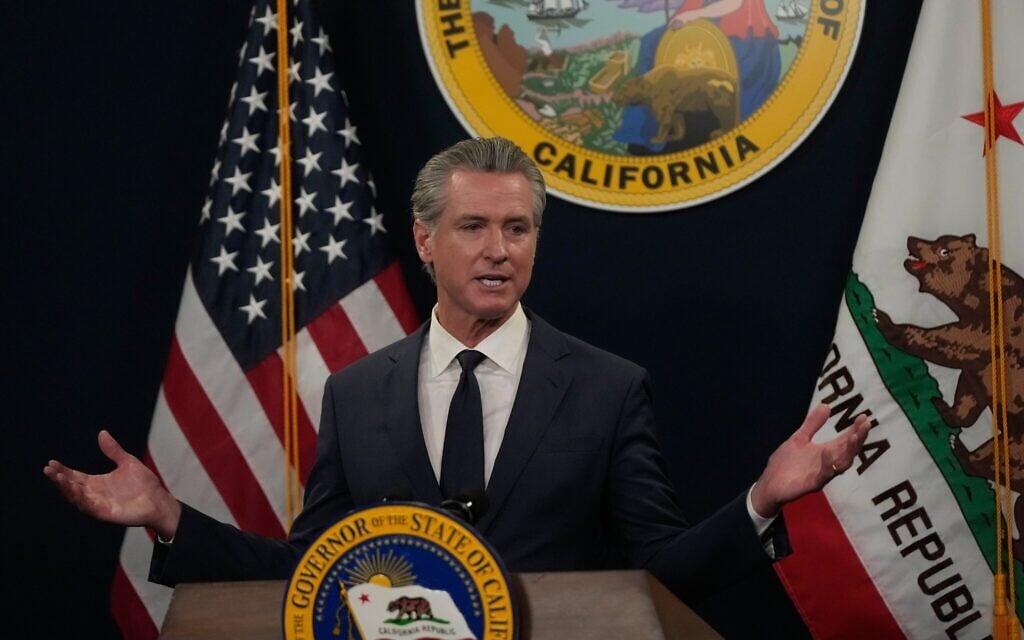
California Gov. Newsom says Trump’s Justice Department investigating him, his wife
Times of Israel

NPR
PoliticsJun 15, 2026 · 1 min
Trump arrives in France for G7 leaders summit, touting peace deal with Iran
NPR

TASS
PoliticsJun 15, 2026 · 1 min
US-Iran memorandum includes clause on commitment to peace in Middle East — JD Vance
TASS

The Hill
PoliticsJun 15, 2026 · 1 min
They’ll call everyone else a Nazi, but the media aren’t sure about the Nazi tattoo guy
The Hill