
Hacker Noon
How to Show Up in AI Answers: The Owned, Earned, and Syndicated Trifecta
\ When AI tells a buyer which company to hire, it is reading three things at once, not one: the content a company owns, the coverage it earns, and how widely that content is syndicated across the web. Zen Media's analysis of what AI engines actually cite points to that trifecta working together, with no single leg enough on its own. Paid advertising barely registers, at about 0.3% of AI citations in a 2026 Muck Rack study of more than one million citations . \ The behavior is already mainstream. Roughly two out of three US Google searches end without a click, the answer read and no link followed, per a 2026 SparkToro and Similarweb study . A separate 2026 analysis found 73% of business buyers now use AI in their purchase research , most of it before a salesperson is ever contacted. The shift is not that people use AI. It is that AI gives the answer, and the answer is built from content and this changes how the best PR in the world needs to be done. \ \ \ Why AI recommendations come from owned, earned, and syndicated content \ The trifecta is not a quirk of how the web is indexed. It is how the systems work. When a generative engine names a vendor, it is reading what the company has published itself, what credible outlets have said about it, and how widely that material is echoed across the web. Owned content gives the engine something concrete to quote, earned coverage gives it a credible voice to trust, and syndication turns one mention into the consensus it repeats. The discipline that always struggled to put a number on its value is suddenly the only input that reliably feeds the recommendation a buyer reads. \ Advertising cannot close that gap, and the systems are built so it cannot. A brand can spend its way to the top of a results page and still be absent from the answer above it. The model is doing something closer to counting votes than ranking pages: it repeats what enough reputable places agree on. \ How the wording of a buyer's question decides who gets named \ Specificity changes everything. Ask a broad question and the AI reaches for the famous default. Ask a narrow one, "the best provider for a regional manufacturer with a compliance problem," and it starts hunting for an actual fit, which is exactly where a smaller or specialized company can win. Add a year to the query and the system favors fresh material over old reputation. \ The platforms also disagree with each other, sharply. One 2026 benchmark of more than 34,000 AI responses found ChatGPT named brands a fraction as often as Perplexity, a roughly 46-fold difference between the two . A company can be the obvious answer in one tool and invisible in another. That unevenness is not a reason to wait. It is the clearest sign that the territory is still open, because almost no one has built the credibility that would make them the answer everywhere at once. \ Why earned media alone cannot keep pace \ Earned media is one leg of the trifecta, and on its own it is the slow one. A reporter decides what gets written, newsrooms have shrunk, and a marquee feature can take a quarter to land. None of that is a flaw to hide from a client. It is the honest reason no company should rely on coverage alone and call it a strategy. \ The power is in running all three legs together, because owned and syndicated content move in weeks and feed the earned coverage rather than waiting on it: \ Owned media. The content a company publishes on its own site, written to answer the questions buyers actually ask. It gives the AI something concrete to quote, and gives reporters and podcast hosts something to react to. Earned media. Independent coverage, bylined expert articles, and podcast appearances that put the company's people and point of view in front of credible audiences. This is the voice the model trusts, because someone other than the brand vouched for it. Syndicated content. That same material distributed and republished across a network of reputable third-party outlets. One mention is a whisper, the same story echoed across many trusted sites is the consensus the system treats as fact. \ Run together, the trifecta moves a company from absent to cited while the long-game press builds underneath. Choosing the best PR agency now means choosing one built to run all three legs at once, not one that only pitches reporters and waits. The slowness of traditional PR was only ever a problem when it was the only thing on offer. \ What companies have about six months to do \ The answer in most categories is not settled yet. That is the entire opportunity. Once a generative system fixes on a default name for a category, it repeats that name until it reads as fact, and dislodging an established default is the most expensive position to attack in marketing. The brands that build the credibility first become the recommendation, and recommendations are sticky. \ None of this requires guessing. The questions buyers ask can be pulled, the share of answers a brand wins can be measured, and the gap against competitors can be tracked tool by tool. What used to be the least accountable line in the marketing budget is now one of the most measurable. \ The companies treating AI visibility as next year's project are, this year, training the systems that recommend their competitors. The window is not theoretical. It is the months between AI-first buying becoming normal, which has already happened, and the moment a rival in the same category notices and claims the answer first. \ Frequently Asked Questions Question: Do I still need PR if my buyers use AI to find vendors? Answer: Yes, more than before, because AI builds its recommendations from a content trifecta: owned media, earned media, and syndicated content working together. Paid advertising barely registers, at about 0.3% of AI citations in Muck Rack's 2026 analysis of more than one million citations. If a buyer asks AI who to hire, that content mix is the only way into the answer. \ Question: How does ChatGPT decide which companies to recommend? It repeats what enough credible, independent sources agree on, rather than ranking purely by ads or backlinks. The more often trusted outlets describe a company the same way, the more confident the system is in naming it. Specific, high-intent questions also push it to hunt for the best fit instead of defaulting to the biggest name. \ Question: Can a PR agency guarantee my company will appear in AI answers? Answer: They can guarantee to build you authority. And if you move in the next six months, you can likely guarantee answer inclusion on specific prompt clusters and keywords. What an agency can move is the odds of being named, which shift based on who is asking, what they want, and which AI they use. The honest promise is a growing share of the answer over time, tracked on a dashboard, never a guaranteed spot. \ Question: How do you show up in AI search results? Answer: Build the content trifecta: owned media on the company's own site, earned media in the form of coverage, bylines, and podcast appearances from credible third parties, and syndication that republishes that material across the web. Owned content gives the system something to quote, earned media gives it a voice to trust, and syndication turns one mention into the consensus it repeats. \ Question: Is press release distribution still worth it for AI visibility? Answer: On its own, rarely, because a standalone release earns close to zero AI citations. It works only as one part of a coordinated push alongside owned content and independent coverage. Distributed across credible third-party outlets, the same material becomes some of the strongest fuel for getting named in AI answers. \ What This Article Covers Why AI search and zero-click results changed what PR is for How AI builds vendor recommendations from a content trifecta of owned, earned, and syndicated media rather than paid ads How buyer intent, prompt wording, and choice of AI tool change which companies get named Why ChatGPT, Perplexity, and Google's AI cite brands at very different rates How the owned, earned, and syndicated content trifecta builds AI visibility Why the next six months are a closing window to become the cited answer \ Sarah Evans is an AI visibility strategist and communications expert with 23+ years in PR. She's a partner at Zen Media and writes at asksarah.ai. \
View original source — Hacker Noon ↗
Related stories

The Verge
TechnologyJun 16, 2026 · 1 min
The Google / Xreal Aura XR glasses are now available to preorder
The Verge

TechCrunch
TechnologyJun 16, 2026 · 1 min
Snap finally debuts its long awaited AR glasses, Specs, and, oof, they aren’t cheap
TechCrunch
Engadget
TechnologyJun 16, 2026 · 1 min
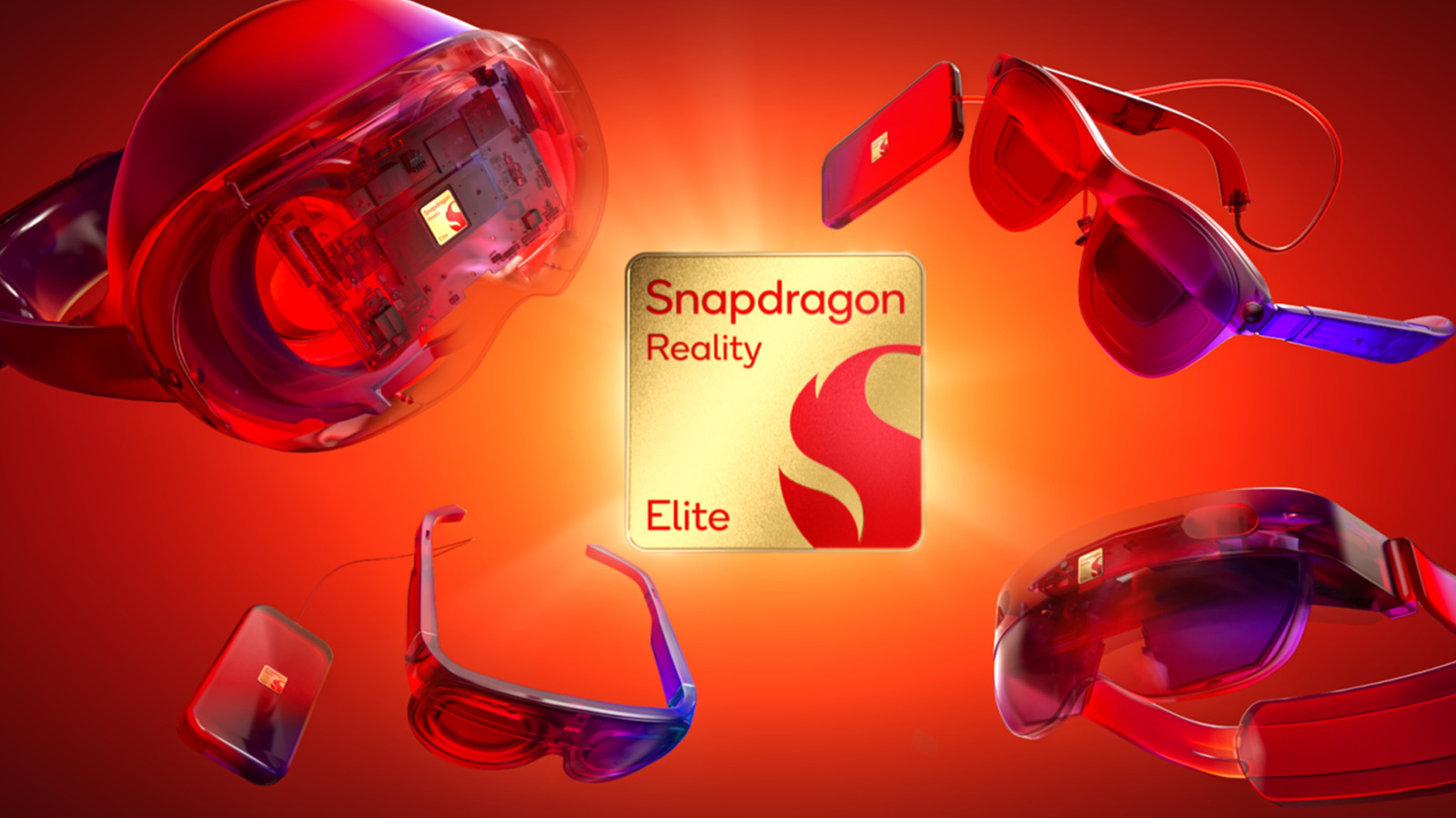
Qualcomm unveils its Snapdragon Reality Elite chip for next-gen AR headsets
Engadget

Engadget
TechnologyJun 16, 2026 · 1 min
Xreal officially reveals its Android XR Aura glasses — without a pricetag
Engadget