Indian Express
Indian Express··2 min read
‘Bro lifted his wrist’: Bengaluru autorickshaw driver’s QR payment method viral
2 min readNew DelhiJun 16, 2026 04:28 PM IST
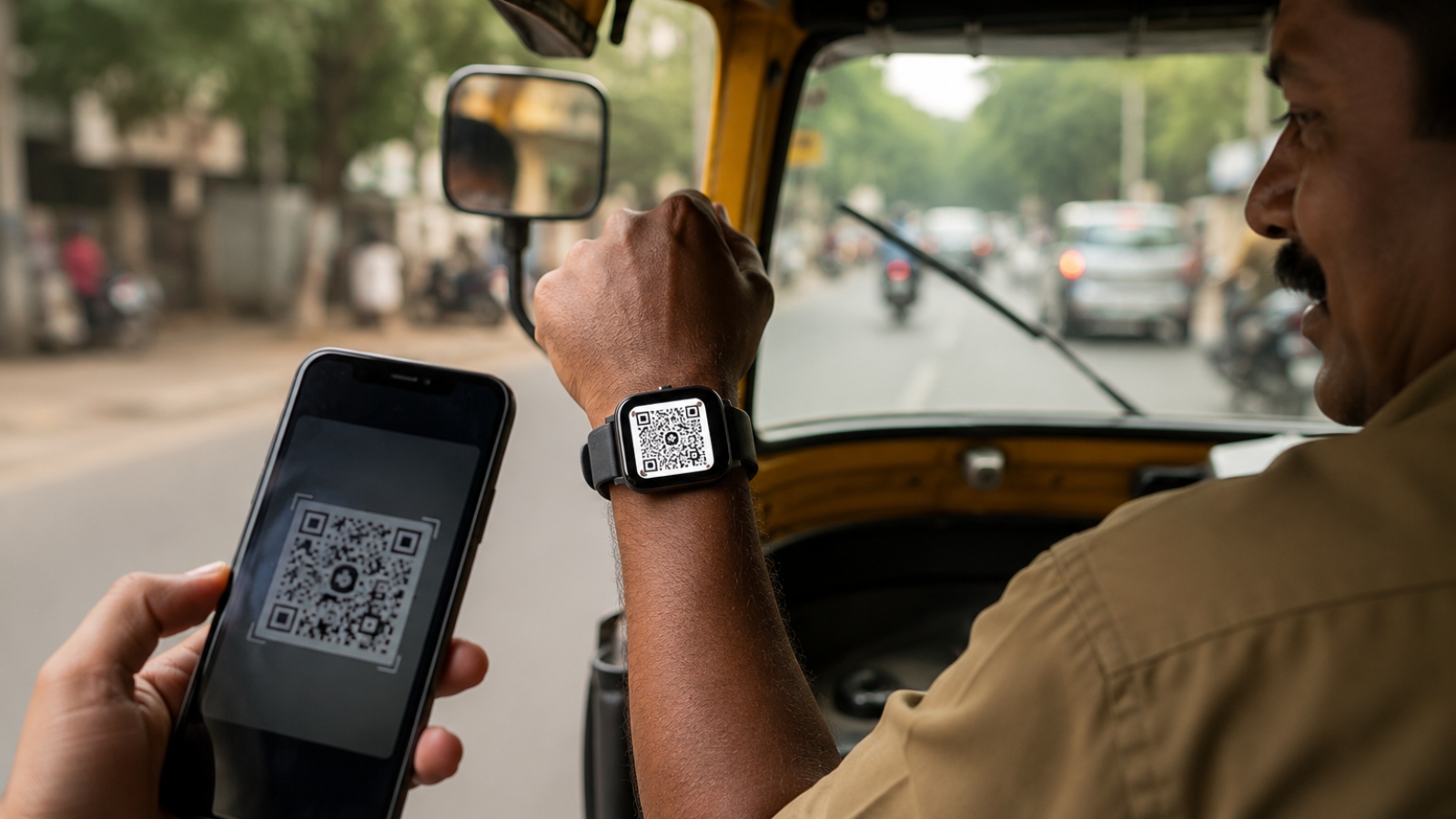
What resonated with many online was not the payment itself, but the ease with which wearable technology had been integrated into a routine interaction. (AI generated image)
A Bengaluru autorickshaw driver’s creative use of a smartwatch has caught the internet’s attention, with many seeing it as a sign of how technology is increasingly becoming part of everyday life and work.
The moment was shared on X by user Hemant, who wrote, “Took an auto today from Indiranagar to Koramangala and asked the driver for the QR code to pay. Bro lifted his wrist, the QR code was on his smartwatch.”
What resonated with many online was not the payment itself, but the ease with which wearable technology had been integrated into a routine interaction. The incident sparked conversations about Bengaluru’s tech-driven culture and the growing adoption of digital tools beyond traditional workplaces.
Check out the post:
Took an auto today from Indiranagar to Koramangala and asked the driver for the QR code to pay
Bro lifted his wrist, the QR code was on his smartwatch pic.twitter.com/bzDkXe1UBZ
— Hemant (@nothemantsharma) June 14, 2026
The post soon gained traction on X , with users weighing in on Bengaluru’s tech-first culture, India’s growing digital adoption, and the increasing use of wearable devices for practical tasks.
One of the comments read, “Autodrivers of Koramangala and Indiranagar earn as much as the IT people living there, imo, which is wild.” Another user described it as a “Peak Bengaluru moment.” A third person wrote, “And then few people say Bharat’s digital literacy is questionable. I see every Bharatiya to be a digital literate. It would be a good idea to count the digital literacy and build programs to increase real literacy via digital literacy.”
A fourth user sarcastically commented, “India is not for beginners, especially Bangalore is not for.”
Another comment read, “We seriously underestimate people around us. I was implementing a user heavy tech project in 2015 which was to be done largely in tier 2/3 cities. All of us were sure it was going to fail. But the people there surprised us. We had no idea about the enterprise of our population.”
View original source — Indian Express ↗
Related stories
Indian Express
EntertainmentJun 16, 2026 · 1 min
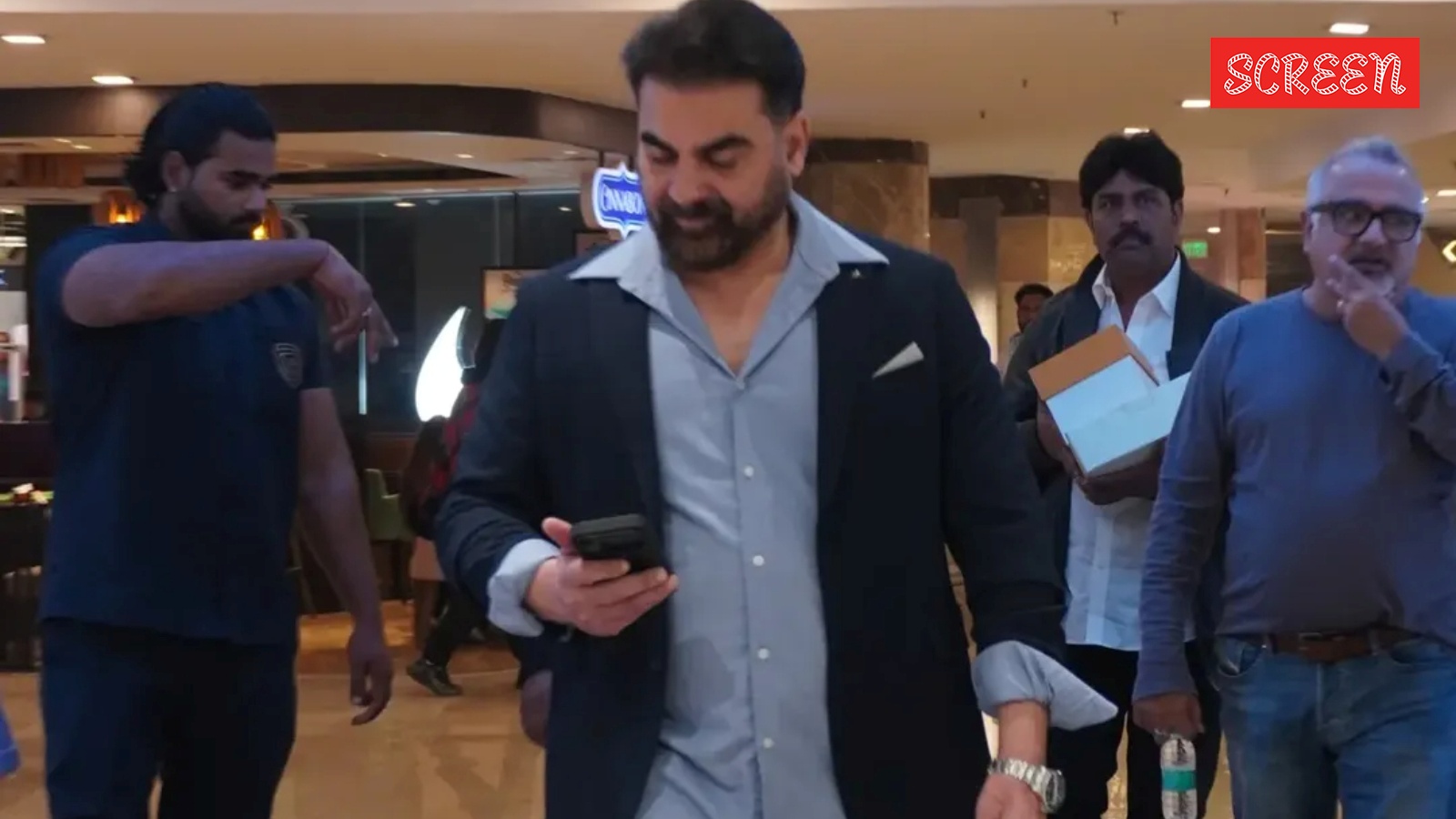
Man forces his way into Arbaaz Khan’s car at Kolkata event, video goes viral
Indian Express
Indian Express
NewsJun 5, 2026 · 1 min
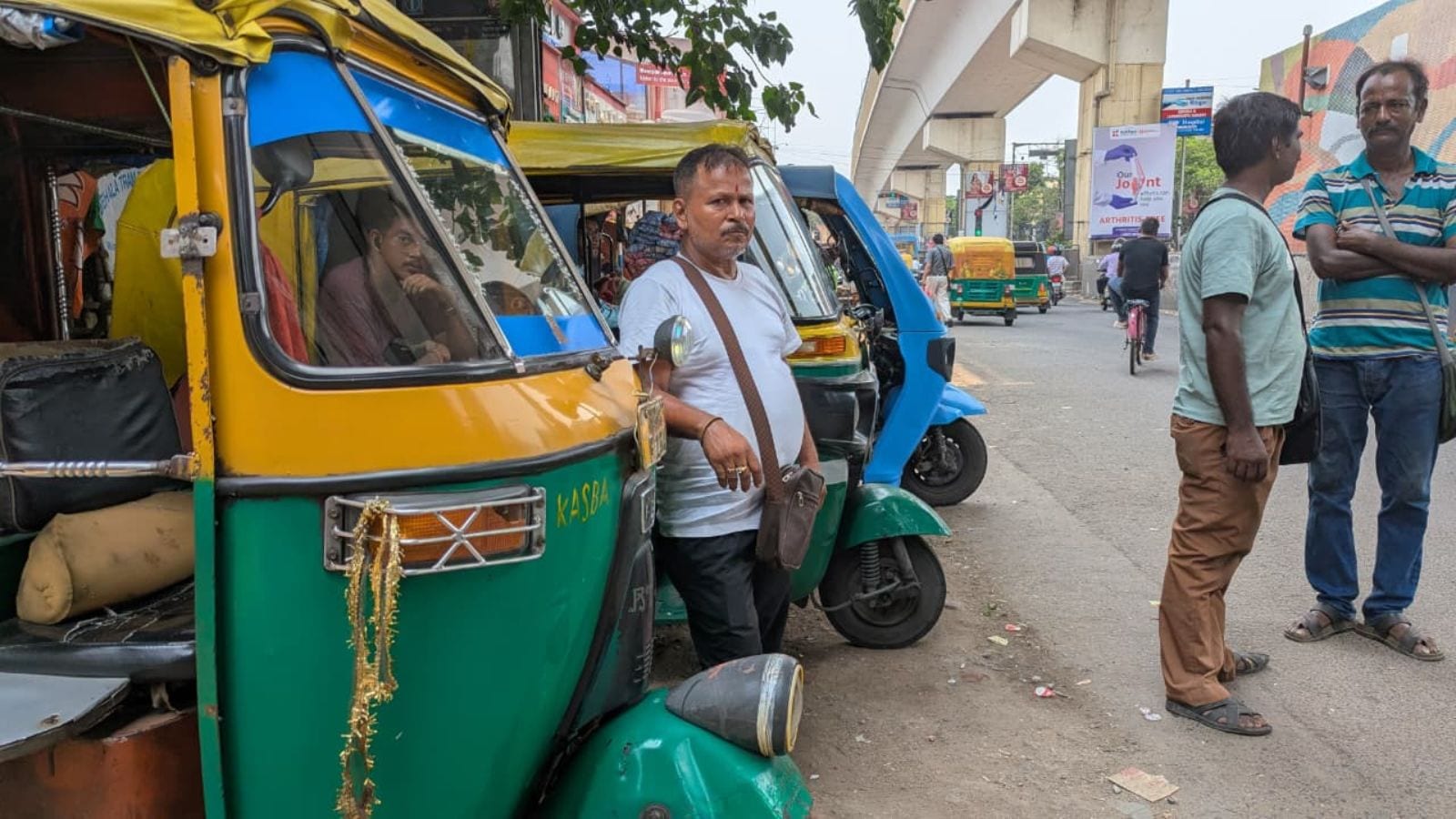
From Rs 25 to Rs 40: How Kolkata LPG crisis triggered autorickshaw fare hikes, route cuts
Indian Express

TechPana
TechnologyJun 9, 2026 · 1 min
Police Confirm Traffic Action Against Harka Sampang After Viral Riding Video, MP Questions Citation
TechPana
Indian Express
EntertainmentJun 10, 2026 · 1 min
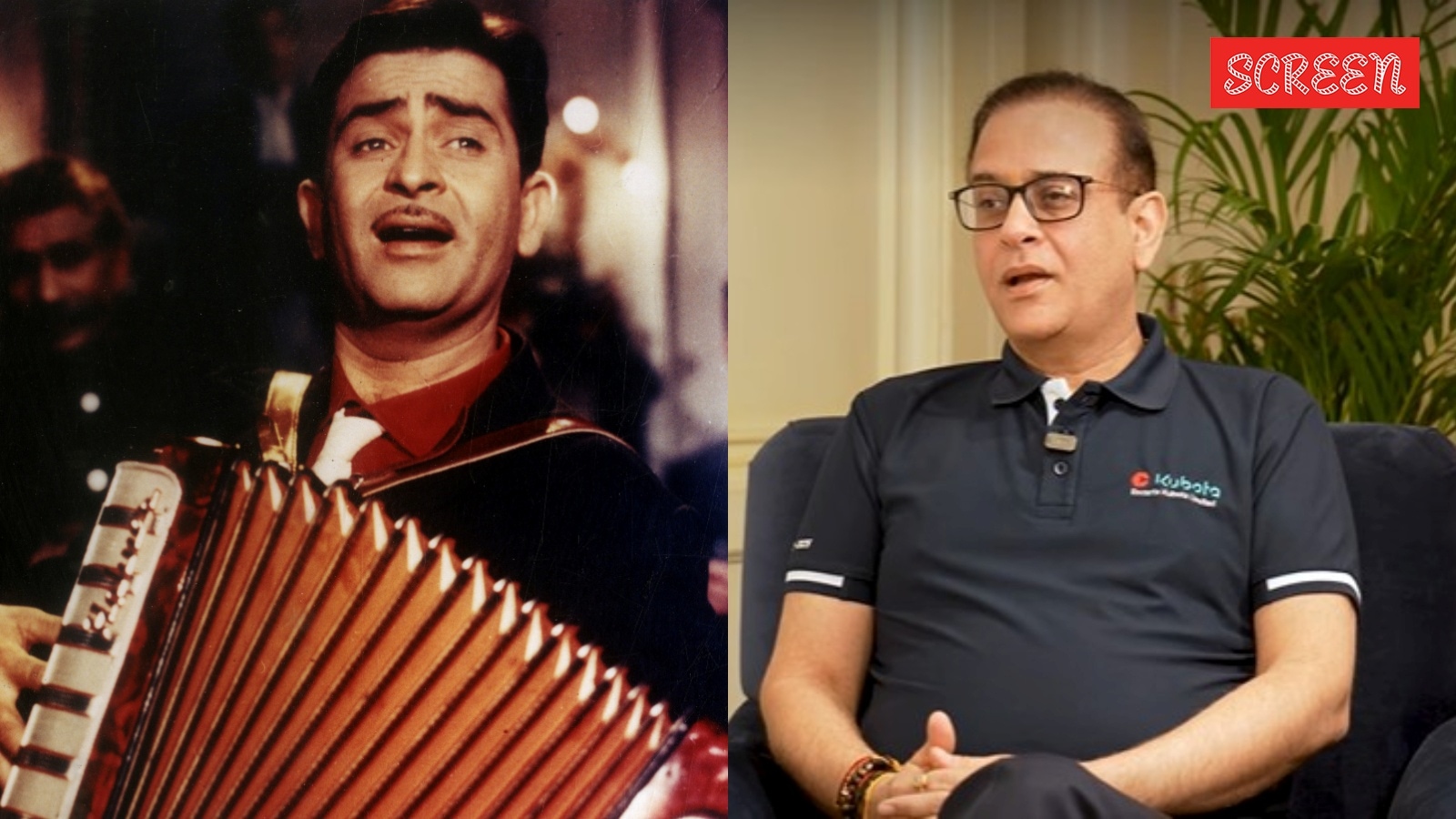
‘He didn’t charge me’: US taxi driver made Nikhil Nanda realise Raj Kapoor’s global fame
Indian Express