Indian Express
Indian Express··4 min read
Mould, cracks, superficial patchwork: What IIT Madras team found at Goa’s iconic Kala Academy
4 min readPanajiUpdated: Jun 17, 2026 04:54 AM IST
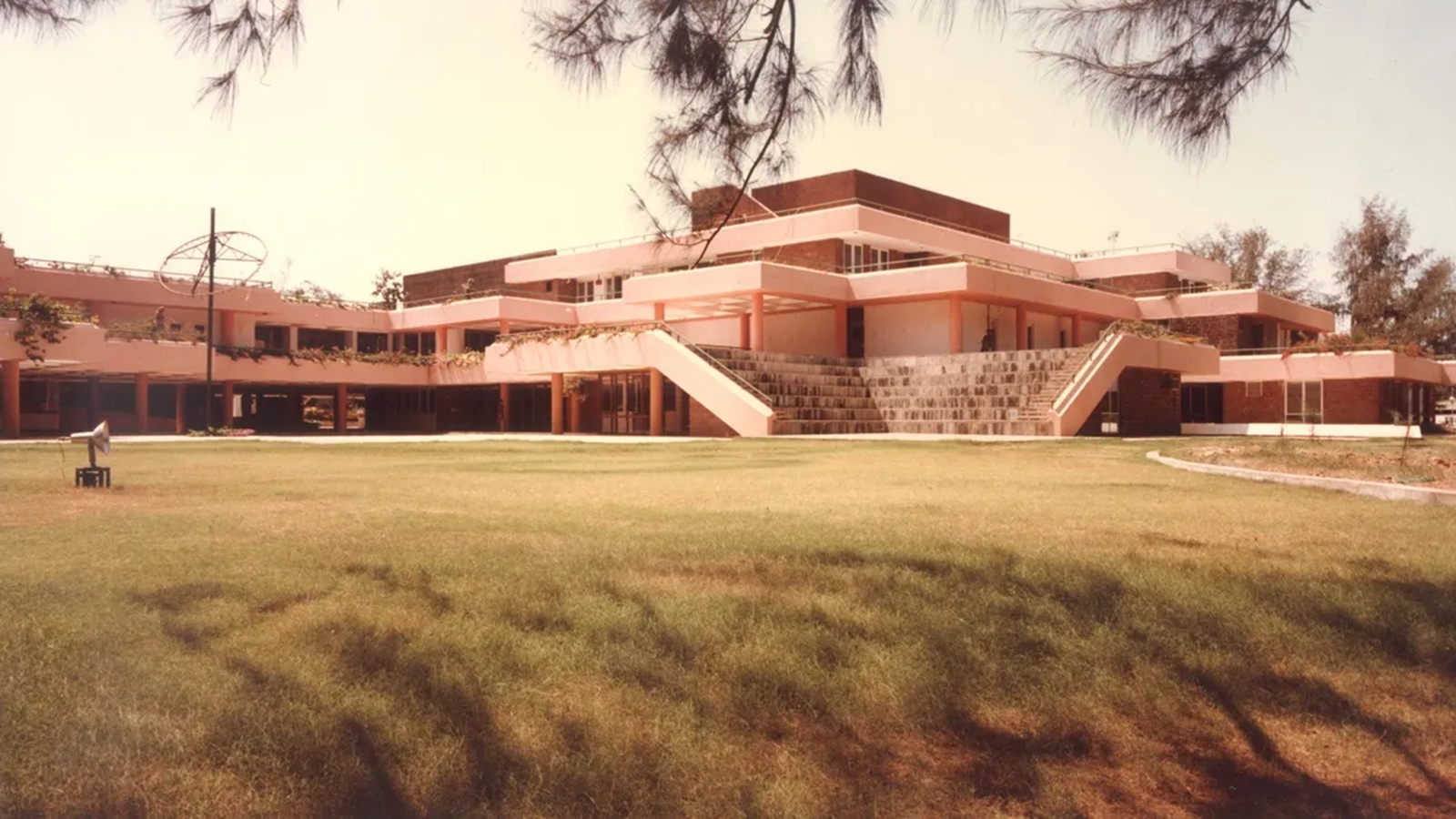
Designed by renowned architect Charles Correa and built in the 1960s, Kala Academy in Panaji emerged as Goa’s premier art and culture centre over several decades.
Poor indoor air quality in the auditorium, cracks in beams and columns near the stage and along staircase walls, a non-functional waterproofing system on the terrace, water stagnation and drainage issues near the seating areas in the open-air theatre — IIT Madras has flagged a number of issues with the buildings of Goa’s iconic Kala Academy.
Designed by renowned architect Charles Correa and built in the 1960s, Kala Academy in Panaji emerged as Goa’s premier art and culture centre over several decades.
In July 2023, a large portion of an open-air auditorium at the Kala Academy collapsed, following which it was shut for repairs before being reopened. According to Chief Minister Pramod Sawant, an inquiry into the 2023 incident showed that corrosion of structural steel and composite structures led to the collapse of a slab of the open-air auditorium.
Earlier this year, the National Centre for Safety of Heritage Structures, Department of Civil Engineering, IIT Madras, submitted a report to the government regarding the current condition of Kala Academy. The report presents the findings from a site visit, undertaken at the request of competent authorities through the Charles Correa Foundation, “to review the current condition of the building and to understand key concerns related to its…durability.”
The report states that the auditorium was found to have a sump tank below the wooden flooring, equipped with a pump that operates during high tide to flush out water, indicating chronic water ingress. “Inadequate waterproofing and high groundwater pressure appear to be major causes. Electrical and mechanical systems in this zone are at risk; therefore, water stagnation in this area should be strictly prevented through effective drainage and waterproofing measures. The indoor air quality in this zone was also observed to be poor, likely due to prolonged moisture exposure and possible mould growth. Cracks were noticed in beams and columns near the stage and catwalk access areas,” the report said.
According to the report, some cracks were also observed along the staircase walls. Some cracks were concealed with uneven plaster repairs, indicating superficial patchwork instead of proper structural treatment, it said. “Signs of water seepage and dampness were seen in ceilings and wall surfaces. The terrace exhibited significant failure of waterproofing. Drain pipes were not directly connected to floor traps, resulting in uncontrolled water flow over the roof areas and stagnation. The waterproofing system is no longer functional. The terrace may be contributing to the deterioration of the structural slab and areas below,” it said.
The report further flagged water stagnation and drainage issues near seating areas in the open-air theatre. “The staircases leading to the stage showed signs of deterioration and possible settlement. Water ingress was seen in the motor and pump rooms, and signs of dampness were identified in the false ceiling of the auditorium storage areas. Measures should also be taken to reduce moisture exposure to the auditorium slab and raft foundation, thereby minimising the risk of reinforcement corrosion and long-term durability deterioration,” it added.
Suggestions
Story continues below this ad
The report suggested that to address the deterioration and damage, and ensure the long-term durability of the building, locations of moisture ingress behind the cladding, false ceilings and surface finishes must be identified by carrying out infrared thermal scanning across all major areas. “In structural elements exhibiting cracks along the reinforcement, perform corrosion tests and assess the condition; and then repair using electrochemical strategies to arrest further corrosion for a target service life. Connect all the drainpipes directly to the floor traps and avoid uncontrolled water flow over the roof slab,” it said.
Francis Coelho, a member of the Kala Academy task force, said, “The report has been submitted to the government. We expect the faults identified in the report will be rectified at the earliest. The Academy will remain shut from August 1 for repairs and renovation work.”
However, he urged that while the work is being carried out, the entire premises should not be shut. “We have also insisted that the Department of Art and Culture should make alternate arrangements for auditoriums and classrooms, so that cultural activities like Tiatr, Natak, musical shows, etc, don’t suffer while the facilities are being renovated,” he said.
Pavneet Singh Chadha is the Goa Correspondent of The Indian Express. His reporting focuses intensely on the state of Goa, covering major developments in politics, governance, and significant local events, which establishes his high degree of Expertise and Authority in the region.
Expertise
Geographic Expertise: As the Goa correspondent, Pavneet provides on-the-ground, comprehensive coverage of Goa's political, social, and cultural landscape, ensuring readers receive timely and localized insights.
Key Coverage Focus: His recent work demonstrates deep investigative capabilities and a focus on high-impact stories, including:
Investigative Reporting: Extensive coverage of complex events such as major incidents (e.g., the Goa nightclub fire), tracing the legal, political, and safety lapses involved.
Government and Law Enforcement: Detailed tracking of police actions, deportations, and legal proceedings related to significant local cases.
Policy and Governance: Reporting on the judiciary (e.g., Goa High Court flagging illegal structures) and the actions of government departments.
He tweets @pub_neat ... Read More
Tags:
Goa
IIT Madras
View original source — Indian Express ↗
Related stories

The Hollywood Reporter
EntertainmentJun 5, 2026 · 1 min
Sharon Horgan, Richard E. Grant, Claire Foy Among Stars at THR’s Studio at SXSW London
The Hollywood Reporter
Indian Express
NewsJun 16, 2026 · 1 min
Mysterious cracks ‘as wide as 2 people’ damage J&K houses, farmland
Indian Express
ABC News
NewsJun 7, 2026 · 1 min
'Gave it a crack': Professor Richard Scolyer's open letter to Australians
ABC News

The Guardian
SportsJun 5, 2026 · 1 min
‘It’s like family’: team Bruce McLaren built is carved in his image as they mark 1,000th GP
The Guardian