Indian Express
Indian Express··5 min read
Chandigarh Administration denies RTI plea seeking basis for Master Plan amendments
4 min readChandigarhJun 17, 2026 07:51 AM IST
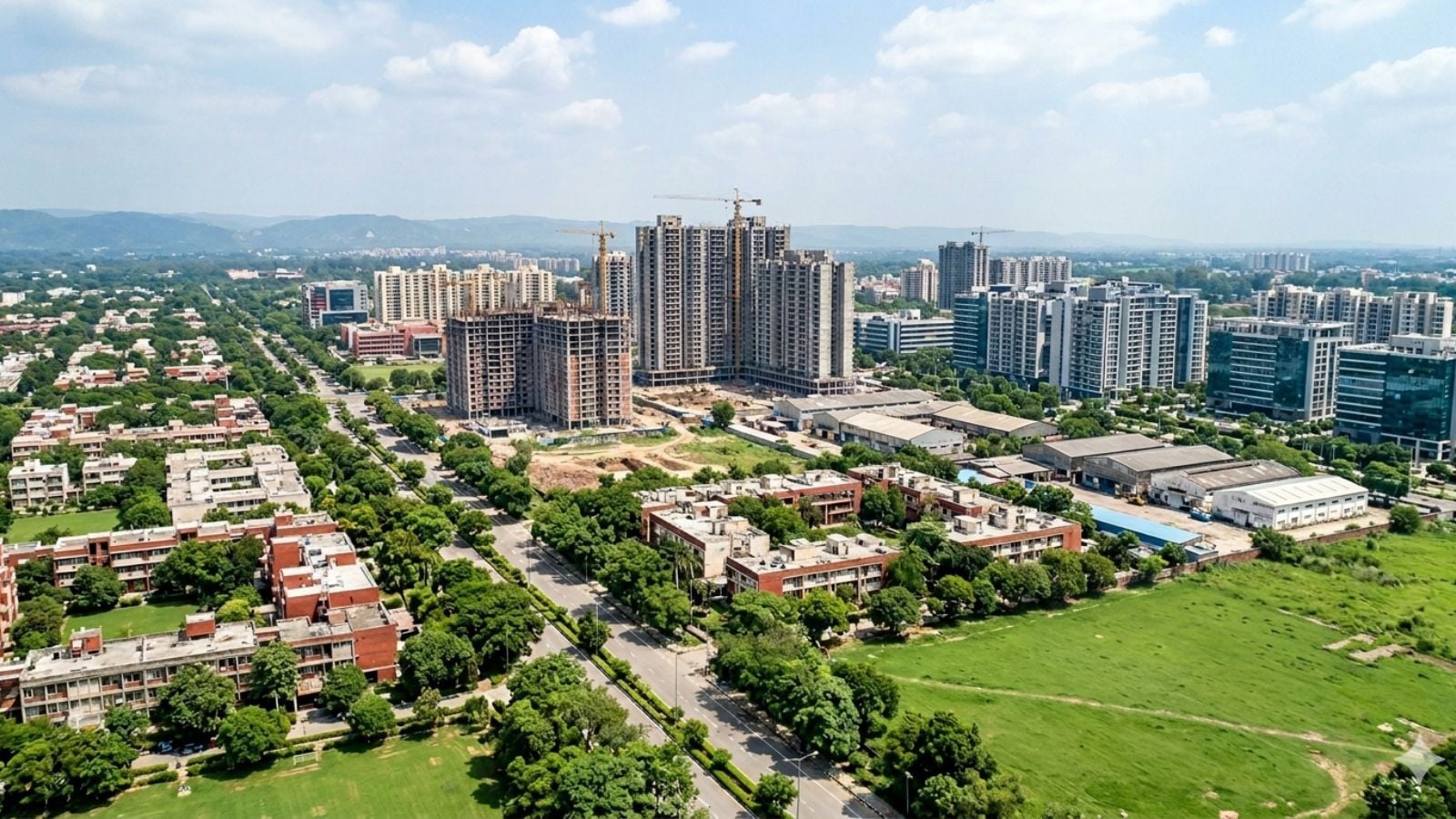
The Chandigarh Master Plan-2031, formally notified in April 2015, serves as the guiding blueprint for managing the city’s growth, heritage and infrastructure till 2031. (File Photo)
The Chandigarh Administration has declined to disclose details of the proposed amendments to the city’s Master Plan, citing provisions of the Right to Information (RTI) Act that exempt disclosure of records related to an ongoing decision-making process.
The proposed amendments to the Chandigarh Master Plan 2031 — including a higher Floor Area Ratio (FAR), increased population density, mixed land use, and high-rise development — have come under scrutiny following an RTI application seeking to know the studies and assessments that formed the basis of the proposed changes.
In response to an RTI application filed by city resident Ram Kumar Garg, the Urban Planning Department said the draft amendments had been placed in the public domain for inviting objections and suggestions from residents, but the proposal was still under consideration and had not attained finality.
“The Draft Amendments in the Chandigarh Master Plan have been placed in the public domain for inviting objections/suggestions from the general public, and the proposal is presently under consideration, and not attained finality from the Competent Authority,” the department said in its response dated June 16.
The department further said the information sought was exempt from disclosure under Section 8(1)(i) of the RTI Act, 2005, and could be disclosed after the matter is finalised, subject to the provisions of the law.
The response came after Garg sought details relating to the proposed changes in the Master Plan, the key planning document that guides Chandigarh’s land use, housing, commercial development, transport infrastructure and future urban growth.
The applicant had sought copies of all studies, consultant reports, technical assessments, and official records relied upon while preparing the proposed amendments. The request aimed to ascertain whether the city’s infrastructure is equipped to handle the additional burden that may arise from denser development.
Story continues below this ad
Specifically, the RTI application sought utility augmentation, detailed project reports, population impact projections, carrying-capacity studies, infrastructure impact assessments, traffic studies, utility load assessments and environmental impact assessments related to the proposed amendments.
It also sought records indicating whether funds had been earmarked for upgrading civic infrastructure and whether timelines or implementation plans had been prepared before the proposed planning changes are implemented.
In addition, the applicant sought file notings, inter-departmental correspondence, minutes of meetings and records relating to any expert committee constituted to examine or recommend the amendments. Copies of approvals, recommendations, observations and reports relied upon by the administration while framing the amendments were also sought.
The applicant further requested that if any of the studies or assessments sought did not exist, the administration should state so specifically. An inspection of all relevant files was also sought under the RTI Act.
Story continues below this ad
Officials maintained that since the amendment process is ongoing, disclosure of the information at this stage is barred under the RTI Act. They, however, pointed out that information relating to the draft amendments already available in the public domain can be accessed through the department’s website.
The refusal is significant as the proposed amendments, which have attracted criticism from several quarters, could have a bearing on future development patterns in the city. Urban planners, resident welfare associations and other stakeholders have been closely tracking the exercise, with several groups seeking greater transparency regarding the proposed changes and their likely impact on land-use norms and development controls.
The RTI application was disposed of by the Urban Planning Department on June 16.
© The Indian Express Pvt Ltd
Hina Rohtaki is a Special Correspondent at The Indian Express, based in Chandigarh. She is one of the most prominent journalists covering the Chandigarh Administration, civic issues, and the unique political status of the Union Territory.
Professional Background
Experience: She has been in the field for over a decade and is known for her investigative reporting on administrative waste and urban governance.
Awards: She is a recipient of the prestigious Ramnath Goenka Excellence in Journalism Award, which was presented to her by the President of India in January 2020. She was also awarded the Jethmalani prize (The Will of Steel Awards) in 2025 in the Empowerment category for a series of articles that highlighted the struggles of Covid widows.
Core Beat: Her primary focus is the Chandigarh administrative structure, the Union Territory's financial management, and urban development projects.
Recent Notable Articles (Late 2025)
Her recent work highlights a focus on government accountability, administrative expenditures, and civic trends:
1. Investigative & Financial Reporting
"Fuelling power: Senior UT IAS officers guzzled petrol worth Rs 30 lakh in 2 yrs" (Dec 14, 2025): An investigative report detailing the high fuel bills of top bureaucrats, including the Finance Secretary and Chief Secretary’s staff.
"Admn spends Rs 1.5 crore on dismantling road railings and fixing again after increasing height" (Dec 8, 2025): Highlighting administrative waste on "non-viable" solutions for pedestrian control.
"Chandigarh’s finances under ministry’s watch now" (Nov 27, 2025): Reporting on the new requirement for MHA approval for all new projects in the UT.
2. Governance & Constitutional Status
"What will it mean for Chandigarh if it is brought under Article 240?" (Nov 24, 2025): An "Explained" piece on the potential constitutional shift that would grant the President more power over the UT's governance.
"MP Manish Tewari moves Bill seeking directly elected Mayor with 5-year tenure" (Dec 6, 2025): Covering the legislative push to reform Chandigarh's municipal leadership structure.
"No proposal to increase Mayor's term in Chandigarh by 5 years: Centre" (Dec 10, 2025): Reporting on the Union government's response to demands for a longer mayoral term.
3. Urban Infrastructure & Environment
"Chandigarh admn cuts power to India's tallest air purifier, asks firm to dismantle it" (Nov 17, 2025): A critical report on the failure of a high-cost environmental project deemed "of no use" by experts.
"UT rethinks 24/7 water supply project as costs soar" (Nov 26, 2025): Detailing the financial challenges and delays in modernizing the city's water network.
"Centre 'obfuscating, covering up' MC's shifting deadlines for clearing Dadu Majra dump" (Dec 12, 2025): Reporting on the ongoing controversy surrounding the city's major waste dump.
4. Lifestyle & Local Trends
"Chandigarh turns into a Thar city as women fuel the surge" (Dec 2, 2025): A feature on a unique automotive trend in the city, with a record 600 registrations by women drivers this year.
"After fivefold spike in 2023, EV sales struggle to pick pace in Chandigarh" (Dec 2, 2025): Analyzing the slowdown in electric vehicle adoption despite previous surges.
Signature Beat
Hina is known for her meticulous tracking of RTI (Right to Information) data to expose administrative inefficiency. Her "Ground Zero" reporting on the Dadu Majra garbage dump and her scrutiny of the Chandigarh Smart City projects have made her a key figure in the city’s civil society discourse.
X (Twitter): @HinaRohtaki ... Read More
Stay updated with the latest - Click here to follow us on Instagram
Tags:
chandigarh
View original source — Indian Express ↗
Related stories

Philippine Daily Inquirer
PoliticsJun 4, 2026 · 1 min
Jinggoy Estrada refuses to plead; court enters not guilty plea in graft
Philippine Daily Inquirer

Indian Express
PoliticsJun 5, 2026 · 1 min
Delhi High Court refuses urgent hearing of PIL against Cockroach Janta Party’s June 6 protest
Indian Express
Indian Express
NewsJun 3, 2026 · 1 min
Bombay High Court denies interim relief to Viplav Bajoria after nomination rejection for Amravati MLC poll
Indian Express

The Punch
NewsJun 6, 2026 · 1 min
Adamawa CAN denies endorsing APC governorship candidate
The Punch