Indian Express
4 common preparation errors that ruin your dal
4 min readNew DelhiJun 17, 2026 11:00 AM IST
Dal is a staple in many Indian households and one of the most accessible sources of plant-based protein. Whether it is part of a simple home-cooked meal or a more elaborate spread, dal is often relied upon for its nutritional value, especially by those who follow a vegetarian diet. Rich in protein, fibre, and essential nutrients, it plays an important role in supporting overall health, muscle maintenance, and satiety.
However, the way dal is selected, prepared, and cooked can influence how much of that nutritional value the body actually receives. Everyday habits such as washing and soaking to cooking methods and food combinations may seem minor, but they can affect protein availability and absorption. In some cases, certain common kitchen practices may unintentionally reduce the nutritional benefits that dal is known for.
While dal itself remains a nutritious food, understanding how preparation methods impact its quality can help people make better use of it in their daily diet. Small adjustments in cooking and eating habits could go a long way in preserving its benefits.
DISCLAIMER: This article is based on information from the public domain and/or the experts we spoke to. Always consult your health practitioner before starting any routine.
4 common cooking or preparation mistakes that can reduce the protein quality or availability in dal
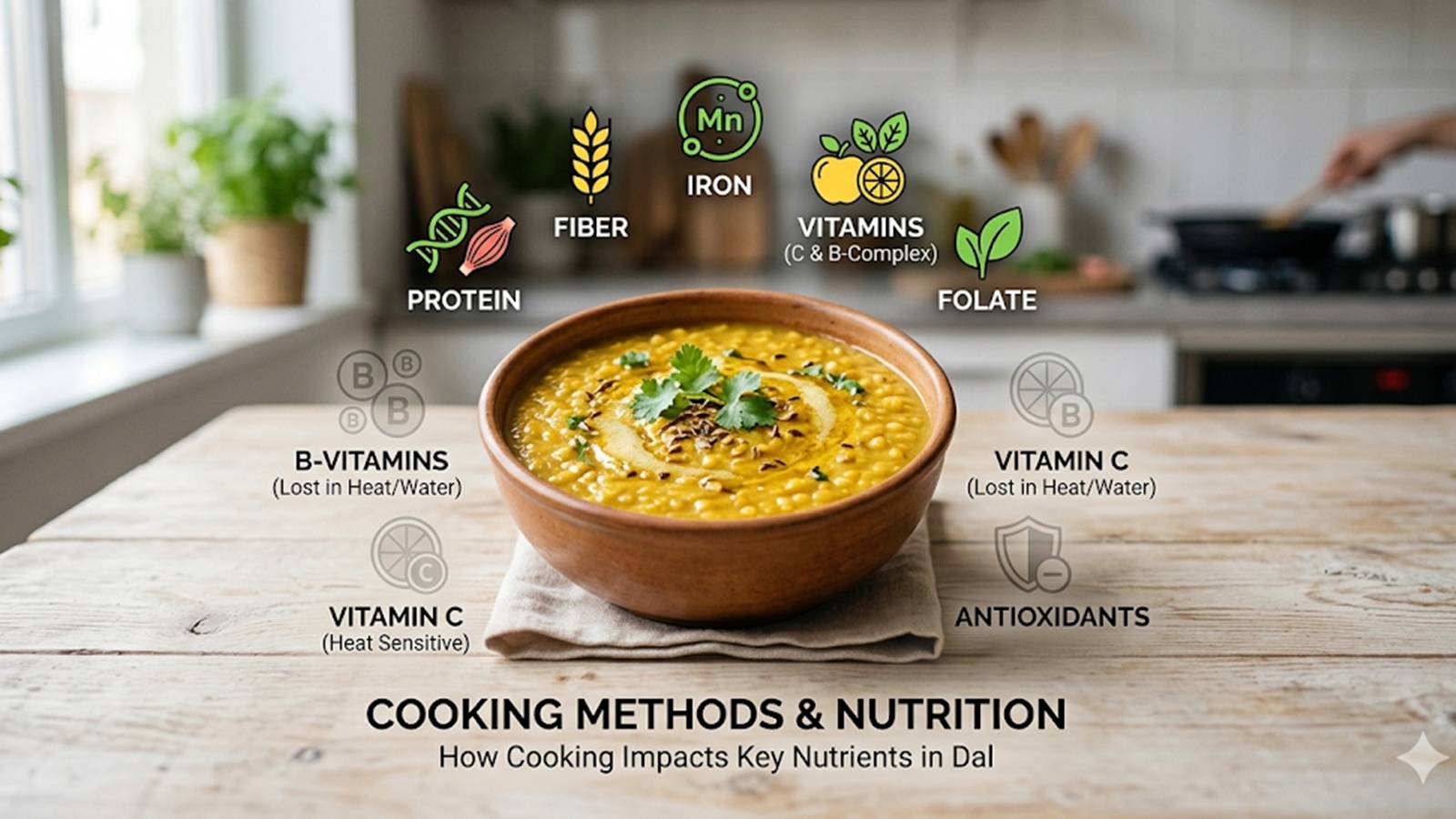
Ashlesha Joshi, fitness dietician and nutritionist at Tone 30 Pilates, tells indianexpress.com, “One of the most common mistakes is overcooking dal to the point where it becomes excessively mushy or is repeatedly reheated. While protein itself is relatively stable, prolonged exposure to high heat can reduce the availability of certain amino acids, especially lysine. Another issue is discarding the water used for soaking or cooking, as it may contain water-soluble nutrients that support overall protein utilisation.”
Additionally, Joshi says, not soaking dal properly can leave behind anti-nutritional factors such as phytates, which can interfere with protein absorption. Using excessive oil or heavy tempering can also slow digestion, indirectly affecting how efficiently the body utilises protein.
Enhancing protein absorption and overall digestibility
“Soaking plays a crucial role in improving protein bioavailability,” notes Joshi, adding that it helps reduce compounds like phytates and tannins that inhibit nutrient absorption, while also making dal easier to digest.
Story continues below this ad
Cooking time is equally important. Joshi says that properly cooked dal enhances digestibility, but overcooking can degrade certain nutrients. The goal is to cook it just enough so that it is soft and easy to digest without prolonged heat exposure.
The expert mentions, “Combining dal with cereals like rice or roti significantly improves protein quality. Dal is low in methionine but rich in lysine, while grains offer the opposite profile. When eaten together, they form a more complete amino acid profile, improving overall protein absorption and utilisation.”
Specific techniques or best practices that can help maximise the protein benefits of dal
To maximise protein benefits, Joshi suggests starting with proper soaking for at least 6 to 8 hours, especially for whole dals. Cooking methods like pressure cooking are efficient as they reduce cooking time while preserving nutritional value.
She adds that pairing dal with whole grains such as brown rice, millets, or whole wheat roti helps create a balanced amino acid profile. Adding a source of vitamin C, like lemon juice or vegetables, can further enhance nutrient absorption.
Story continues below this ad
“Keeping recipes simple and avoiding excessive reheating is also important. Traditional preparations like khichdi or dal with roti are nutritionally sound when made mindfully, and they remain one of the most effective ways to consume plant-based protein in everyday Indian diets,” concludes Joshi.
DISCLAIMER: This article is based on information from the public domain and/or the experts we spoke to. Always consult your health practitioner before starting any routine.
View original source — Indian Express ↗
Related stories

ZDNet
TechnologyJun 4, 2026 · 1 min
5 Android Auto mistakes you're probably making - and how to fix them
ZDNet

Portugal Resident
NewsJun 16, 2026 · 1 min
Heatwave warning to Portugal’s drivers: check three key components
Portugal Resident

The New York Times
BusinessJun 6, 2026 · 1 min
5 Tips to Start Managing Your Aging Parents’ Money
The New York Times

Sky Sports
SportsJun 16, 2026 · 1 min
The four selection dilemmas facing Tuchel
Sky Sports