The Guardian
Starmer warns against ‘looking backwards’ to Brexit after rivals back UK’s return to EU
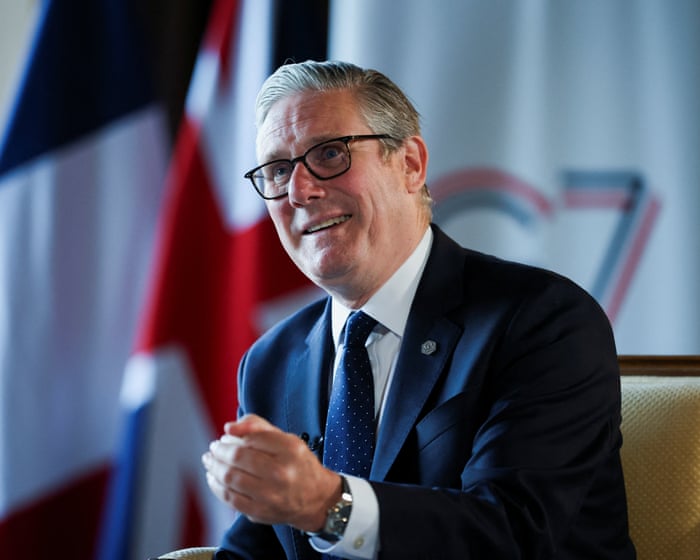
The UK and the European Union should not waste time “looking backwards” to Brexit, Keir Starmer said on Wednesday, as he comes under pressure to reconsider rejoining the EU.
The prime minister reaffirmed his government’s manifesto commitment to not re-enter the bloc, but said there had been “real progress” with the relationship, which was “slowly but surely building”.
Starmer’s potential leadership rival Andy Burnham said last September he would like to see the UK rejoin the EU in his lifetime.
Wes Streeting, the former health secretary and another likely leadership contender, said in a speech last month that he would like to see the UK back in the bloc and called for a “new special relationship” with the EU.
When asked by reporters at the G7 summit in Évian-les-Bains if he would express a similar desire to rejoin the bloc, Starmer said he remained committed to “a clear manifesto commitment in terms of not rejoining the EU”.
He added: “That’s why we’ve gone for the closer relationship that we’re building. We’re slowly but surely building with the EU.”
On Tuesday, Starmer confirmed that the UK and EU would hold a “reset” summit on 22 July.
The summit, which will take place in Brussels, has been delayed several times, with talks deadlocked over a youth mobility scheme allowing under-30s from each respective territory to work, travel or study in the other.
As a result, some had speculated the summit would be postponed until the autumn.
António Costa, the president of the European Council, said: “Close EU-UK cooperation is essential for our shared European security, resilience and prosperity. We are working closely together to make our upcoming second summit on 22 July a success.”
Starmer said he had been “very clear” that he wanted a closer relationship with the EU. Listing his G7 summit achievements, he said he had held a “very successful” bilateral meeting with Ursula von der Leyen, the president of the European Commission, and taken part in meetings with Volodymyr Zelenskyy and other European leaders over the future of Ukraine.
“One of the reasons that we’ve been able to make such good progress with the EU is, firstly, a joint recognition by myself and EU leaders that we shouldn’t spend the whole time looking backwards to Brexit and going over and over the Brexit vote,” he said. “We should look forward to what a relationship with the EU looks like.
“And the second [reason] is, we agreed that we wouldn’t do diplomacy by shouting into megaphones. We actually do it in a professional, quiet way, and we’ve made real progress with that.”
View original source — The Guardian ↗
Related stories

Euronews
PoliticsJun 8, 2026 · 1 min
Viktor Orbán returns to Brussels after election setback
Euronews
TASS
PoliticsJun 8, 2026 · 1 min
Several EU countries want to resume dialogue with Russia in OSCE — Russian envoy
TASS
ABC News
PoliticsJun 4, 2026 · 1 min
One Nation resurgence feels like 'recurring nightmare' for former Qld premier
ABC News
Times of India
BusinessJun 8, 2026 · 1 min
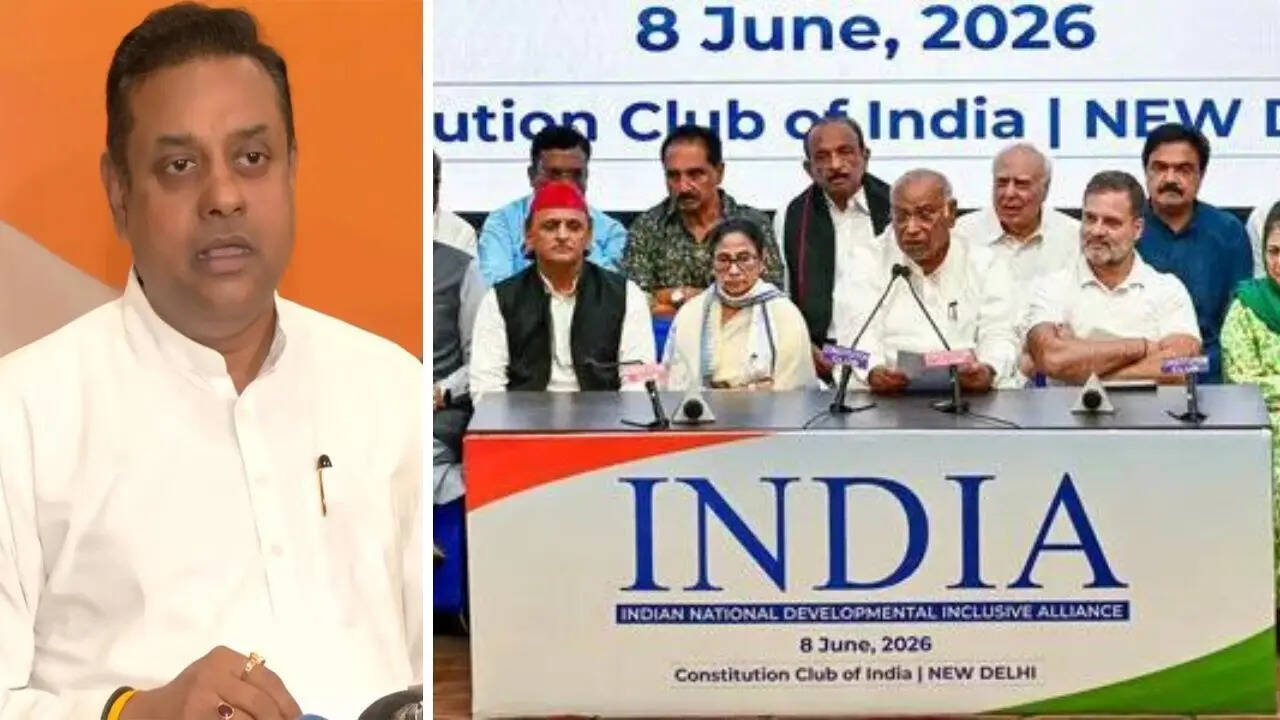
'Meetings may soon be held in a car': BJP mocks shrinking INDIA bloc
Times of India