Indian Express
How Trump walked back months of war claims to seal 14-point Iran deal
Now that the deal between Iran and the US is signed, with 14 crucial points as terms of the agreement, American President Donald Trump appeared to have drifted from a few of his earlier claims and statements regarding the US’s demands for the truce to be reached. Whether it’s the US’s demand for restrictions on ballistic missiles or defending the war, Trump’s statements and the key mutually agreed points from the deal in effect show that the US decided to settle for terms that are contrary to the initial demands.
The first and most striking deviation from the US’s earlier position is that Trump has now said it is “unfair” for Iran to not have a small number of ballistic missiles, Al Jazeera reported.
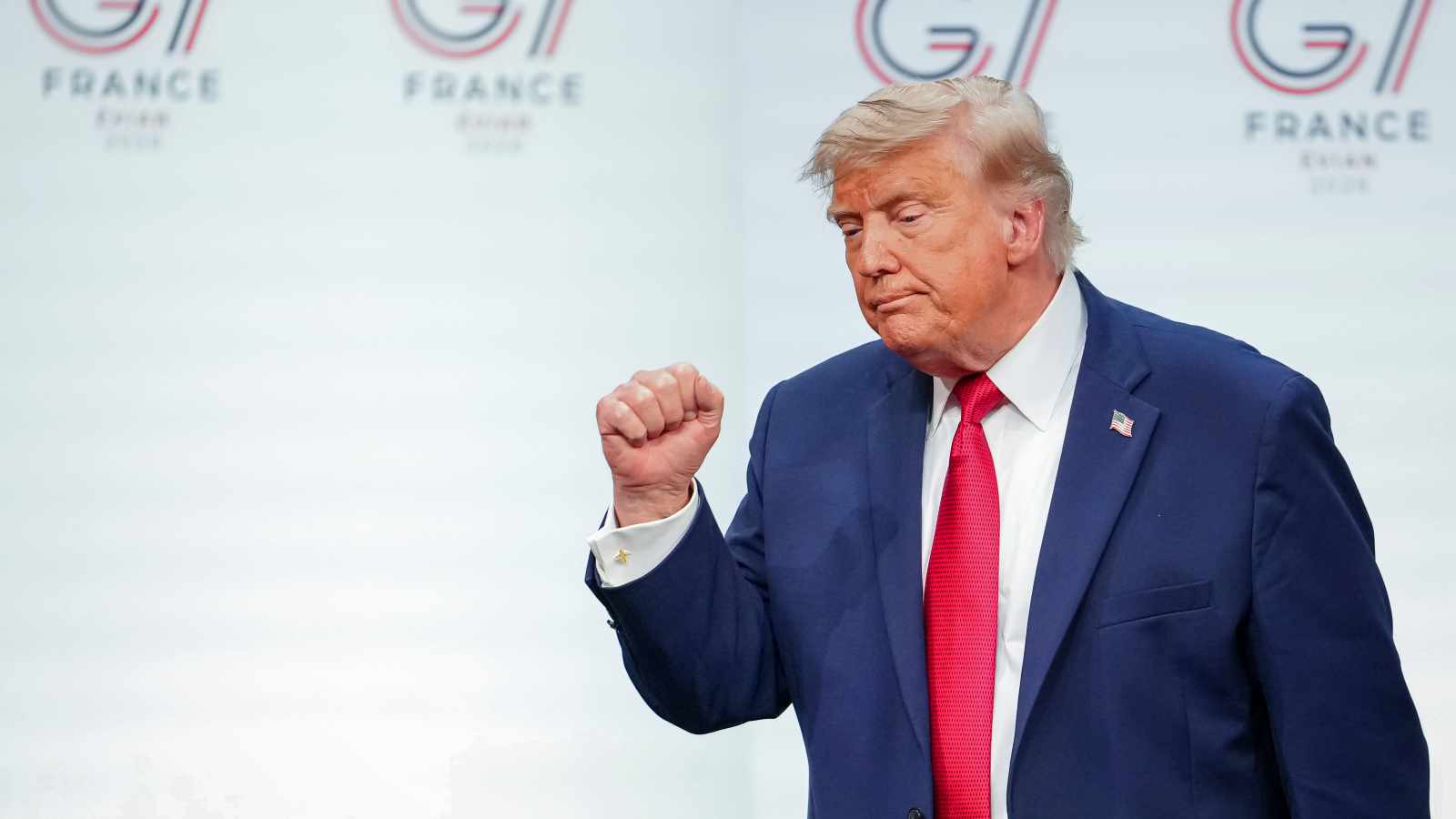
Defending the signed memorandum, he said, “If other countries have them, it’s a little bit unfair for them not to have some,” Trump said at a presser on the sidelines of the G7 summit in France. “If Saudi Arabia and Qatar, and they all have some, I would say that in relative proportion, I think it’s okay” for Iran to possess them as well. “Missiles aren’t the problem… They hurt a little location, but they don’t blow up the planet (like nuclear weapons do),” Trump added.
However, before the US and Israel struck Iran on February 28, the US had demanded additional restrictions on Tehran’s nuclear programme, including a halt in its ballistic missiles programme and withdrawing its support for the Houthis, especially in Lebanon, Yemen, and Iraq, according to Al Jazeera.
This demand could be triggered partly by the several breaches in Israel’s ‘Iron Dome’ defence system by Iran’s missiles in June last year. While Israel appeared to have felt alarmed, Trump had claimed Iran was producing these long-range missiles, in high numbers, which could “overwhelm the Iron Dome”.
The de-prioritisation of the issue marks a clear shift from US’s earlier stand, even though Trump has clarified that the same would be discussed in the negotiations ahead for the final deal.
# On enriched uranium
The US also downplayed its earlier demand on enriched uranium in its Memorandum of Understanding, which does not state any requirement for Iran to hand over the stockpile of the radioactive metallic element, which could be used to create 11 nuclear bombs.
Story continues below this ad
Even as the MoU states that Iran would not procure or produce a nuclear weapon, what is unclear is the method to manage this material.
The deal states that both countries have agreed to address the issue through a mechanism to be negotiated over the coming two months, “with the minimum methodology to be down-blending on site under the supervision of the IAEA.”
Trump underplayed the necessity of obtaining Iran’s uranium stockpiles, saying that it’s inaccessible to Tehran anyway. He said the nuclear dust is buried deep beneath the rubble after the US bombed three nuclear sites last year, and only China and the US have the necessary equipment to reach it.
# On Iran’s nuclear capabilities
Even as Trump claimed that Iran’s nuclear capabilities had been “obliterated” in the strikes on three sites in June last year, a large part of the highly enriched uranium is believed to have survived. This remained the biggest US concern amid the ceasefire negotiations. The US-led campaign surely resulted in the degradation of Iran’s conventional military capabilities, the conflict could not fundamentally alter Iran’s nuclear capabilities. US intelligence assessments continued to suggest that Iran could potentially build a nuclear weapon in less than a year if it chose to do so. Tehran, meanwhile, maintained that its nuclear programme is peaceful.
# US’s $300 billion payout to Iran
Story continues below this ad
The current peace deal said the US, along with its regional partners, has undertaken an Iran rebuild plan which would incur at least $300 billion. The procedure of the same would be finalised as the negotiations proceed for the final deal in the next 60 days.
Trump had rejected having any such term in the agreement when the contents of a draft deal were reported earlier.
As the US and Iran refrained from releasing the text of the peace deal they agreed upon last Sunday (June 14), a draft peace deal reported by Financial Times mentioned that the US administration would be funding a $300 billion plan for the reconstruction and development of the war-ravaged Iran. Trump rejected the report, calling it “Fake News” propagated by the “Dumocrats”.
# On continuing the war
After spending a huge amount on the war defending the military actions on Iran, Trump said more bombing would have economically drained the US. “If we didn’t do this deal, we could have dropped more bombs for another three weeks, two to four weeks, [but] you would never have the Hormuz Strait open, the market would have… gone down to levels that nobody ever saw before,” The Times of Israel quoted Trump as saying, arguing that he helped averting an “economic catastrophe”. “If we keep bombing… You’re talking about $500, $600, $700 million a day. It’s a lot of money,” Trump added.
Story continues below this ad
However, almost in the same breath, Trump also threatened to resume bombing if Iran doesn’t comply with the memorandum signed.
While Trump maintained that additional strikes would have caused major harm to both civilians in Iran and the global economy, he still went on to threaten to resume the bombing if Tehran does not comply with the MOU.
# On Iran’s Supreme Leader
After the assassination of former Supreme Leader of Iran Ayatollah Ali Khamenei, Trump had claimed that any individual selected for the top post in Iran has to be approved by the US. Speaking to ABC News, “If he doesn’t get approval from us, he’s not going to last long.” Soon after, Iran’s Assembly of Experts named Khamenei’s son Mojtaba as his successor.
And now the US has agreed to a deal which states that both the US and Iran would refrain from interfering in each other’s internal matters. They would maintain this as both countries undertake to respect each other’s sovereignty and territorial integrity.
# On sanctions being lifted on Iranian oil
Story continues below this ad
The MoU stated that all sanctions on exports of Iranian crude oil, petroleum products and other related items will be lifted. This is contrary to the US’s repeated insistence that sanctions would only be scrapped after Iran provides concessions in the follow-up nuclear talks.
Trump also faced questions regarding the up-front sanctions relief that the US has agreed to provide Iran after repeatedly insisting that it would only do so after Iran makes concessions in the follow-up nuclear talks that start after the MoU.
The senior US official who read out the deal on Wednesday, however, said that Iran was able to sell its oil, regardless of the sanctions that prevailed, and was giving “a massive discount” to China. “Its not that significant in the scheme of things. They were able to anyway by opening the strait, so we thought that was actually a fair concession to give them, as it also helps bring down global oil prices,” The Times of Israel quoted the US official as saying.
# On the US having “won” the war in first hour
Story continues below this ad
The recent peace deal also comes in conflict with Trump’s March announcement that the US “won” the war but will remain in the fight till the finishing line, news agency Reuters reported
“You never like to say too early you won. We won,” Trump said at a rally in Hebron, Kentucky. “In the first hour it was over.” The first temporary ceasefire came in April 8, followed by several statements by Trump in the following weeks about nearing a deal. The ceasefire was violated with escalation in attacks and counterattacks between Israel, Iran and the US in the first week of June. Finally, a deal was struck on June 14 and formally signed on June 17.
— with inputs from Al Jazeera, The Times of Israel, Financial Times, ABC News and Reuters
View original source — Indian Express ↗
Related stories
Indian Express
PoliticsJun 18, 2026 · 1 min
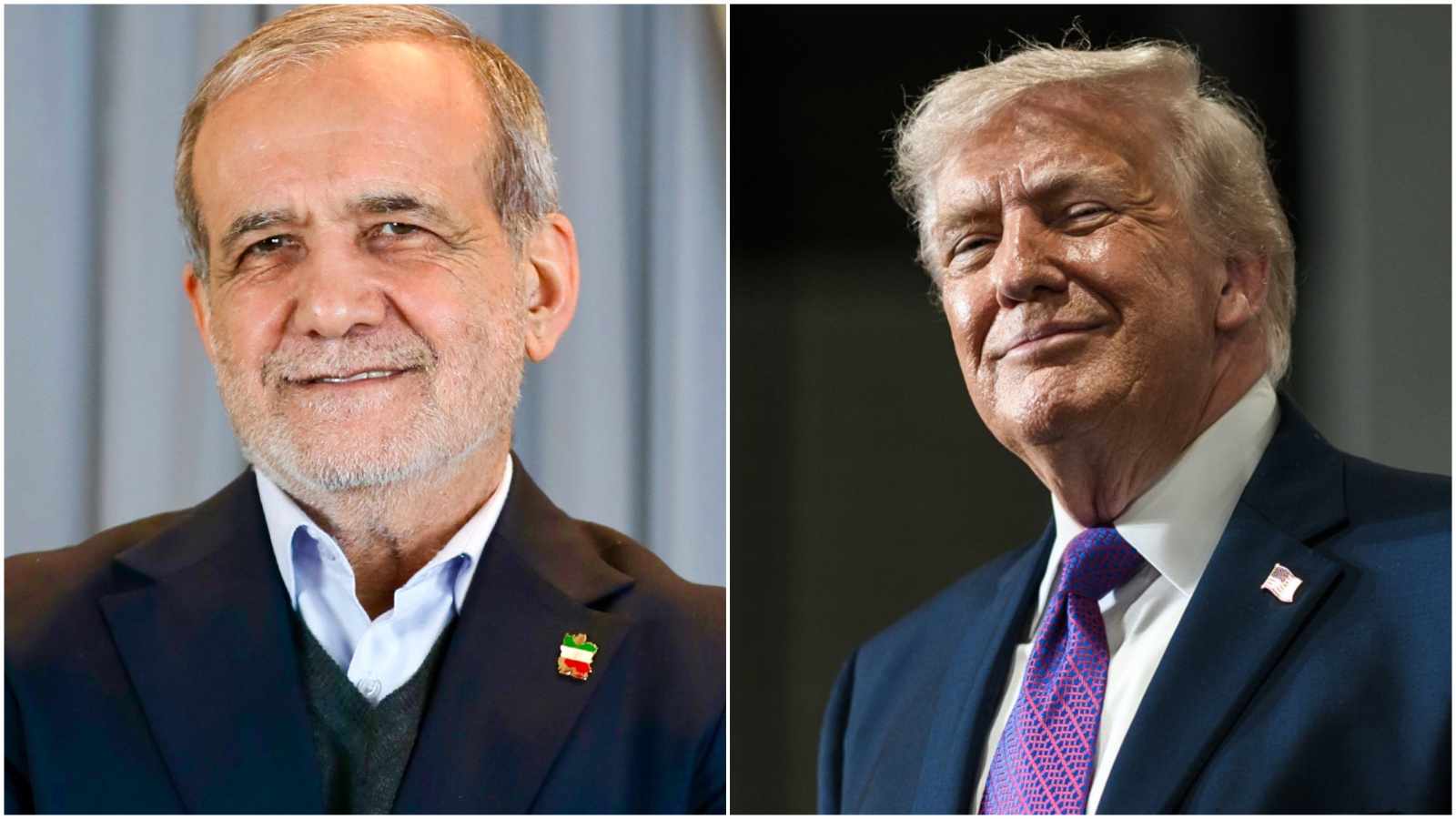
Trump, Pezeshkian sign 14-point Iran-US deal to stop war, reopen Hormuz
Indian Express

The Hill
PoliticsJun 17, 2026 · 1 min
Read: 14-point US-Iran agreement to end war, open Strait of Hormuz
The Hill
Sky News
PoliticsJun 17, 2026 · 1 min
Trump signs deal with Iran aimed at ending war - read the 14 points agreed
Sky News

The Punch
PoliticsJun 18, 2026 · 1 min
14-point US-Iran deal to end war
The Punch