Indian Express
Imran Khan says parents hesitate to trust him as a single dad; expert weighs in
4 min readNew DelhiJun 18, 2026 07:00 PM IST
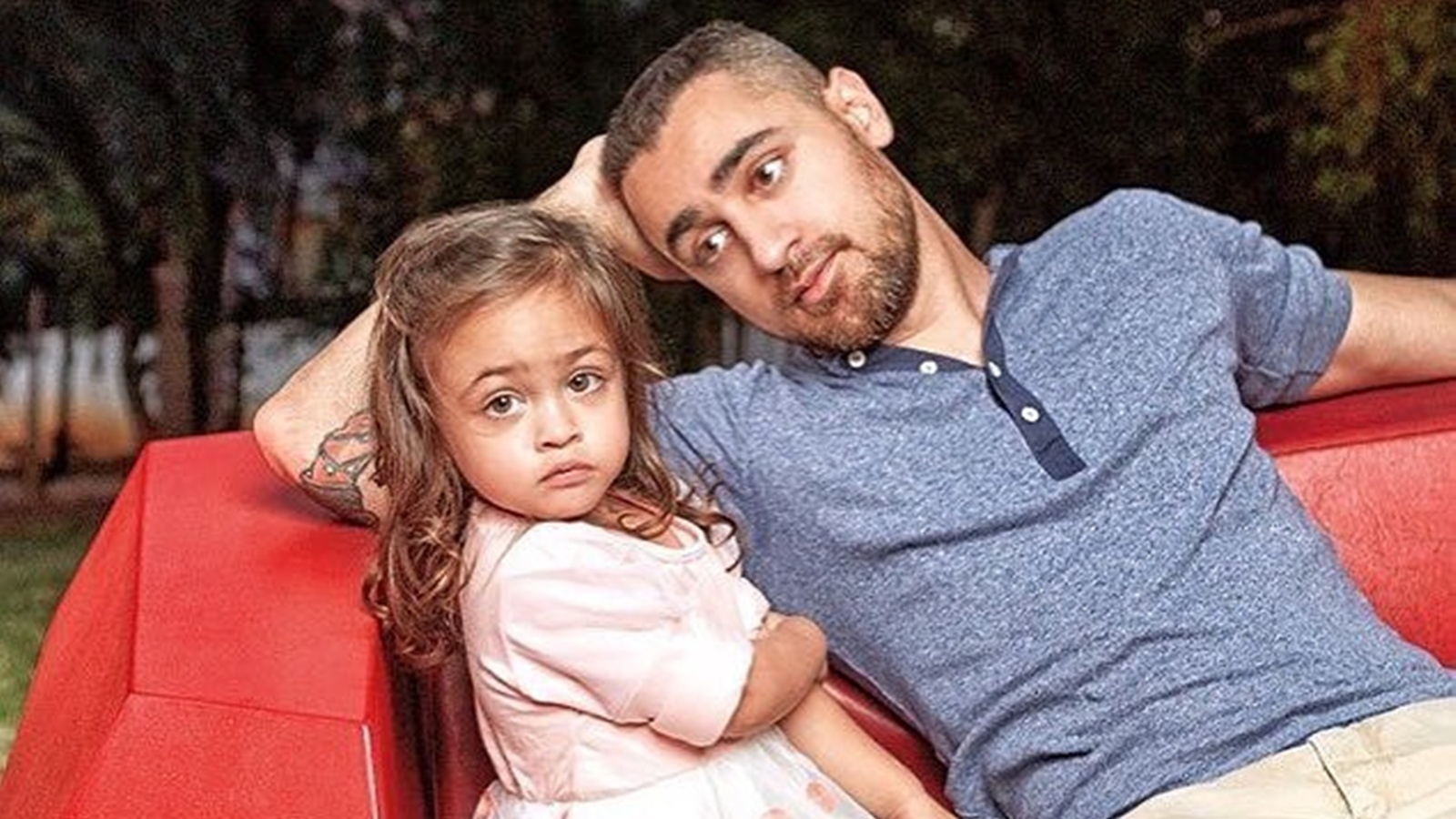
Imran Khan speaks about challenges of single fatherhood (Source: Instagram/Imran Khan)
Conversations around parenting often focus heavily on mothers, but the emotional and social realities faced by single fathers are rarely discussed openly. Actor Imran Khan recently shed light on this lesser-spoken aspect while talking about co-parenting his daughter Imara with ex-wife Avantika Malik. Appearing on Parineeti Chopra’s show Mom Talks, Imran spoke about the challenges he encounters while trying to create a normal social life for his daughter during the days she stays with him.
Sharing one such experience, Imran said, “I would try to make plans. And Imara would ask me, ‘Can you ask this friend if they can come over to play?’ So I would find the number and message one mom: ‘Can so-and-so come over to play?’ And they would say, ‘Sorry, not today.’ Next week again: ‘Hi, can we do it?’, they are like, ‘No, not today’.” Over time, he realised there may be deeper discomfort at play. “So I started to notice that some moms were maybe not so comfortable sending their child, particularly if it’s a girl, to a house where a single man is living. I’m a man, and I’m the father, but since I’m divorced now, there is no woman at home.”
DISCLAIMER: This article is based on information from the public domain and/or the experts we spoke to.
Imran also acknowledged why some parents may think that way, saying, “So, look, we also live in a world where there are enough problematic men. You can kind of understand where this thinking comes from.” At the same time, he admitted the emotional toll it took on him and his daughter. “It was heartbreaking because week after week I had to tell my daughter, ‘Sorry, your friend can’t come’,” he shared.
The actor further reflected on how support systems often differ for single mothers and single fathers. According to him, “a single father doesn’t have that, which is also part of the unfortunate nature of male relationships”. He added that many men grow up internalising a restrictive version of masculinity: “men are strong, men are not like that. So within that, some of these more vulnerable parts of yourself maybe don’t get addressed, where a woman will have two or three girlfriends who respond emotionally and support you there”.
But why do single fathers face greater social hesitation or suspicion in parenting spaces?
Counselling psychologist Athul Raj tells indianexpress.com, “Single fathers often enter parenting spaces already aware that they are being looked at differently. In India, especially, caregiving is still emotionally associated with mothers, so when a father becomes the primary parent, people do not always respond with ease. There can be hesitation, distance, or an unspoken suspicion that is difficult to explain but very easy to sense.”
He adds that most fathers will not openly admit how emotionally exhausting that becomes over time. Many start overthinking ordinary interactions, worrying about how they are perceived, or quietly withdrawing from social situations altogether. “Children absorb this atmosphere very quickly. They notice when invitations stop coming or when friendships remain limited to school. Many begin wondering whether their family is somehow less accepted than others. That feeling can quietly affect confidence, belonging, and even the way children see themselves socially,” shares Raj.
Story continues below this ad
How can divorced or single parents help children navigate repeated social rejection?
“Children do not need adults to pretend rejection does not hurt,” stresses Raj, adding that they need adults who can help them process disappointment without shame. If a child repeatedly experiences exclusion, parents should acknowledge the hurt instead of immediately dismissing it or covering it up with forced positivity.
He mentions that what matters more is creating other spaces where the child feels included and emotionally safe. Sometimes, one dependable friendship, a close cousin, a sports group, or even a strong connection at home can protect a child’s sense of self far more than multiple social invitations ever can.
DISCLAIMER: This article is based on information from the public domain and/or the experts we spoke to.
View original source — Indian Express ↗
Related stories

Times of India
SportsJun 8, 2026 · 1 min
‘A bit superstitious’: Why Manav Suthar's parents couldn't watch his India debut
Times of India
Indian Express
NewsJun 3, 2026 · 1 min
Vicky Kaushal opens up about the hardest part of fatherhood: ‘My heart sank’
Indian Express

The New York Times
TechnologyJun 17, 2026 · 1 min
Mental Health Can Complicate Family Planning
The New York Times

Indian Express
EntertainmentJun 9, 2026 · 1 min
‘Married simple men with no money’: Neelima Azeem opens up about marital choices; expert weighs in
Indian Express