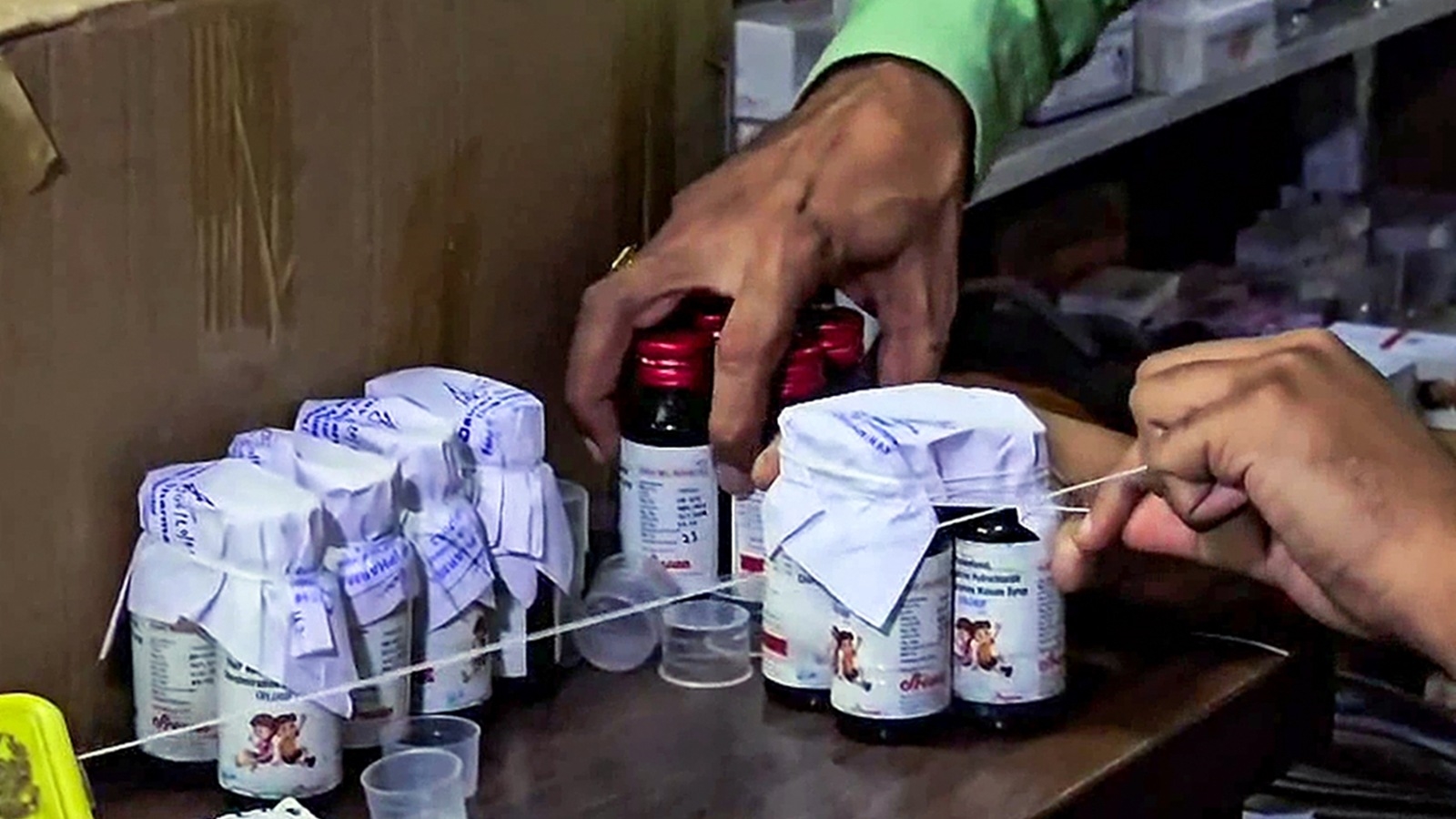
Indian Express
Over 2,000 cough syrup makers: Can regulators ensure their safety?
Cough syrups are among the most widely manufactured and consumed medicines in India, making robust regulation of the market essential. In May alone, sales touched at least 8.47 lakh units worth Rs 6,670 crore, according to Pharmarack. Yet the sector has repeatedly come under scrutiny after contaminated cough syrups were linked to the deaths of children in India and abroad. The Union health ministry has since tightened rules, restricting sales to licensed chemist stores and making doctors’ prescription mandatory.
With more than 2,000 manufacturers producing cough syrups across the country, experts say sustained regulatory oversight, rigorous quality testing and stricter enforcement are critical to safeguarding public health.
“Cough syrup manufacturers are like halwais — they are everywhere. This is the reason it is very difficult to maintain the quality of the products. While bigger companies may implement good manufacturing practices and ensure sterile water and an environment, it is not true for most manufacturers,” said an industry expert, who did not wish to be named.
This is a cause for concern, considering the apex drug regulator did not have on its records the Tamil Nadu-based firm whose cough syrup was implicated in the deaths of at least 22 children in Madhya Pradesh last year. After the incident, the drug regulator admitted that the company was not on its records and that the state had never shared information about them with the Central Drugs Standard Control Organisation (CDSCO).
Massive inspection drive
Following the incident, the apex regulator reached out to all states to gather data on all cough syrup manufacturers across the country and then carry out a risk-based inspection — inspection of the premises of a manufacturing unit that has been repeatedly flagged for drugs that are not of quality.
The CDSCO, along with state regulators, has inspected the premises of 960 companies since last year, based on which 860 actions were taken, including issuance of showcause notices, stop production order, suspension, cancellation of licences /product licences, warning letters. Around 1,100 manufacturers have been subjected to intense audit since.
Where are manufacturing units located?
Some of the most common brands of cough syrups sold in India are Cipla’s Corex, Glenmark’s Ascoril, Centaur’s Sinarest, Dr Reddy’s Zedex and Johnson and Johnson’s Benadryl among others.
Manufacturing units of the companies making the most common cough products — by sale and by volume — are largely clustered in states such as Maharashtra, Himachal Pradesh, Sikkim, Gujarat, Madhya Pradesh, and Goa.
What are regulatory challenges?
While the current move by the Centre is likely to have limited impact, experts say that ensuring availability of quality raw materials — even to the smaller companies — is likely to reduce instances of contamination. “The 2,000 manufacturers of cough syrup are not the problem; the fragmented regulatory ecosystem in India is the problem. India today has effectively 37 regulators, one per state/UT and the national regulator — the CDSCO. There is no consolidated database containing accurate information from all these 37 regulators, despite India being a single market for all practical purposes with drugs being able to cross state borders as easily as any other commodity,” says public health activist Dinesh Thakur.
So, a drug manufactured in West Bengal can be sold in Karnataka, but the Karnataka Drug Controller cannot inspect the plant in West Bengal or cancel its manufacturing licence if it sells substandard drugs in Karnataka. “At most the Karnataka Drug Controller can launch a criminal prosecution, and that can take a lot of time in Indian courts and even if there is enough evidence, the courts tend to be very lenient. It is this fragmented regulatory framework that is the problem,” adds Thakur.
Why do toxic contaminants continue to enter the pharmaceutical supply chain?
Pharmaceutical companies have not been testing their ingredients, especially propylene glycol that they use to manufacture cough syrups. “This is a brazen violation of the GMP (good manufacturing practices) code. Given the lax nature of regulation in India, most of these companies know they can escape punitive consequences,” says Thakur.
He argues for a consolidated database of licensing, inspection, marketing information across states and the Centre to ensure a single source of truth of all regulatory information. “Not just for regulatory purposes but also procurement purposes by both the public and private sector,” adds Thakur.
He believes the industry’s argument that propylene glycol (solvent used in cough syrups) has to be regulated doesn’t hold. “No other country regulates raw materials. It is the responsibility of the pharma company, as it is written in the law, to test their raw materials before using them. The cough syrup tragedies are only the tip of the iceberg. Cancer medication manufactured by Indian companies is contaminated in Colombia and Yemen. There are a huge number of complaints coming in from Nepal, Sri Lanka and many African countries. Poorly manufactured eye drops have made their way to the US. Then some doctors have discovered that their patients often do not react as expected to Indian manufactured drugs. The Indian industry’s reputation is taking a beating across the globe — at some point, when more trustworthy competitors emerge, it will be the end of the Indian pharma dream,” says Thakur.
(With inputs from Rinku Ghosh)
View original source — Indian Express ↗
Related stories
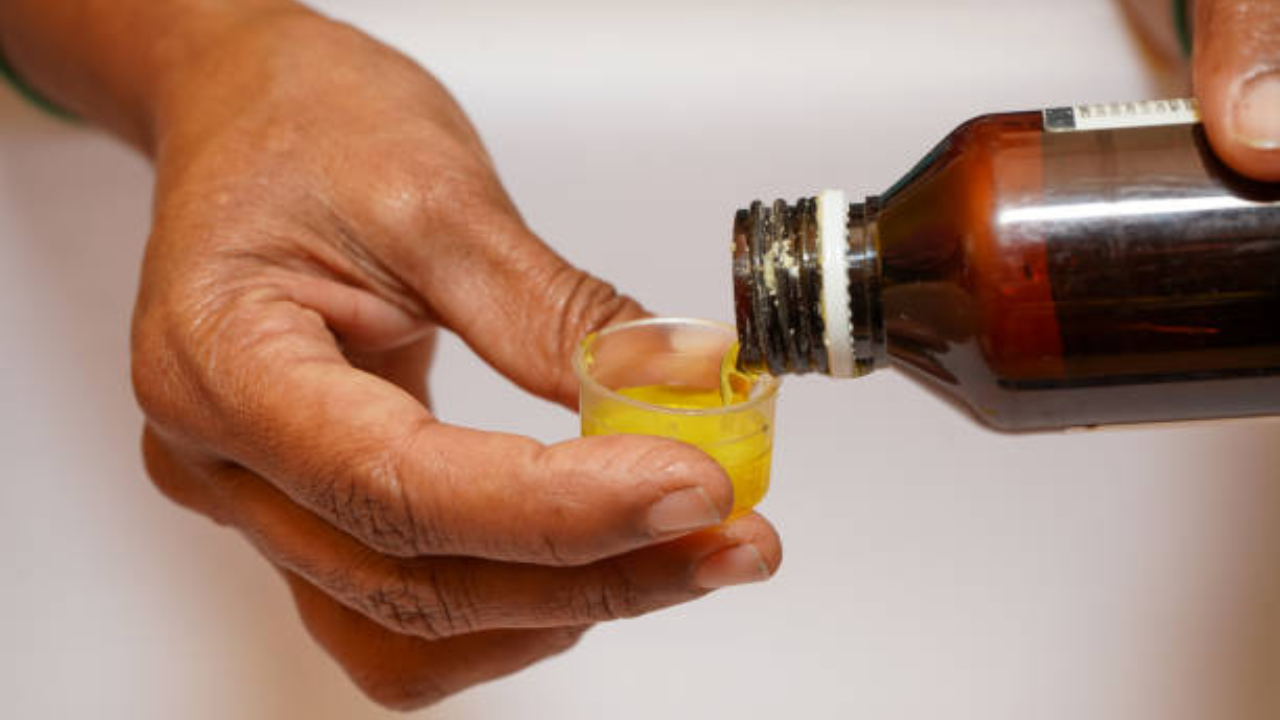
Times of India
NewsJun 16, 2026 · 1 min
‘This could save lives’: Doctors laud Centre's tough stance on cough syrups
Times of India
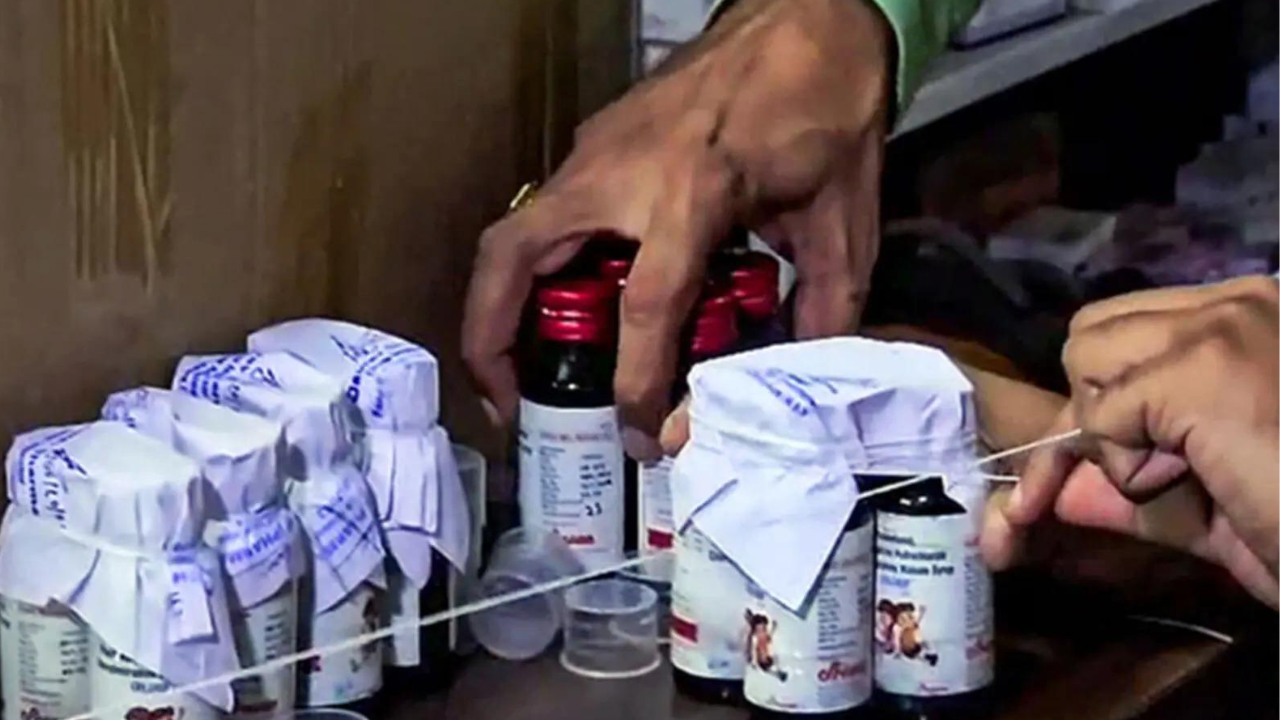
Times of India
NewsJun 16, 2026 · 1 min
Government: No cough syrup sale without prescription
Times of India

Indian Express
NewsJun 18, 2026 · 1 min
On cough syrups, a long overdue prescription
Indian Express
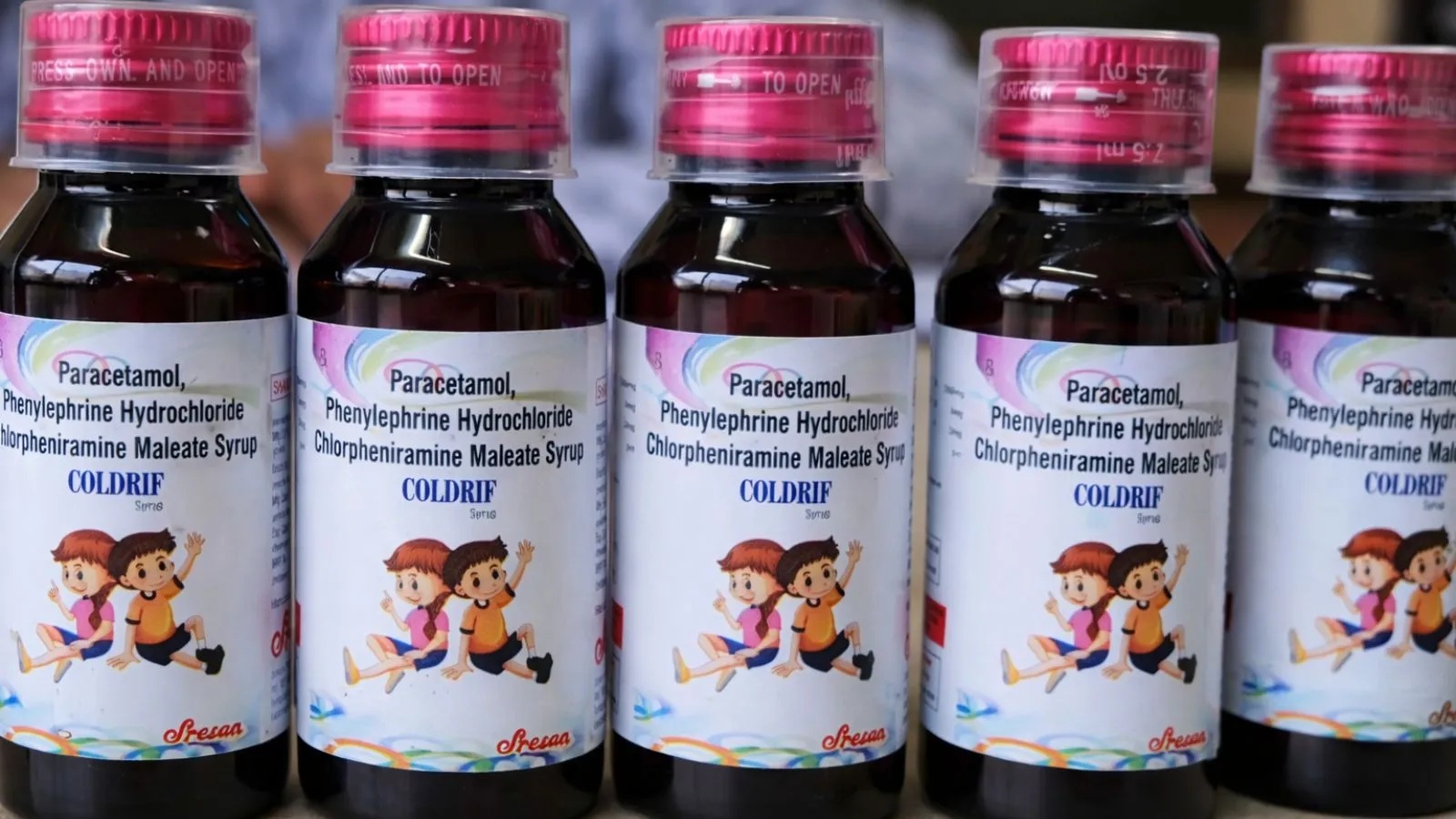
Indian Express
TechnologyJun 16, 2026 · 1 min
No prescription, no cough syrup: Health Ministry issues new rule
Indian Express