Indian Express
Indian Express··4 min read
Why stillbirths persist despite 96% institutional deliveries in Maharashtra: Study
Revati, a 30-year-old woman from Junnar in Pune district, experienced swelling of her limbs from the fifth month of pregnancy, though her vital signs remained normal. In the ninth month, she developed leaking of amniotic fluid, abdominal pain, and reduced fetal movements. On reaching a rural hospital, the doctor was unavailable, and a nurse assessed her, informing the family that the cervix was not dilated. The nurse later completed her duty and left without updating the family. The doctor arrived only later in the evening, by which time the labour pain had subsided. A subsequent visit led to a normal delivery conducted by the nurse and ward boy. However, the baby was stillborn. Revati believes that if the doctor had been present earlier, her baby might have survived.
Neeta, a 41-year-old woman with chronic hypertension, developed fever during the ninth month of pregnancy. She also reported decreased and weak foetal movements and was taken to a public health facility in Bhor in Pune district, where the doctor reassured the family that the foetus was normal. However, her fever persisted, and foetal movements ceased completely. The family then sought care at a private hospital, where fetal heart sounds were absent on examination and an ultrasound confirmed intrauterine death. Labour was induced, and a lower segment caesarean section was performed four days later. The case highlights that there was no counselling provided regarding her high-risk pregnancy status.
These are just two instances recorded by an ongoing Pune study that suggests preventable stillbirths continue to occur. “The challenge is no longer access to care but the quality of care,” Dr Rutuja Patil, lead investigator of the study from the Community Health Research Unit (CHRU), KEM Hospital Research Centre, Pune, has said.
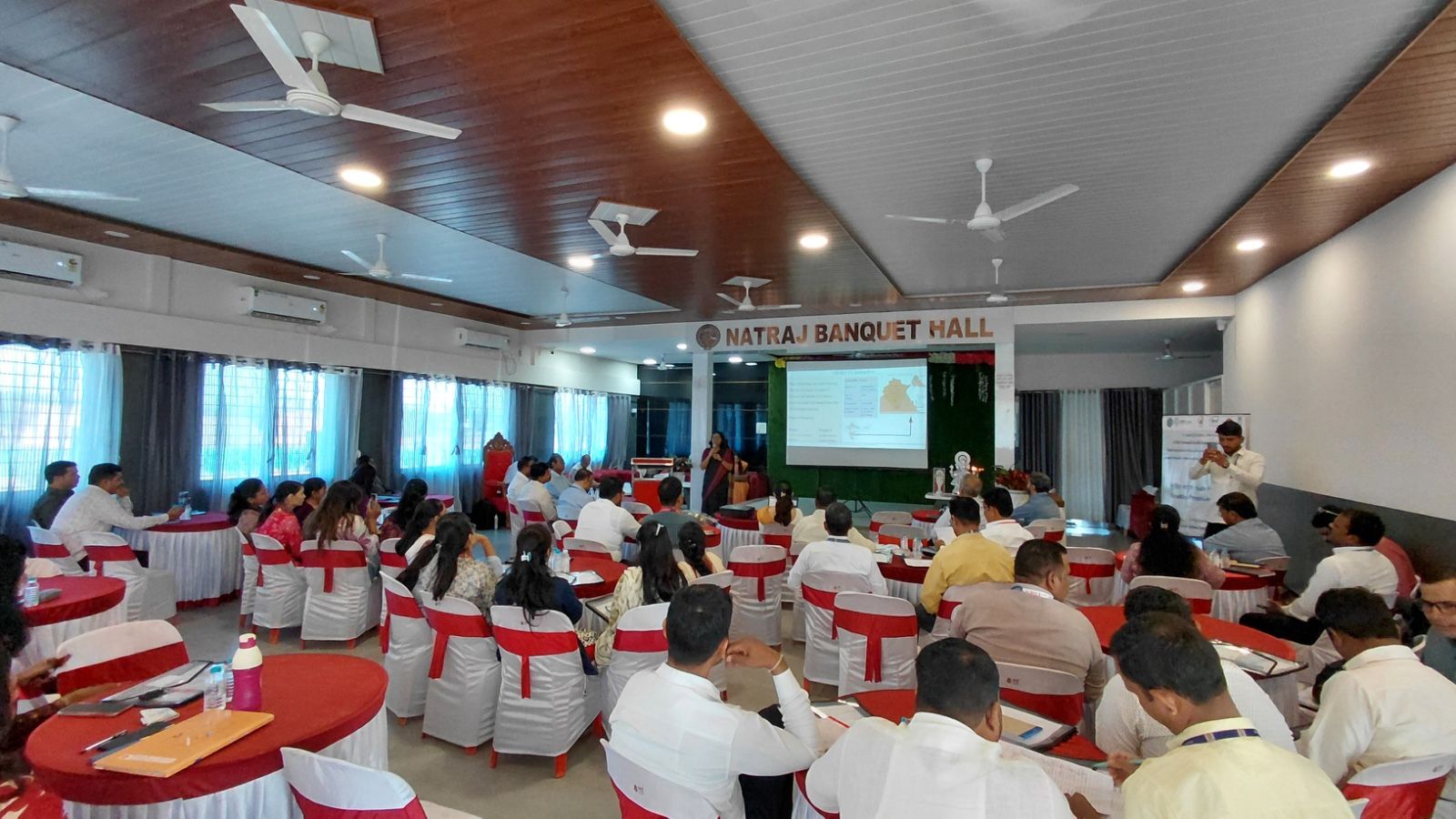
Researchers will be presenting the findings of their SHRiSTI project (Strategies to Help in Optimal Pregnancy Outcomes and Reduce Stillbirths in India) to the Maharashtra Government soon.
SHRiSTI is part of a seven-site national implementation research initiative funded by the Indian Council of Medical Research (ICMR) under the National Health Research Priority (NHRP) Programme.
The KEM Hospital Research Centre (KEMHRC), Pune, through its CHRU at Manchar, is implementing the initiative. “Our research highlights a critical paradox: despite 96 per cent institutional delivery coverage, stillbirths continue to occur due to gaps in the quality of care rather than lack of access to health services,” Dr Girish Dayma, an investigator from CHRU, KEM Hospital Research Centre, said.
Pune stillbirth rate: 17.7 per 1000 live births
India records approximately 3.4 lakh stillbirths each year—the highest number of any country globally. In Maharashtra, 96 per cent of institutional deliveries have been registered, but stillbirths persist. For instance, in Pune district alone, as per NFHS-5 data, the stillbirth rate is 17.7 per 1000 live births. The accepted targeted benchmark is to reduce the stillbirth rate to single digits (fewer than 10 per 1000 births by 2030).
Story continues below this ad
The Pune study covered three rural blocks — Junnar, Ambegaon, and Khed — spread across over 500 villages with an estimated population of one million and approximately 18,000 annual births. A community survey covering 4,821 pregnancies found a stillbirth rate of 7.6 per 1,000 total births. The survey identified 4,497 births and 324 abortions; among the total births, 34 were stillbirths. Most deliveries occurred in facilities, with live births in private 2444 (55.1 per cent) and government 1968 (44.4 per cent) facilities, and minimal home deliveries 25 (0.6 per cent). Stillbirths largely occurred in private facilities, mostly referred from government facilities (22/34, 64.7 per cent), with 9 (26.5 per cent) in government facilities and 3 (8.8 per cent) in transit; none occurred at home.
Ambegaon tops the chart
Among the three study blocks, Ambegaon reported the highest burden. Verbal and social autopsies of 32 stillbirths (14 antepartum and 18 intrapartum) confirmed that many deaths were preventable and linked to modifiable risk factors. Researchers said that approximately 55 per cent of deliveries occurred in private health facilities, but these were not integrated with public health surveillance and feedback systems. This resulted in a major gap in monitoring and follow-up of pregnancies registered in the public health system, according to researchers.
‘Prevention doesn’t begin in labour room’
According to Dr Patil, preventing stillbirths does not begin in the labour room. “It begins much earlier with what we choose to prioritise, identify and act upon,” Dr Patil said. She stated that the ICMR SHRiSHTI implementation model was developed jointly with the State Health Systems Resource Centre (SHSRC), Health and Family Welfare Training Centre (HFWTC), IEC Bureau, and the District Health Office. “The model is integrated within existing health systems rather than operating as a parallel programme. The implementation was first initiated in Ambegaon as the learning block. The challenge is the quality, coordination, and accountability of care within the existing health system,” the researcher said.
SHRiSTI has generated the evidence, and what is needed is the state’s direction and formal endorsement to scale what works from three blocks in Pune to a district, a division, and ultimately to Maharashtra.
View original source — Indian Express ↗
Related stories

Indian Express
TechnologyJun 20, 2026 · 1 min
After losing three newborns, woman with rare blood disorder delivers healthy baby at JJ Hospital
Indian Express

AllAfrica
NewsJun 19, 2026 · 1 min
Malawi: Twelve Babies Born At Durban Migrant Camp Are Now On Buses to Malawi
AllAfrica
ABC News
TechnologyJun 16, 2026 · 1 min
Doctors warn care standards compromised as NT's busiest hospital ages
ABC News
ABC News
TechnologyJun 16, 2026 · 1 min
Two more SA hospitals pause birthing services amid staff shortage
ABC News