Times of Israel
Over 90% of first-time voters plan to cast ballots in upcoming election, poll finds
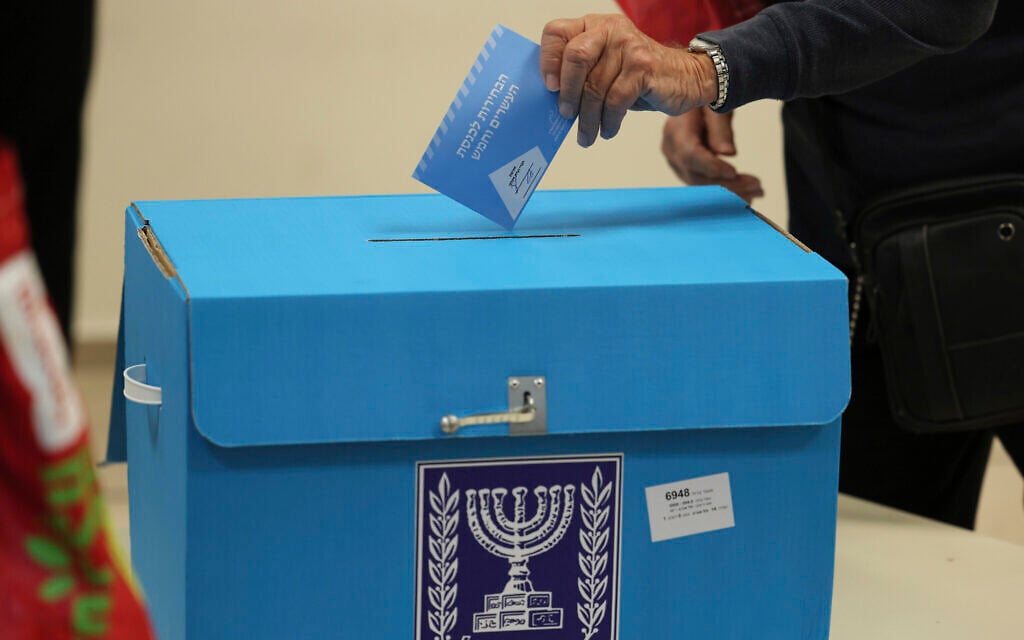
Over 90 percent of first-time voters intend to cast ballots in the election later this year, a poll published on Sunday found, indicating the importance of the vote to Israel’s young adult demographic.
The survey was conducted by the Israel Democracy Institute’s Education Policy for Democracy program with 576 respondents between the ages of 18 and 22, meaning that the upcoming election will be the first time they are old enough to vote.
Sixty-three percent of respondents told IDI that they definitely intend to vote in the election, which must be held no later than October 27, while an additional 28% said they think they will vote. Just four percent of respondents said they had made up their minds to not vote.
The results did not change significantly when separated into Jewish Israelis and Arab Israelis, with 63% of Jewish respondents and 62% of Arab respondents answering that they would definitely be voting. An additional 29% of Jewish Israelis and 25% of Arab Israelis said they thought they would vote.
The poll also examined voter breakdown by religious affiliation, dividing respondents into categories of secular, traditional nonreligious, traditional religious, religious, or ultra-Orthodox. Across all categories, between 80% and 95% of people said they would definitely vote or were thinking of voting.
Get The Times of Israel's Daily Edition
by email and never miss our top stories
By signing up, you agree to the terms
Driving the high motivation to vote was the belief in the ability of the election to shape life in Israel going forward, as 82% of participants responded that voting could influence reality “to a fairly great extent” or “to a very great extent.”
Just 15% of first-time voters expressed belief that the election would impact Israel “to a fairly small extent” or “not at all,” while the remaining three percent said they didn’t know.
Optimism about the impact that voting can have was higher among Jewish Israelis (85%) than among Arab Israelis (75%).
According to IDI, the increased skepticism among Arab Israelis was tied to perceptions of limited influence and insufficient representation. Many of Israel’s larger political parties, both those currently in government and those in the opposition, have ruled out the inclusion of Arab parties in a future coalition, though some have Arab members on their slates.
Across all religious stripes, between 88% and 95% of respondents believed that voting could have a “fairly great” or “very great” impact on reality in Israel, with the exception of Haredi respondents, among whom just 63% answered in the affirmative.
According to IDI, pessimism among Jewish voters stemmed from distrust of the political system and a sense that political actors are insufficiently responsive.
First-time voters were also pessimistic about the state of democracy in Israel, with dissatisfaction running highest among Arab Israelis and ultra-Orthodox Jews. Seventy-eight percent of Arab Israeli respondents and 66% of Haredi respondents rated Israel’s democracy to be “poor” or “not so good.”
The highest rates of satisfaction with the state of Israeli democracy were found among traditional religious and religious Jews, 60% and 58% of whom responded that it was “excellent” or “fairly good.”
Despite the lack of faith in the democratic process, ultra-Orthodox young adults showed a higher interest in politics than their peers from other walks of life, with 77% of Haredi respondents expressing that they were “very interested” or “fairly interested” in politics.
The result was lowest among traditional nonreligious respondents, of whom 49% described themselves as “very” or “fairly” interested in politics. Sixty-five percent of both secular and religious Jews, and 56% of traditional religious Jews, answered the same way.
Among Arab voters, 53% expressed being “very” or “fairly” interested in politics, compared to 47% who were either “not very interested” or “not interested at all.”
View original source — Times of Israel ↗
Related stories
South China Morning Post
PoliticsJun 21, 2026 · 1 min
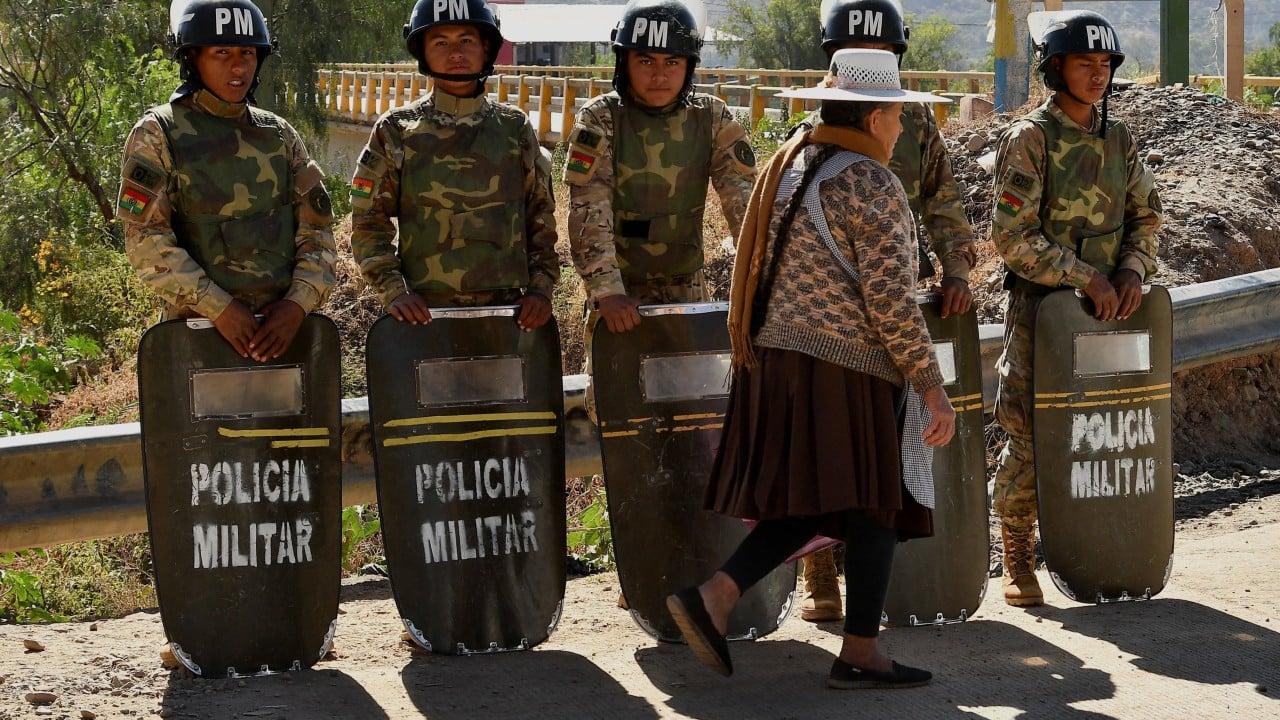
Bolivian lawmakers approve state of emergency as protests choke supply chain
South China Morning Post

The Hill
PoliticsJun 21, 2026 · 1 min
Profit for me, pollution for thee in Louisiana
The Hill

The Hill
PoliticsJun 21, 2026 · 1 min
Seasoned leadership could help Quantum Space’s IPO take off
The Hill

The Hill
PoliticsJun 21, 2026 · 1 min
Ingredient needed for pretty much all food just got way more expensive. Your grocery bill may soar too
The Hill